
Article Summary: Fiberglass exhaust wrap has become a crucial solution for automotive enthusiasts and industrial users seeking improved heat control, enhanced engine efficiency, and extended component lifespan. This comprehensive guide explores what fiberglass exhaust wrap is, how it works, its benefits, installation techniques, and why brands like J&W are trusted in the industry. Whether you're upgrading a performance vehicle or protecting engine components, this article will provide everything you need to know.
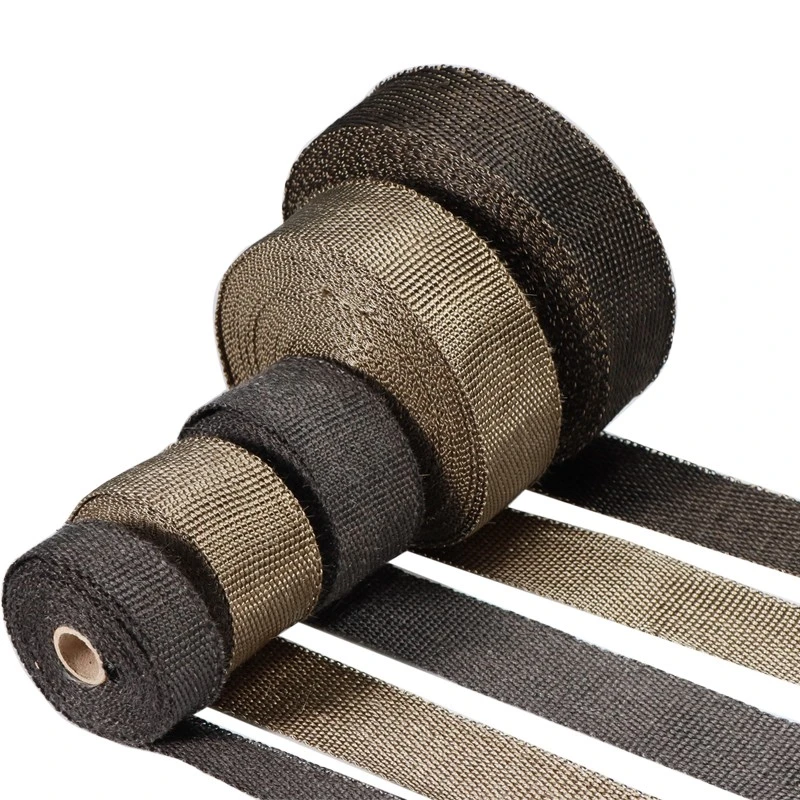
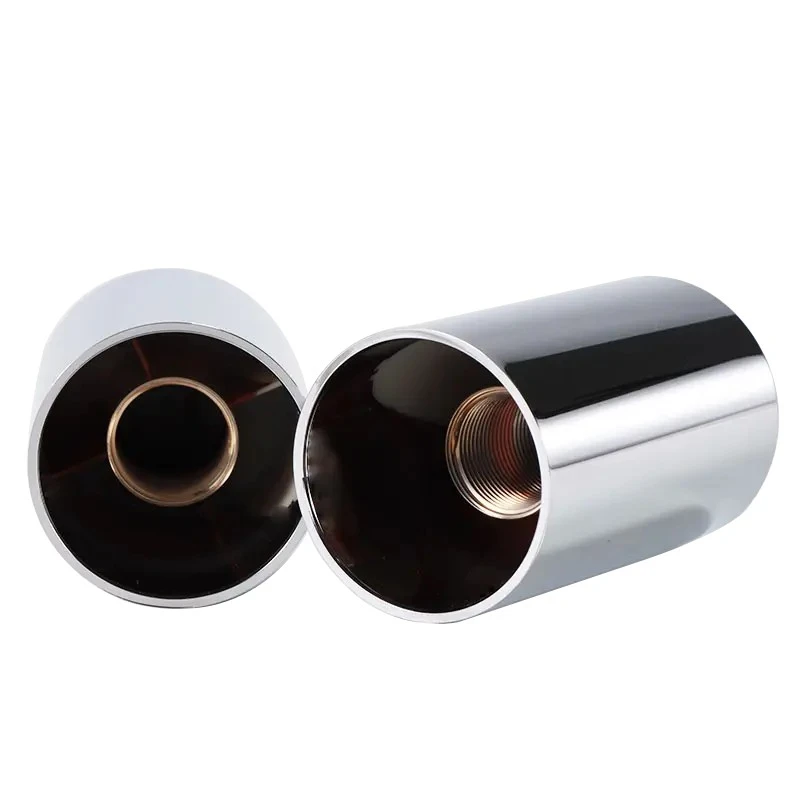
Fiberglass exhaust wrap is a high-temperature resistant material designed to insulate exhaust systems. Made from woven fiberglass fibers, it is wrapped around exhaust pipes, headers, and manifolds to reduce heat radiation and improve thermal efficiency.
This material can typically withstand temperatures up to 550°C (1022°F) continuously and even higher intermittently, making it ideal for automotive, motorcycle, and industrial applications.
Using fiberglass exhaust wrap offers numerous performance and safety advantages:
Fiberglass wrap significantly reduces under-hood temperatures, protecting nearby components such as wiring, hoses, and electronics.
By maintaining higher exhaust gas temperatures, the wrap increases gas velocity, improving engine efficiency and horsepower.
Lower surface temperatures reduce the risk of burns and fire hazards.
Heat-sensitive parts last longer when shielded from extreme temperatures.
Compared to ceramic coatings, fiberglass wrap is more affordable and easier to apply.
Fiberglass exhaust wrap is widely used across various industries:
| Material | Temperature Resistance | Durability | Cost | Best Use Case |
|---|---|---|---|---|
| Fiberglass | Up to 550°C | Moderate | Low | General automotive use |
| Basalt (Titanium Wrap) | Up to 800°C | High | Medium | High-performance vehicles |
| Ceramic Coating | Very High | Very High | High | Professional racing |
Proper installation is crucial for maximizing performance and durability.
Important Tips:
To extend the lifespan of fiberglass exhaust wrap:
Choosing the correct wrap depends on several factors:
For premium performance and reliability, consider products from J&W, known for consistent quality and durability in demanding environments.
Yes, by maintaining exhaust gas temperature, it improves flow efficiency, which can enhance engine performance.
It is safe when installed correctly with protective gear. Avoid direct contact with fibers during installation.
Typically 1–3 years depending on usage conditions and maintenance.
If moisture is trapped, it may accelerate corrosion. Proper installation and drying are essential.
Fiberglass wrap is more affordable and easier to apply, while ceramic coating offers longer-lasting protection.
Fiberglass exhaust wrap is an essential solution for anyone looking to improve heat management, enhance engine performance, and protect critical components. With its cost-effectiveness and ease of installation, it remains a popular choice across automotive and industrial sectors.
Choosing a reliable supplier is equally important. J&W offers high-quality fiberglass exhaust wrap solutions designed for durability, performance, and safety.
Looking to upgrade your exhaust system with premium fiberglass wrap solutions? Contact us today to learn more about our high-performance products and how we can support your specific needs. Our team at J&W is ready to help you achieve better efficiency, protection, and performance—contact us now!