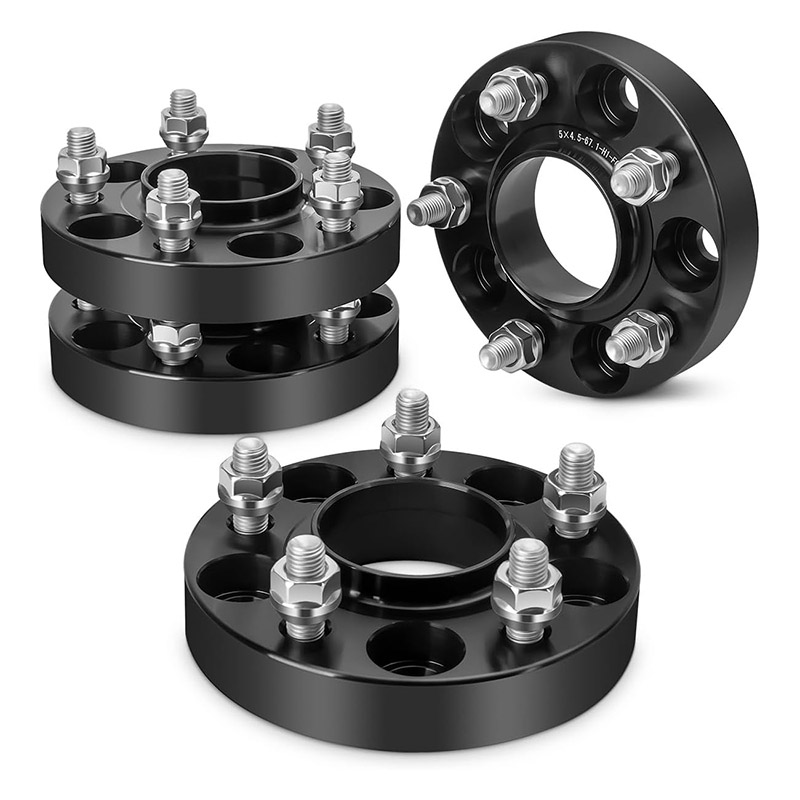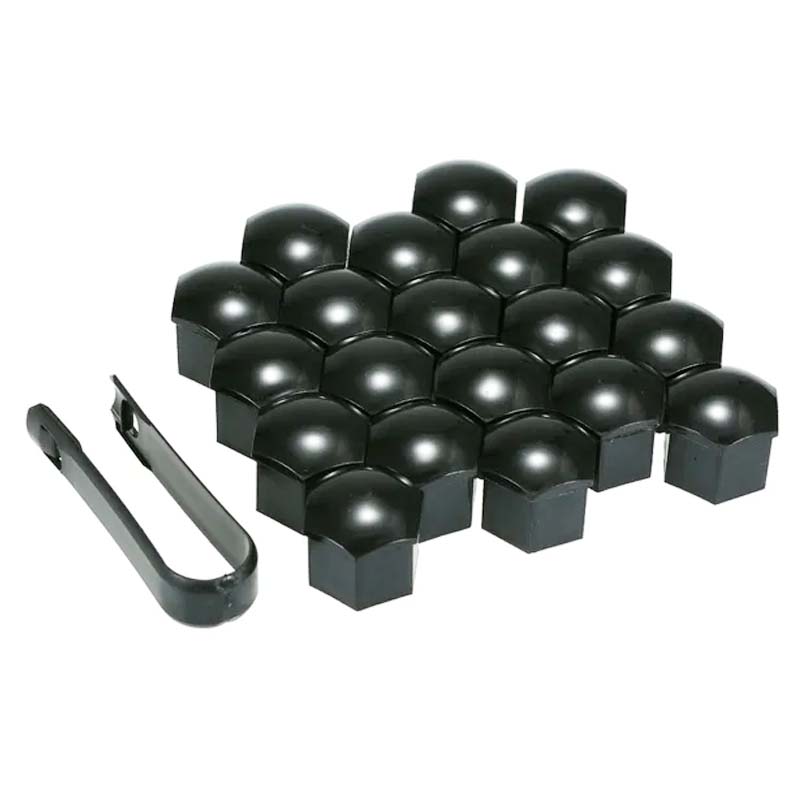

1/2-20 Wheel Lug Nuts are among the most common fasteners found on North American cars, trucks, trailers, and aftermarket wheels. Understanding their specifications, materials, and correct usage is critical for vehicle safety, wheel alignment, and long-term durability. Whether you are a professional mechanic, a DIY enthusiast, or a fleet manager, selecting high-quality lug nuts makes a measurable difference. Junwei, a brand built on two decades of manufacturing expertise, produces these lug nuts to precise tolerances, ensuring reliable clamping force and resistance to corrosion, vibration, and extreme temperatures.
The designation 1/2-20 follows the Unified Thread Standard (UTS) widely used in the United States and Canada. The first number, 1/2, denotes the nominal diameter of the stud or bolt in inches. This is the major diameter of the external thread, measuring half an inch. The second number, 20, is the thread pitch, meaning there are 20 threads per inch (TPI). This fine thread configuration provides several advantages for wheel applications:
It is essential not to confuse 1/2-20 with M12 x 1.5 or M12 x 1.25 metric threads. Using the wrong thread pitch will damage both the lug nut and the stud, potentially leading to wheel separation. Junwei marks all packaging clearly and provides thread identification charts to avoid such mistakes.
Every Junwei 1/2-20 wheel lug nut is manufactured to SAE and OEM-equivalent standards. Below is a detailed breakdown of the dimensional and mechanical properties that define our product line. These parameters apply across multiple styles, including acorn, bulge, spline drive, and open-end configurations.
The overall length, hex size, and seat diameter vary by type. The following table lists the most common Junwei 1/2-20 lug nut options we supply, with measurements taken from production samples. All values are in inches and millimeters.
| Style | Hex Size (in) | Overall Length (in) | Seat Type | Seat Diameter (in) | Typical Weight (oz) | Finish Options |
|---|---|---|---|---|---|---|
| Standard Acorn | 3/4 (19mm) | 1.40 | 60° Conical | 0.69 | 1.2 | Chrome, Black Zinc |
| Bulge Acorn | 3/4 (19mm) / 13/16 (21mm) | 1.55 | 60° Conical | 0.85 | 1.8 | Chrome, Black Phosphate |
| Spline Drive (Tuner) | 3/4 (19mm) with key | 1.65 | 60° Conical | 0.68 (shank base) | 1.5 | Chrome, Bronze, Black PVD |
| Open End (Extended Thread) | 13/16 (21mm) | 2.00 | 60° Conical / Flat with washer | 0.85 | 2.3 | Zinc Plated, Chrome |
| Flanged (Mag Seat) | 3/4 (19mm) | 1.10 | Flat face with nylon washer | N/A (washer 0.95 OD) | 1.0 | Chrome, Yellow Zinc |
Junwei 1/2-20 lug nuts are available in the three dominant seat types required by OEM and aftermarket wheels:
This fine-thread specification appears primarily on Ford, Lincoln, Mercury, and many aftermarket performance vehicles produced since the 1950s. The following list highlights typical applications:
Junwei’s catalog covers OEM replacement and performance upgrade options. If you are unsure about your stud thread size, use a thread pitch gauge or consult your vehicle owner’s manual. Never force a nut onto a stud; 1/2-20 will not thread onto an M12 stud, even if it appears close.
Proper installation directly affects wheel safety and lug nut service life. The following steps are recommended for all Junwei 1/2-20 wheel lug nuts:
With over 20 years in the automotive fastener industry, Junwei invests heavily in in-house testing capabilities. Every batch of 1/2-20 lug nuts undergoes the following quality checks:
This dedication has made Junwei a trusted supplier for wheel distributors, tire shops, and custom wheel builders across North America.
Many classic and modern Ford vehicles use 1/2-20 studs, including Mustangs, Rangers, F-150 two-wheel-drive trucks, and various Mercury and Lincoln models. This thread size is also extremely common on trailers, from lightweight boat trailers to heavy utility units, as well as aftermarket wheel applications where a fine thread offers improved holding power.
Typical torque specifications range from 85 to 100 foot-pounds for clean, dry threads. Always verify the exact specification for your vehicle and wheel type. Tightening beyond this range can stretch the stud beyond its elastic limit, while lower torque may lead to loosening. Junwei includes a torque guideline label with every box, and we recommend a quality beam or click-type torque wrench for final tightening.
No. M12 is a metric thread; common pitches include 1.5 and 1.25 mm. The diameter is 12 mm (approximately 0.472 inch), which is smaller than a true 0.500 inch 1/2-20 thread. Attempting to use a 1/2-20 nut on an M12 stud will cause cross-threading and damage both components. Always measure with a thread gauge before purchasing lug nuts.
Most aftermarket aluminum wheels use a 60-degree conical seat. However, some brands—particularly those with tuner-style wheels—require a smaller diameter conical seat or a spline drive design to fit narrow lug bores. If your wheels use a flat mounting surface with a separate washer, you likely need mag-style nuts with a flat face and nylon insert. Junwei provides detailed seat type diagrams on our product pages to help you choose correctly.
Yes. Open-end lug nuts are specifically designed for extended wheel studs, often found on racing vehicles or those with wheel spacers. Junwei’s open-end 1/2-20 nuts provide full thread engagement without bottoming out, and the extended shank allows for easy visual confirmation that the stud is fully through the nut.
Standard acorn nuts have a smaller conical seat and a smooth taper to a closed end, suited for wheels with modest lug hole diameters and standard clamping needs. Bulge acorn nuts feature an oversized seat area and a wider conical mating surface, which distributes load more effectively on wheels with larger lug holes or softer alloy materials. Junwei’s bulge acorn line uses a cold-forged base for increased seat strength.
Choose a nut with a high-quality corrosion-resistant finish. Junwei’s triple-layer chrome plating—copper, nickel, chromium—offers excellent rust protection for most climates. For coastal areas or winter road salt, black PVD or zinc flake coating provides superior durability. Regular cleaning and avoiding harsh wheel cleaners that contain acid also prolongs finish life. Never use impact tools directly on decorative caps, as this can crack the outer shell and expose the steel core to moisture.
It is acceptable to use an impact wrench to run the lug nuts snug but never to final torque. Junwei strongly recommends using a torque-limiting stick or switching to a hand torque wrench for the final tightening sequence. Over-torque from an impact gun can easily exceed 150 ft-lbs, which may stretch the stud and compromise the assembly.
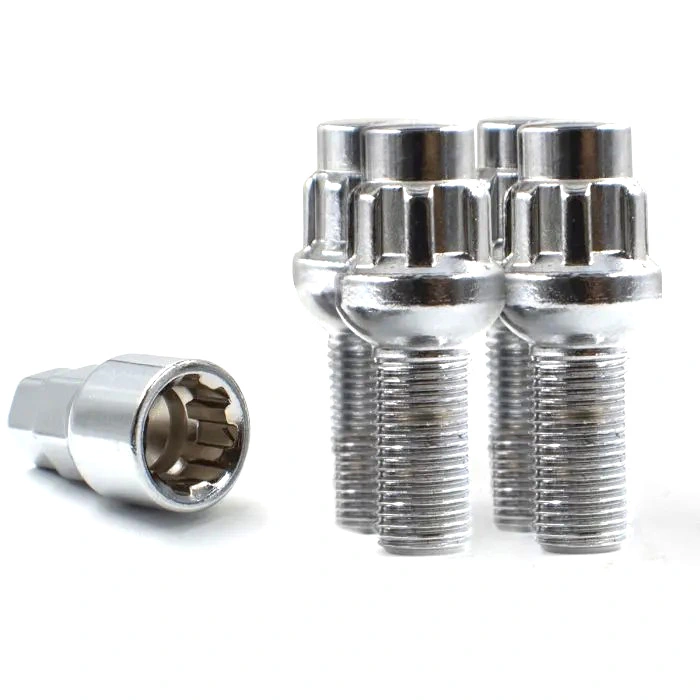
Yes. We supply many 1/2-20 kits with four or five wheel locks, each with a unique key pattern. Our locking nuts feature a hardened outer spinning collar to resist removal without the matched key. Each set carries its own key code, and replacement keys are available through Junwei’s customer service.
When stored in a dry, climate-controlled environment, our lug nuts retain their protective finish for many years. We recommend keeping them in the original sealed packaging until ready for installation. If any superficial white oxidation appears on stored zinc-plated nuts, it is cosmetic and can be wiped clean without affecting performance.
Inspect the lug nuts for tightness and any signs of corrosion during every tire rotation or seasonal wheel change. Clean the wheel hub and lug seats, and examine the threads for galling. Junwei recommends applying a very small amount of anti-seize on the center hub ring (not on threads) to prevent galvanic corrosion between steel nuts and aluminum wheels, but only if directed by the wheel maker.
Junwei remains committed to engineering, testing, and supplying precision 1/2-20 wheel lug nuts that exceed expectations. Our comprehensive inventory, rapid order fulfillment, and extensive technical support make us a preferred partner for automotive professionals and enthusiasts alike.