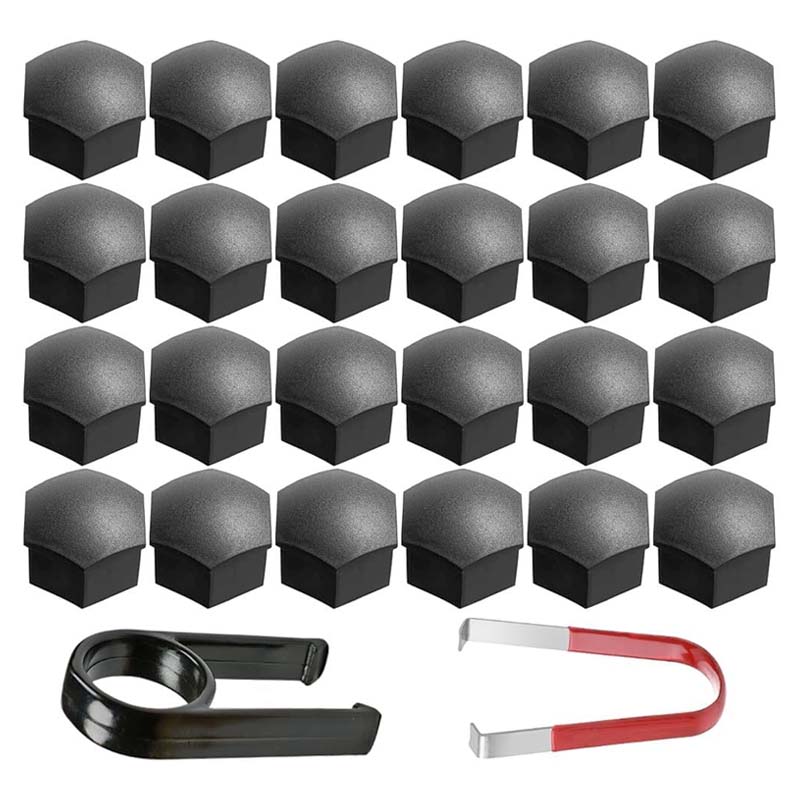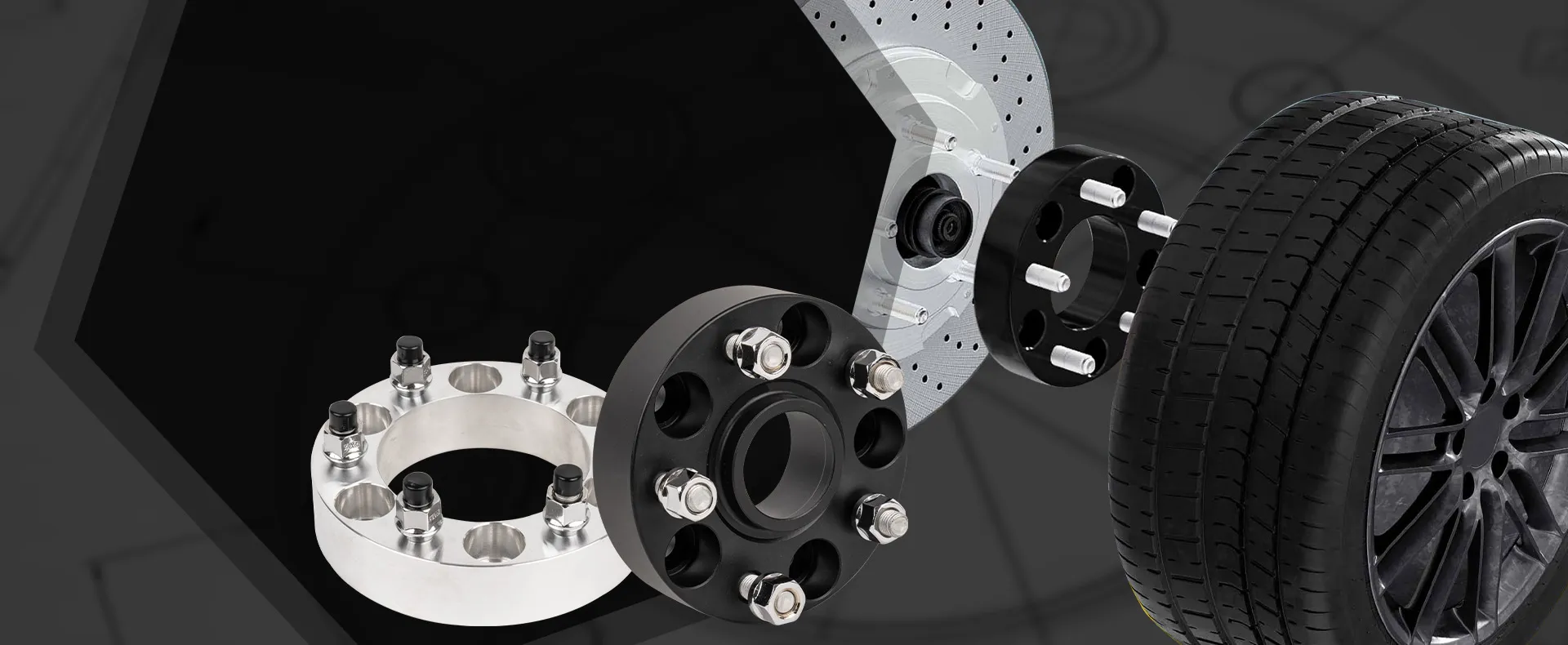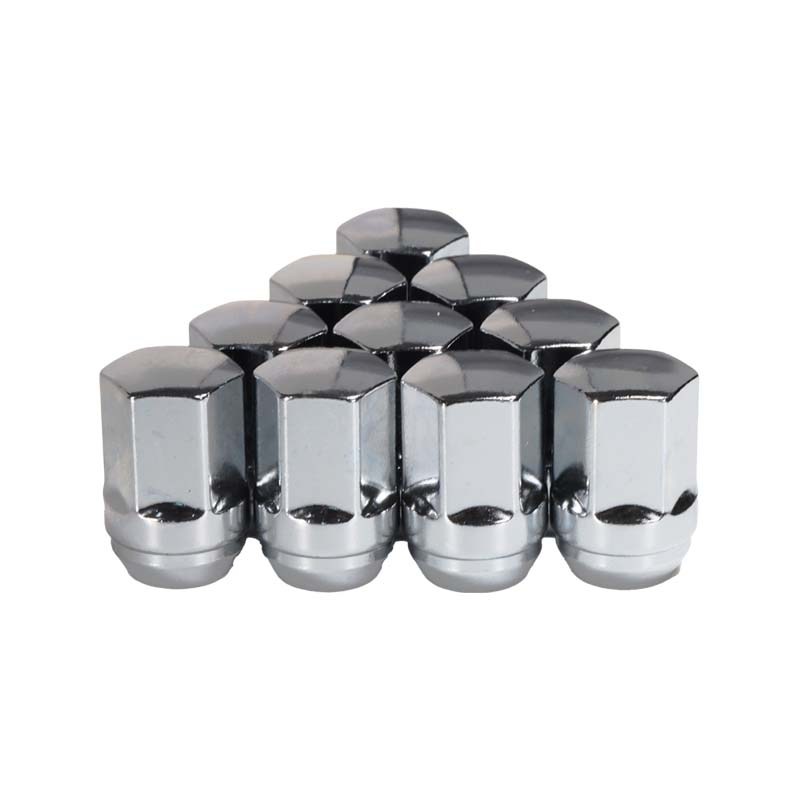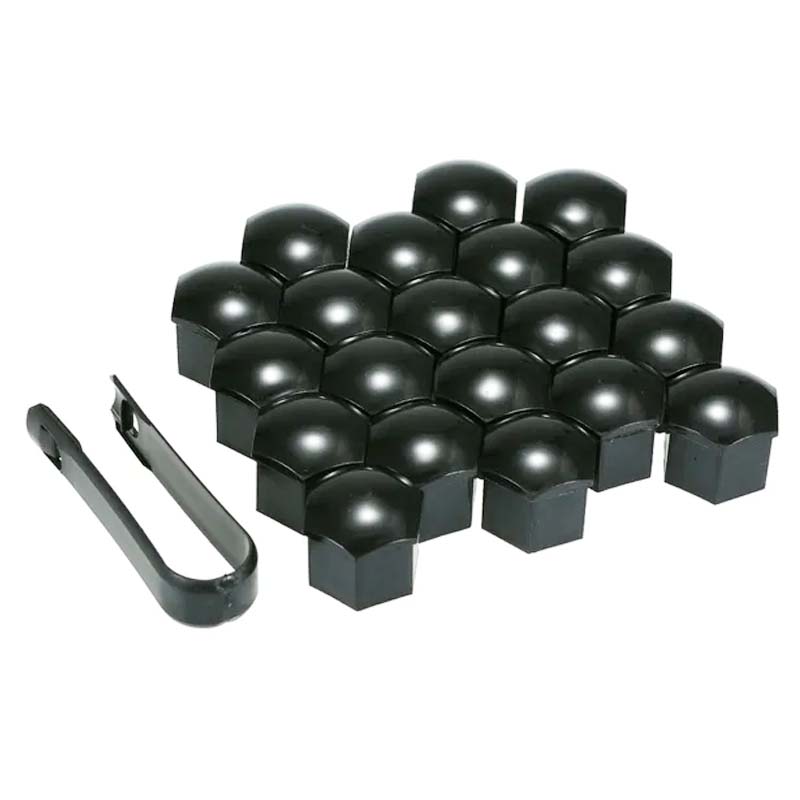

Wheel fasteners might seem like small, unremarkable parts on any car, truck or SUV, but the right lug nut makes all the difference between a solid, vibration-free ride and a serious safety risk. The 9/16-18 Wheel Lug Nuts represent one of the most widely used thread patterns across American muscle cars, classic pickups, trailers, heavy-duty 4x4s and many performance applications. The “9/16” refers to the major diameter of the thread in inches, while the “18” indicates 18 threads per inch, giving this fine-thread design excellent clamping force and resistance to loosening under high torque and continuous vibration. Whether you are restoring a vintage Chevelle, upgrading a Dodge Ram 2500, hauling a heavy cargo trailer or swapping rims on a Jeep Wrangler, understanding the exact specifications, material grades, seat types and proper torque values for 9/16-18 lug nuts is essential for maintaining structural integrity at every wheel hub. In this comprehensive resource we will break down every technical detail, installation practice, compatibility factor and frequently asked question so you can source, install and maintain these critical fasteners with complete confidence.
The thread designation “9/16-18 UNF” follows the Unified Fine Thread standard defined under ASME B1.1. Nominal major diameter sits at 0.5625 inches (14.2875 mm), while the pitch – the distance from one thread crest to the next – equals 1/18 inch (approximately 0.0556 inches or 1.4111 mm). Fine threads provide a larger tensile stress area compared to coarse threads of the same diameter, which means higher clamping loads can be achieved with less risk of stripping the stud. For automotive wheel studs this is critical because dynamic braking, cornering and impacts continuously work to stretch the stud and compress the lug seat. Junwei engineers test every production batch with go/no‑go ring gauges, thread plug gauges and video measurement systems to confirm that pitch diameter, flank angle and root radius stay within ISO‑2/6g tolerances. This level of dimensional control guarantees consistent thread engagement across all 20 lug nuts in a typical 5‑lug pack, minimizing runout and preventing uneven torque distribution during installation.
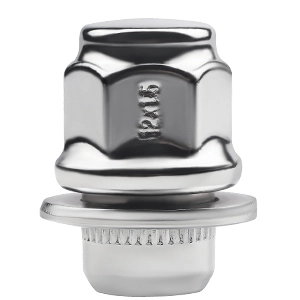
Just as important as thread size is the seat – the mating surface between the lug nut and the wheel’s lug hole. Choosing the wrong seat type on a 9/16-18 lug nut will create point loading, crack the wheel’s mounting pad or snap the stud during torque application. The three dominant seat profiles are conical (also called acorn or tapered, normally 60 degrees), mag (flat washer with a shank that extends into the wheel’s unthreaded hole) and ball (spherical radius seat found on many OEM German, Japanese and certain aftermarket wheels). In the 9/16-18 domain, conical seats dominate the trailer, RV, off‑road and classic muscle car markets. Junwei’s catalog includes 60‑degree conical lug nuts with a wide taper base to distribute clamp force over a larger contact ring, reducing aluminum wheel galling. For steel wheels with a flat mount surface, we supply flange‑style lug nuts often called “mag seat” with an integrated floating washer that self‑aligns. Ball seat 9/16-18 lug nuts with a 13/16″ (20.6 mm) or 7/8″ (22.2 mm) hex head are also available for European‑spec custom hubs.
| Seat Type | Typical Applications | Key Dimension | Junwei Part Number Reference |
|---|---|---|---|
| Conical 60° (Acorn) | Trailers, RV hubs, light trucks, classic car aftermarket wheels | 0.625″ – 0.750″ taper base diameter | JW‑L91618‑C60 |
| Mag Seat (Flat Washer) | Steel wheels, older American trucks, shank‑style race wheels | 0.685″ shank diameter, 0.480″ shank length | JW‑L91618‑MAG |
| Ball Seat (Spherical) | Select OEM and replica wheels with radius seat pockets | R12 or R14 radius, matched to wheel pocket | JW‑L91618‑BALL |
| Extended Thread (ET) | Deep‑dish wheels, spacers, long studs | 0.750″ – 1.200″ of internal thread depth | JW‑L91618‑ET‑XXXX |
Torque capacity and corrosion resistance start with the base material. Carbon steel 10B21 or 45K alloys are cold‑formed into a near‑net shape and then precision machined to achieve the final thread and seat geometry. Junwei’s standard 9/16-18 lug nuts are manufactured from heat‑treated 10B21 steel with a core hardness of HRC 24‑32, delivering a proof load exceeding 2,100 MPa. For extreme salt‑belt environments or marine trailer use, we upgrade to 304 stainless steel or apply multi‑layer zinc‑nickel plating with a thick trivalent chromium passivation. Black oxide finishes, commonly requested for stealth or night‑shade builds, receive a supplementary oil sealant to meet 96‑hour ASTM B117 salt spray without red rust. To further differentiate high‑end product lines, Junwei offers PVD black chrome and matte titanium coatings that sustain their color even after dozens of impact‑gun cycles.
Every Junwei 9/16-18 lug nut undergoes a documented production flow that begins with raw material certificate verification. Bar stock is sheared and cold‑headed on multi‑station progressive formers to align grain flow with the thread axis, enhancing fatigue strength. Threads are rolled rather than cut, which compresses the steel surface and creates a mirror‑smooth finish without the stress risers that can form during chip‑removal machining. Rolling also increases thread hardness in the root radius by 15‑20% compared to the unformed material. After heat treatment in mesh‑belt furnaces with a precisely controlled carbon potential, finished nuts are laser‑marked with the brand logo, thread size and torque rating. A statistical process control plan ensures every 100th piece is sectioned, mounted, polished and examined under a 50X microscope to verify case depth, microstructure and absence of intergranular oxidation. Before packaging, random samples from each batch undergo full‑spectrum chemical analysis, tensile proof load testing on calibrated test studs and multi‑axis CMM dimensional mapping. This commitment to quality is what lets us offer a lifetime structural warranty on all Junwei 9/16-18 lug nuts when installed at the recommended torque and re‑torqued after the first 50 miles.
Proper torque is not just a suggestion – it is the only way to achieve the designed clamp load without yielding the stud. For 9/16-18 fine‑thread wheel studs used in most 1/2‑ton and 3/4‑ton applications, the target dry torque typically falls between 130 and 150 ft‑lbs (176‑203 Nm). Always verify the specific vehicle manufacturer’s recommendation; some heavy‑duty truck and trailer axles spec up to 175 ft‑lbs for 9/16-18 studs when using hardened flange nuts. Lubricated threads lower friction and will cause the nut to turn farther at the same torque wrench setting, potentially over‑stretching the stud. Unless explicitly stated by the OEM, install lug nuts dry or with only a light anti‑seize on the hub pilot pad – never on the threads. Using a calibrated torque wrench, tighten in a star or crisscross pattern in three equal steps: first to 40‑50 ft‑lbs, then to 90‑100 ft‑lbs, and finally to the full torque value. After 25 to 60 miles of driving, re‑check the torque because thermal cycling and paint compression under the seat can cause an initial torque drop of 5‑10%. Junwei includes a printed torque sequence card in every retail box to eliminate guesswork in the garage or at the racetrack.
The 9/16-18 thread is found on an exceptionally broad range of hubs, especially older American trucks, trailers and heavy‑duty Jeeps. Below is a reference list of platforms that frequently require 9/16-18 lug nuts, but always measure your actual studs because previous owners may have converted hubs or installed aftermarket studs.
| Make / Model | Typical Year Range | Stud Thread | Recommended Seat |
|---|---|---|---|
| Chevrolet / GMC C/K 10, 20, 30 Series | 1971 – 1991 (and earlier conversions) | 9/16‑18 | Conical 60° or flange mag |
| Dodge Ram 2500 / 3500 (2nd Gen) | 1994 – 2002 (some models) | 9/16‑18 | Conical 60° hub‑piloted |
| Ford F‑250 / F‑350 (High‑GVWR axles) | 1980 – 1997 | 9/16‑18 | Conical 60° or flange |
| Classic Muscle Cars (GM A‑body, F‑body with axle swaps) | 1964 – 1972 with aftermarket 12‑bolt or Dana 60 | 9/16‑18 (common upgrade stud) | Conical 60° |
| Jeep CJ / Wrangler YJ, TJ, JK with 1‑ton axle swaps | Varied, with Dana 60 / 14‑bolt axles | 9/16‑18 | Conical 60° or mag |
| Utility / Cargo Trailers (5‑lug 5,200‑7,000 lb axles) | Modern dexter, Lippert axles | 9/16‑18 | Conical 60° |
| Boat Trailers (Tandem‑axle, heavy capacity) | Various manufacturers | 9/16‑18 | Conical 60° (stainless preferred) |
A lug nut can only develop its rated clamp load if enough threads are engaged with the stud. A safe rule is that the length of full internal thread engagement should be at least equal to the stud diameter – for 9/16-18, that means a minimum of 0.5625 inches of clean, burr‑free thread contact. However, many aftermarket alloy wheels have thicker mounting pads or require extended‑reach lug nuts to reach deeply recessed studs. Junwei manufactures 9/16-18 lug nuts with an internal thread depth ranging from 0.700″ in standard acorn designs up to 1.200″ in our ET (extended thread) series. To check engagement on your installation, thread the nut on the stud by hand until it bottoms out, mark the stud, then count how many full turns it took. Multiply turns by the pitch (0.0556″). If the resulting engagement length is less than the stud diameter, switch to an extended‑thread nut or consider upgrading to longer wheel studs. Never stack washers or spacers under the nut to compensate, as this reduces the effective thread count and concentrates bending stress at the first engaged thread.
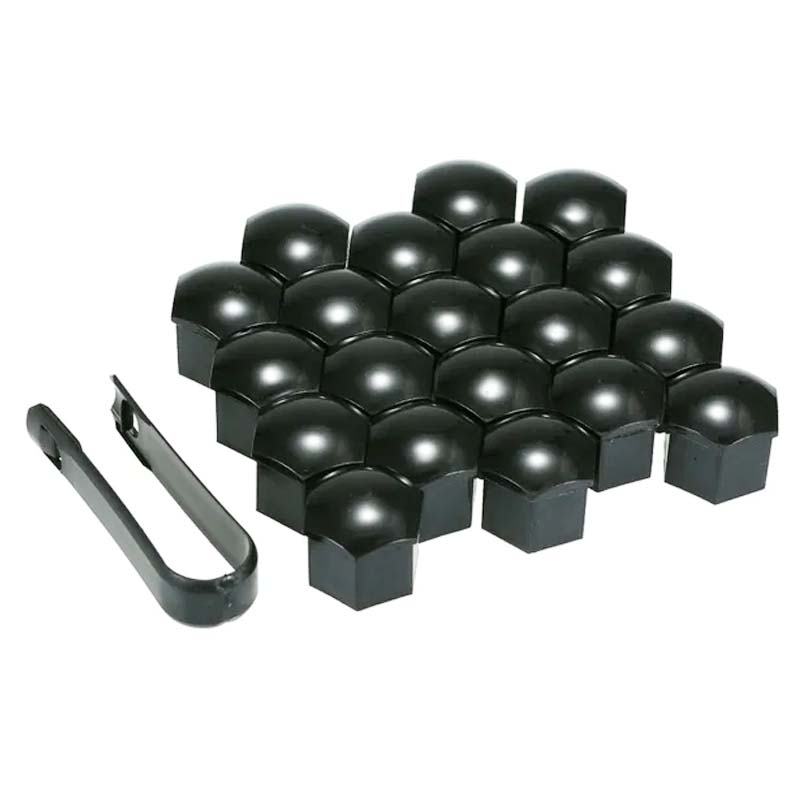
Another frequently overlooked specification is the external hex size of the lug nut. For 9/16-18 thread, common hex dimensions are 13/16″ (20.6 mm), 7/8″ (22.2 mm) and occasionally 15/16″ (23.8 mm) for heavy‑flange designs. The choice of hex size must balance the available socket clearance in the wheel’s lug bore. Aftermarket wheels with narrow, deep‑set lug wells often require a smaller 13/16″ or even a tuner‑style spline drive key to prevent scratching the wheel’s clear‑coat. Junwei provides both standard and “spline‑drive” configurations for 9/16-18 lug nuts, each packaged with its own dedicated installation tool. Our spline‑drive nuts feature seven‑sided geometry that distributes torque more evenly than six‑point designs, reducing the chance of rounding the nut under high‑torque impact gun usage. For truck and trailer owners who want a single socket to cover all lug nuts on the rig, we also offer 13/16″ hex across the entire 9/16-18 product line, consistent with most factory‑style lug wrenches.
Even premium lug nuts require periodic inspection, particularly on vehicles exposed to winter de‑icing chemicals or saltwater. We recommend visually inspecting all 9/16-18 lug nuts during every tire rotation interval (roughly every 5,000‑7,000 miles). Look for rust bloom at the thread start, flaking chrome on decorative caps, or galling on the conical seat. A light brushing with a stainless‑steel wire brush followed by a thin film of dry‑film lubricant on the seat face only can prevent galvanic corrosion between the steel nut and aluminum wheel. For boats and salt‑corridor trucks, Junwei’s 304 stainless steel 9/16-18 lug nuts eliminate the need for plating and will never suffer from hydrogen embrittlement, a known failure mode for high‑hardness carbon steel fasteners in corrosive environments. Always replace any lug nut that shows more than 25% thread deformation, has been cross‑threaded or has taken an over‑torque event beyond the material’s yield point – a few dollars per nut is far cheaper than a compromised stud or a wheel detachment.
Many older American 3/4‑ton trucks such as the Chevrolet C20, GMC K2500 (1970s–1980s), Dodge Ram 2500 (1994–2002) and certain Ford F‑250/F‑350 models from the 1980s and 1990s came with 9/16‑18 wheel studs. Additionally, a large portion of 5‑lug and 8‑lug trailer axles rated between 5,200 and 7,000 lbs use this thread pattern. Classic cars that have been retrofitted with heavy‑duty 12‑bolt or Dana 60 rear ends with upgraded studs also adopt 9/16‑18. Always verify your existing stud thread with a thread pitch gauge or by test‑fitting a known 9/16‑18 nut because axle swaps are common.
No. Even though 9/16 inch (14.2875 mm) is close to 14 mm, the thread pitch is entirely different – 14x1.5 has a 1.5 mm pitch while 9/16‑18 has a 1.411 mm pitch. Forcing a 9/16‑18 nut onto a 14 mm stud will gall the threads and severely weaken the joint. If you need to convert metric to SAE or vice versa, the correct solution is to replace the wheel studs, never the lug nuts alone.
Trailer axle manufacturers generally specify 120‑150 ft‑lbs for 9/16‑18 studs, depending on the stud material and hub material. For Dexter and Lippert 5,200‑7,000 lb axles, a dry torque of 130‑140 ft‑lbs is typical. Always use a calibrated torque wrench and re‑torque after the first 25‑50 miles of a trip. If you carry a heavy load or travel over rough terrain, check torque at every fuel stop on long hauls.
Yes, when the correct seat type is selected. Junwei’s 60‑degree conical seat lug nuts feature an oversized bearing face that distributes clamp load over a wider area of the aluminum wheel’s lug pocket, dramatically reducing the risk of galling and fretting. For mag‑type aluminum wheels that require a flat washer, our mag‑seat lug nuts include a hardened floating washer that rotates independently to prevent friction against the wheel surface during tightening. We strongly advise against using any un‑mated seat type on aluminum wheels.
You can, but it must be done carefully. A torque stick or torque‑limiting extension rated for 130‑150 ft‑lbs can be used on a standard automotive impact gun to bring the nut close to target, but final torque should always be applied with a hand torque wrench. Over‑torquing with an unregulated impact gun can stretch the stud past its yield point, making it susceptible to sudden fatigue fracture. Junwei’s 9/16‑18 nuts are rated to handle repeated impact installation when torque sticks are used within their design limits.
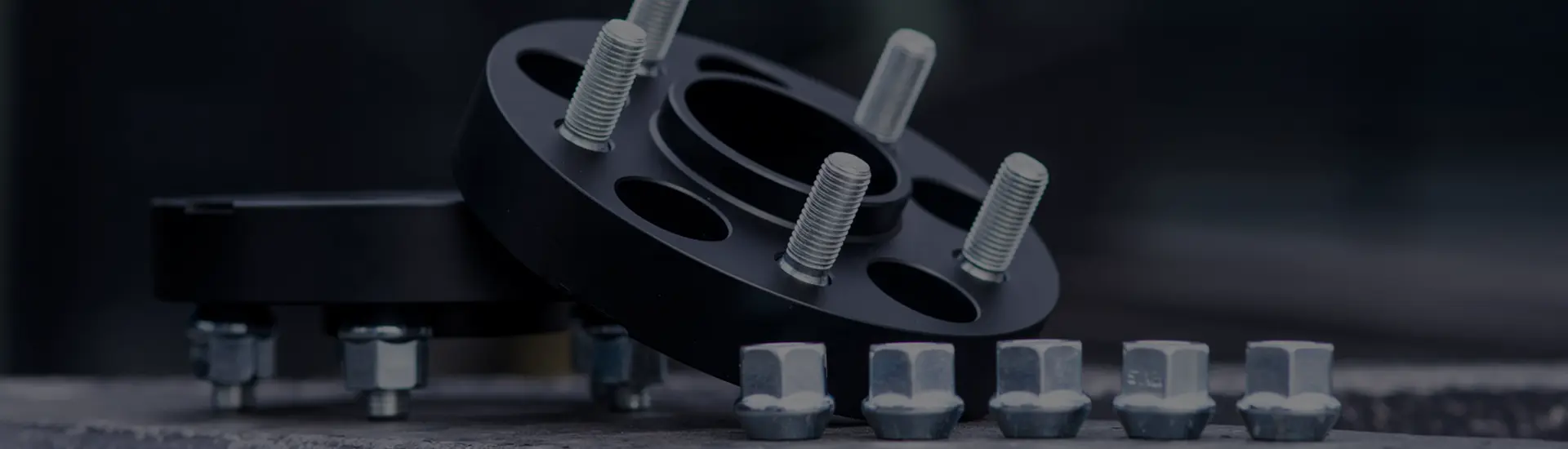
Open‑end lug nuts are required when the wheel stud protrudes past the outer face of the nut. This happens frequently with long ARP or Moroso racing studs, wheel spacers and certain hub‑piloted designs. Closed‑end (acorn) lug nuts protect the exposed stud tip from corrosion and provide a cleaner aesthetic for studs that remain fully inside the nut. Junwei manufactures both styles in 9/16‑18 thread, with open‑end lengths sufficient for 3‑inch and longer studs.
This almost always indicates that the lug nut is bottoming out on the stud’s unthreaded shoulder before the seat fully contacts the wheel. It creates a false torque reading. Measure your stud protrusion and compare it to the internal thread depth of the lug nut. If the nut bottoms early, switch to an extended‑thread version or add a hardened steel spacer only if the manufacturer certifies that design. Junwei’s ET (extended thread) lug nuts have up to 1.200″ of thread depth to solve bottoming issues without sacrificing engagement.
Rarely. Properly torqued fine‑thread 9/16‑18 lug nuts maintain clamp load through mechanical wedge effect and do not need chemical thread locking compounds. In fact, thread locker can act as a lubricant during installation, causing over‑tightening unless torque values are adjusted for wet installation. If you choose to use a mild thread locker for peace of mind on an off‑road rig, reduce the dry torque by approximately 15‑20% and always verify the actual clamp load with a stretch gauge if possible.