
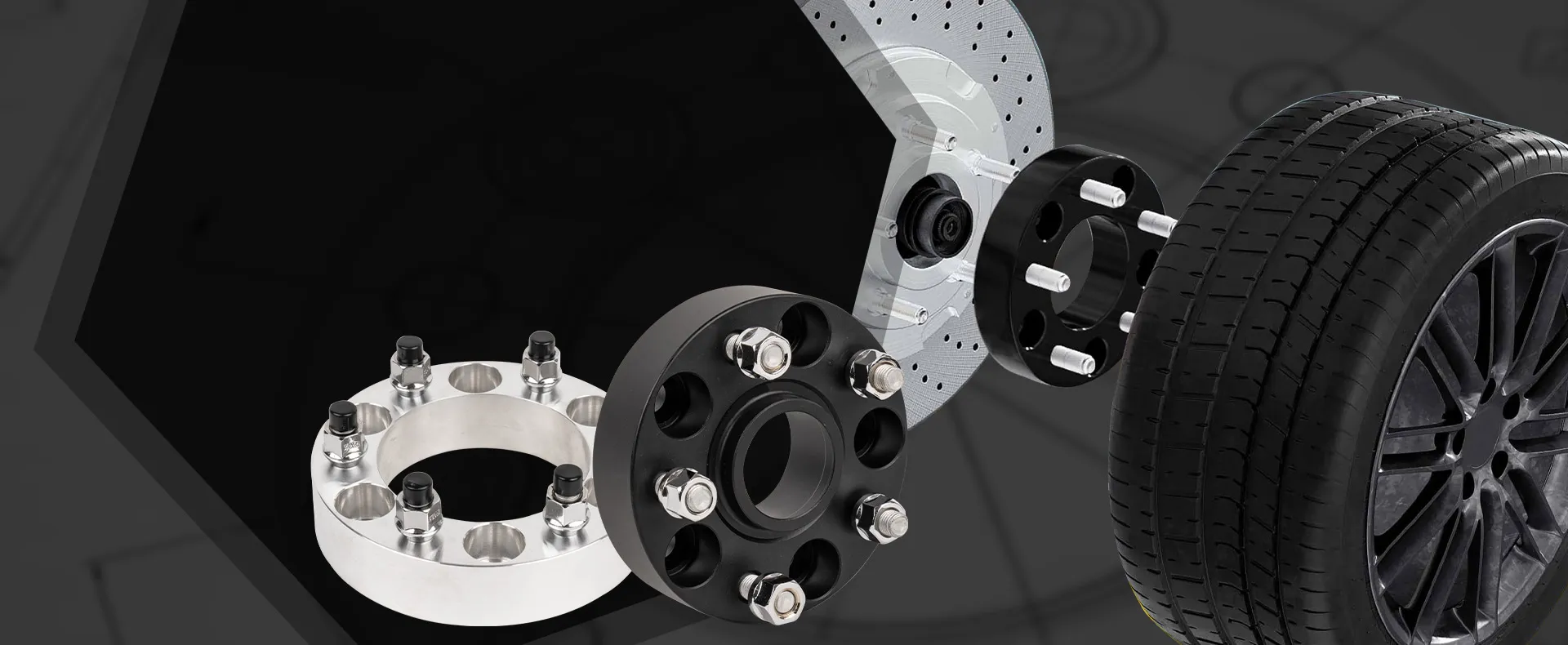
Spend any time in a truck forum or off-road community and you will hit the same arguments. Hub-centric or lug-centric? 6061-T6 or 7075-T6? Bolt-on or slip-on? For someone who just wants a wider stance or enough room to clear bigger brakes, it starts to feel like a lot of noise around what looks like a simple metal ring.
It is not simple, though. Get the wrong product and the results range from annoying — steering vibration that was not there before — to genuinely dangerous. The spacer market has also gotten crowded enough that evaluating products at a glance is harder than it used to be.
This guide covers what actually determines spacer quality and safety. No spec padding, no inflated claims — just a practical breakdown for anyone making a buying decision in 2026.
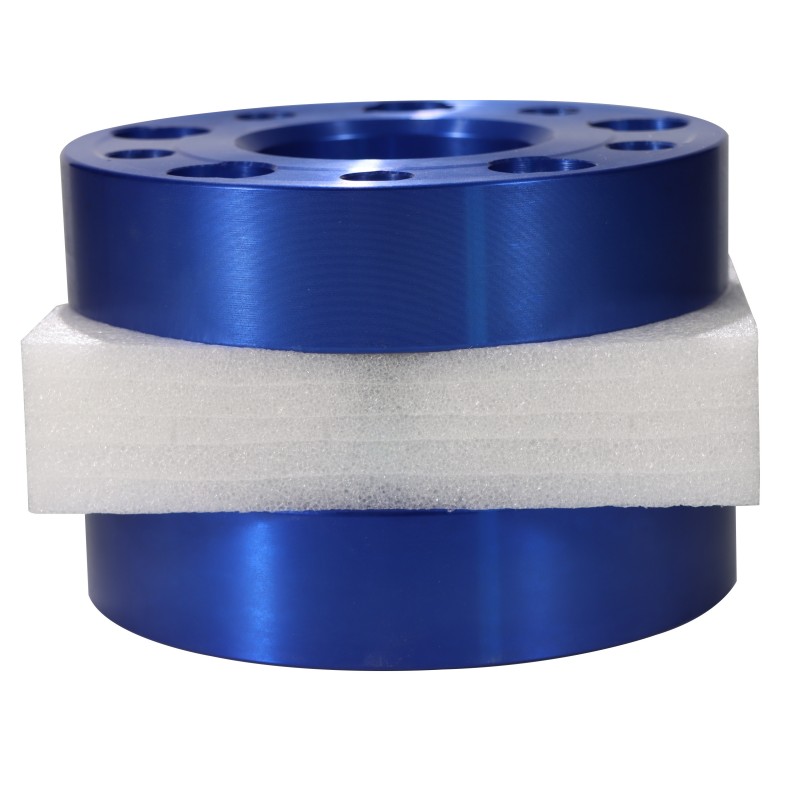
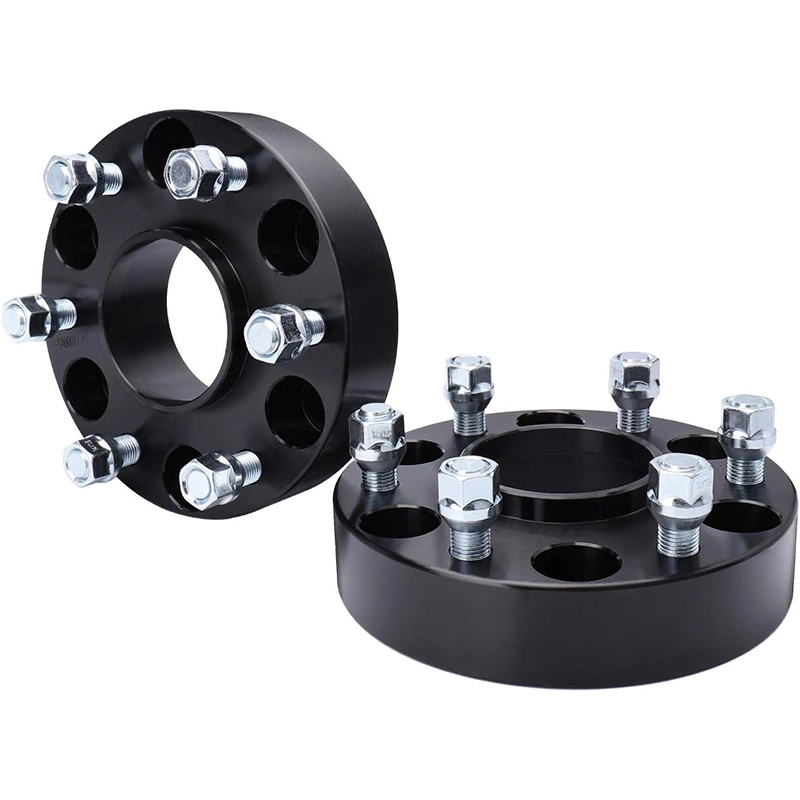
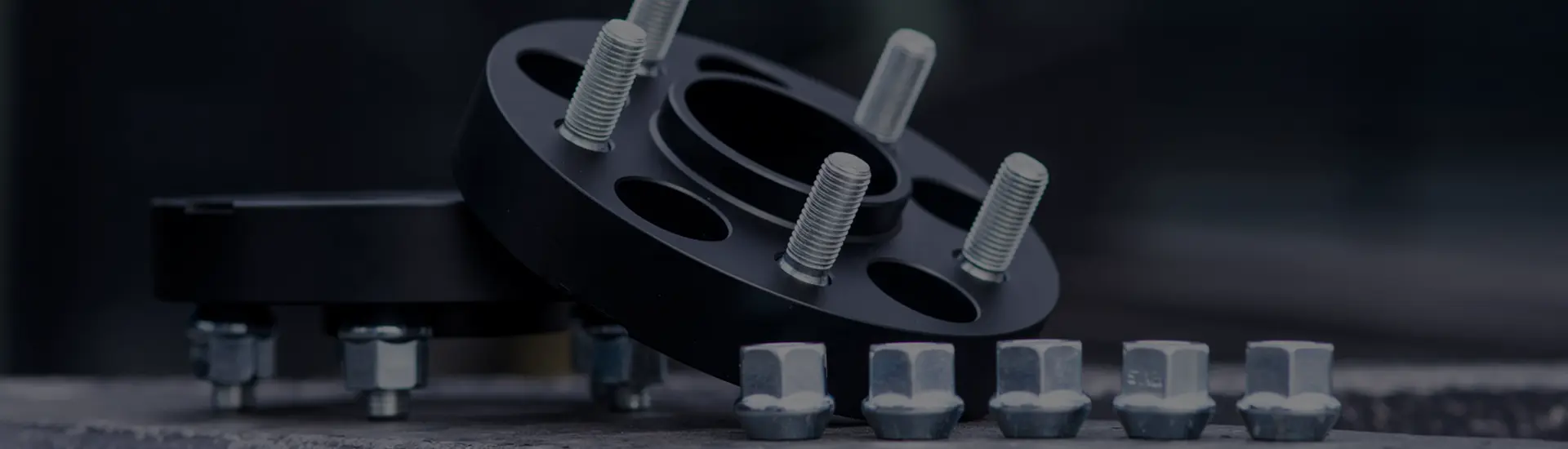
The terms circulate interchangeably enough that it’s worth being precise before anything else. A wheel spacer does exactly one thing: it pushes your wheel outward from the hub by a fixed amount. Ten millimeters, twenty-five, whatever the application needs. The bolt pattern stays identical to factory. Nothing is being converted — just the position of the wheel relative to the hub face. Common reasons include clearing oversized calipers, achieving flush fitment after a suspension lift, or widening the track.
A wheel adapter does something structurally different. It converts one bolt pattern to another. Found aftermarket wheels drilled for 5x114.3 but your car runs 5x120? An adapter bridges that gap. J&W’s PCD conversion adapter range covers configurations from 4x100 through 6x139.7 for buyers switching wheel brands or running a set sourced from a vehicle with a different factory pattern.
They look alike. What separates them is the mechanical function — and that’s what determines which one you actually need.
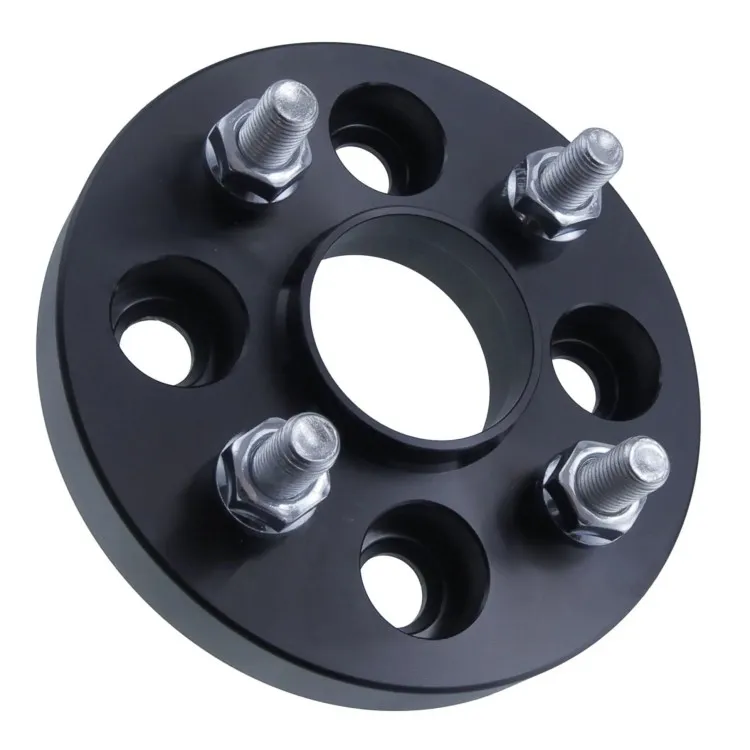
If there is one thing worth committing to memory from this guide, it is this: always run hub-centric spacers.
On a hub-centric design, the spacer’s center bore is machined to match the outer diameter of the vehicle hub. The hub carries the vehicle’s weight; the lug nuts handle clamping. Two separate jobs, two separate surfaces. Every factory wheel setup works this way because that’s the correct load path.
Lug-centric spacers skip the precise bore match, which means the studs and lug nuts end up doing both jobs. At low speed on smooth roads you might not feel it. But start adding real cornering loads and sustained highway miles and the micro-movement at the contact surface starts to build. Vibration follows. Then accelerated stud wear. Shops that do a lot of wheel work have seen the end of that story — and it is not a fun one.
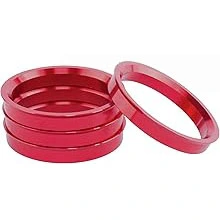
The first warning sign is usually a shake in the steering wheel at speed that wasn’t there before installation. Some buyers patch it with hub rings, small inserts that fill the gap between an oversized bore and the hub. It reduces the vibration, sometimes completely. But it is a fix for a product that didn’t fit right in the first place — not a design feature.
Every wheel spacer adapter in J&W’s catalog is machined hub-centric. The center bore is matched to the vehicle spec, not padded to fit. That detail doesn’t show in a product photo but it shows immediately in how the car feels on the road.
At a certain price point, every spacer listing claims aerospace-grade aluminum. The specs are worth understanding because the difference is real — but it gets overstated in both directions depending on who is selling.
6061-T6 is the industry standard for automotive spacers and earned that position for legitimate reasons. The T6 designation means solution heat treatment followed by artificial aging, which dramatically improves strength and hardness over base 6061. Tensile strength sits around 45,000 psi. It machines cleanly, anodizes consistently, handles corrosion. For daily drivers, lifted trucks, off-road rigs, and moderate track use, 6061-T6 is fully adequate.
7075-T6 is a different category. Zinc-primary alloy, tensile strength around 83,000 psi — roughly 84% stronger in tensile terms. Its hardness approaches mild steel. It is used in aircraft structures because no cheaper material achieves the same strength-to-weight ratio.
That strength difference sounds impressive. Whether it matters for your application is a different question. For competitive racing, heavy tow rigs running loaded trailers long distances, or serious off-road builds where high-impact loading is constant — yes, the upgrade is real. J&W’s 7075-T6 PCD 6x139.7 CB95.1 adapter, built for full-size trucks and heavy SUVs, is exactly the application where the premium justifies itself.
For street driving and weekend off-road use? A properly forged, CNC-machined, hub-centric, independently certified 6061-T6 spacer will outperform a 7075-T6 product from an unverified source every single time. Material grade is one variable. Manufacturing precision and third-party testing are others — and when the source is unknown, those variables matter far more.
Here is the uncomfortable truth about the spacer market: because these things look functional and install simply, defects in cheap products often stay hidden until the component is under real load. By then, you are usually somewhere you’d rather not have a problem. Bad timing is an understatement.
SGS and TUV certification solve a specific problem: they confirm that someone other than the manufacturer has tested the product under defined conditions. TUV fatigue protocols in particular compress years of real-world driving loads into laboratory test cycles. A spacer holding a current TUV certificate has physically survived that process. That is categorically different from a spec sheet listing impressive tensile strength numbers with no external verification of whether they are real.
For individual buyers, this is the most reliable way to confirm that the WLL rating printed on a spacer reflects actual tested performance. For wholesale and fleet buyers, certification creates a defensible paper trail — useful if an installation is ever questioned by an insurer or inspector. For vehicles running at sanctioned events, the documentation question is increasingly non-optional.
Every product J&W Auto Part ships carries both SGS and TUV certification. The actual certificates — with reference numbers — are available on request. Real documents from real testing labs, not logos in product copy.
People research spacers carefully, then grab whatever lug nuts happen to be in stock. The seat angle mismatch that follows is one of the most common sources of post-install problems — entirely preventable, and almost never caught until something starts feeling wrong.
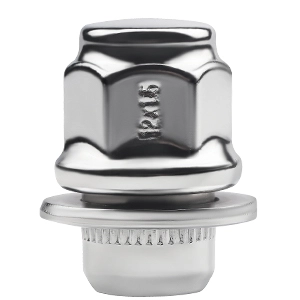
Lug nuts come in three seat types: conical (60° taper), ball seat, and flat. Your wheel’s lug holes are machined to accept one of these profiles. When the nut doesn’t match, it contacts at an edge rather than across a surface. Clamping force drops even when the torque spec reads correctly on the wrench. That gap between “torqued to spec” and “actually secure” is where problems live.
M12x1.5 is the standard thread pitch across most European and Japanese passenger cars. VW Group, Toyota, Honda, Hyundai — if your car came from one of those platforms, that’s almost certainly what you need. J&W’s M12x1.5 conical seat lug nuts are built to the 60° taper these vehicles require.
Three installation points that consistently get skipped: Use a torque wrench for final tightening — impact guns are fine for removal but not for seating lug nuts to spec, and the gap between 90 and 130 ft-lbs matters more than most people realise. Re-torque at 50 to 100 miles, because new spacers and hardware seat during the first thermal cycles and some relaxation is normal. And check thread engagement before calling the job done — which leads to the next section.
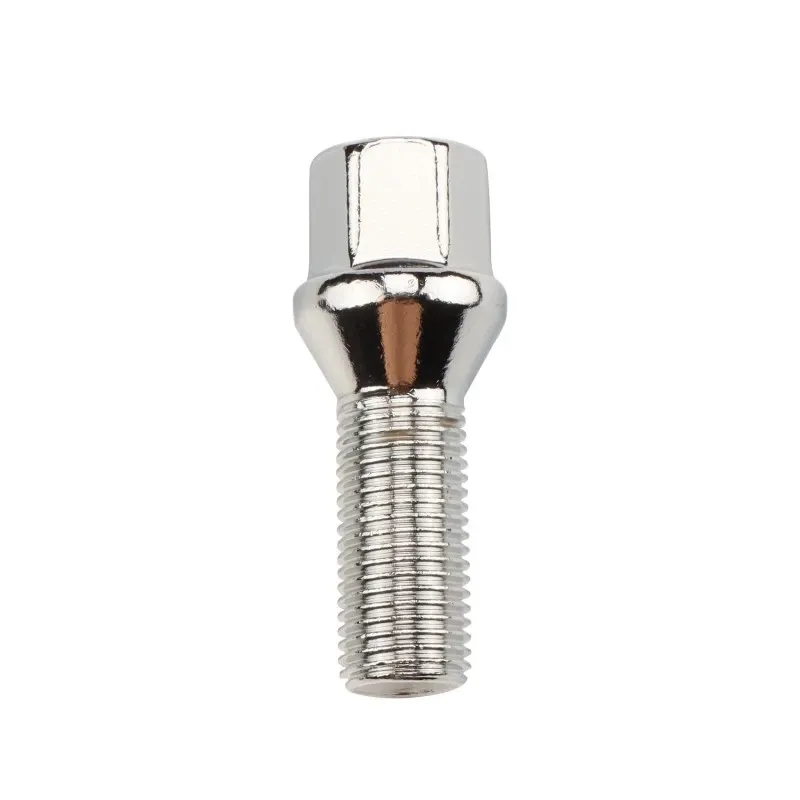
Factory lug bolts are sized for factory wheel thickness. Add a 20mm spacer and you have moved the wheel face 20mm further from the hub — which means 20mm less thread engagement for the same bolt. The bolt didn’t get longer. The hub didn’t get closer. That thread engagement simply dropped.
Minimum safe thread engagement for a steel lug bolt is at least 1× the bolt diameter. For M12 hardware, that’s 12mm minimum — ideally closer to 18mm. Run those numbers for your specific spacer thickness and wheel hub depth. If the result falls short, the installation is not safe regardless of spacer quality, torque settings, or certification.
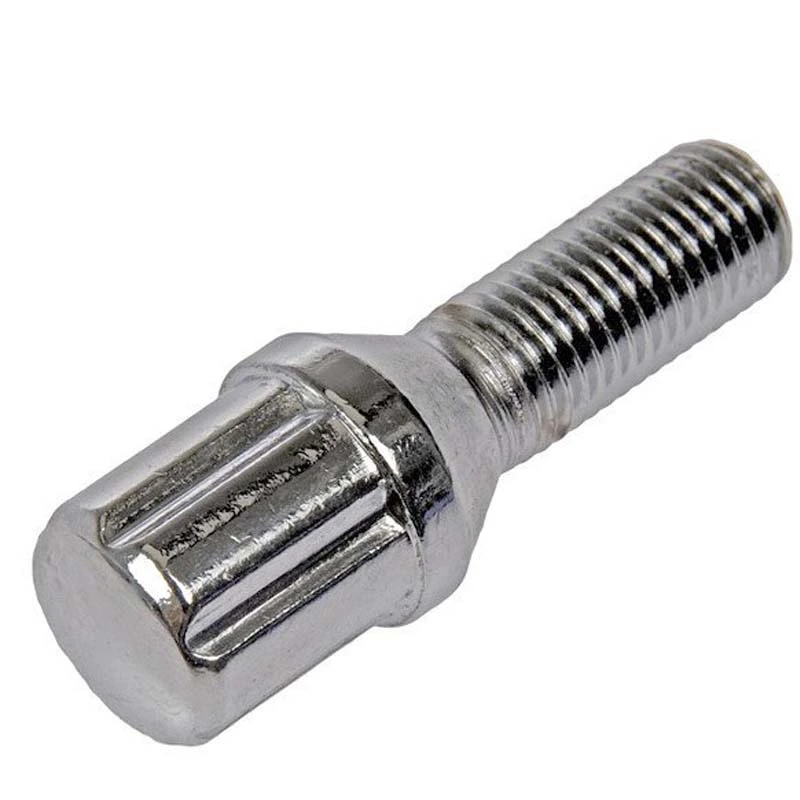
J&W’s extended lug bolt range is built specifically for spacer and adapter applications, with lengths that correspond to common spacer thicknesses and thread pitches matched from the start. Sourcing hardware from the same manufacturer as the spacer removes the thread pitch and seat angle mismatches that come from mixing components from different sources.
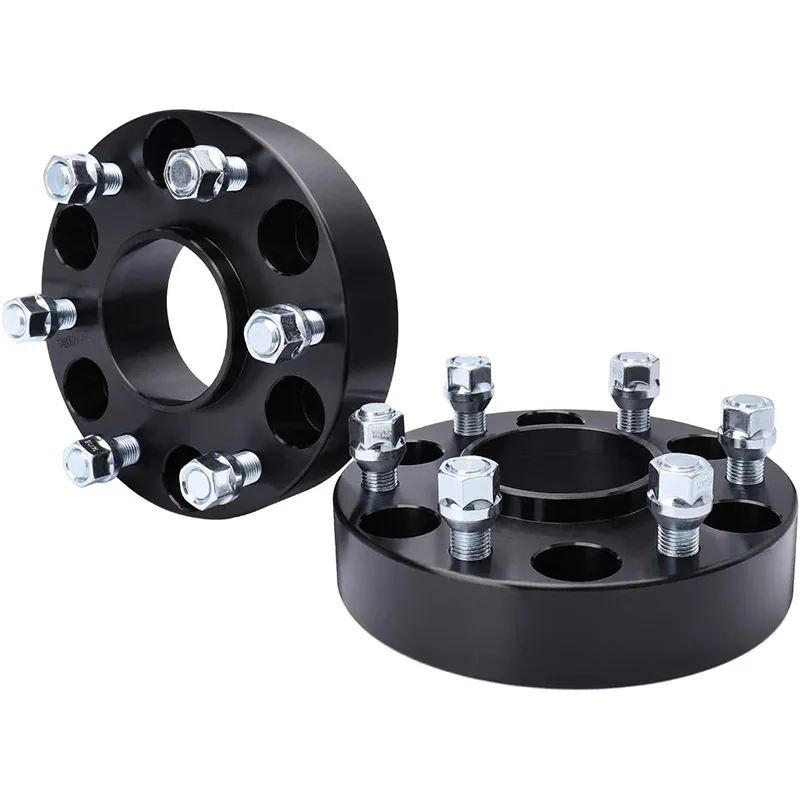
Two numbers determine whether a spacer fits at all: PCD (Pitch Circle Diameter) and center bore. PCD is the diameter of the circle your bolt holes sit on — five bolts on a 114.3mm circle is 5x114.3. For standard spacers, both sides match the vehicle. For adapters, the two sides are intentionally different.
Center bore is the diameter of the central hole. This determines whether the fitment is truly hub-centric. Common specs and the vehicles they correspond to:
|
Center Bore |
Common Applications |
|
CB56.1 |
Honda Civic, Fit, CR-V (multiple generations) |
|
CB60.1 |
Toyota Corolla, Yaris, various RAV4 builds |
|
CB66.1 |
BMW 3-series, 5-series, Z4 |
|
CB95.1 |
Ford F-150, Chevrolet Silverado, Jeep Wrangler, Toyota Tundra |
On center bore measurement: when in doubt, measure the hub directly with a caliper or pull the spec from your vehicle’s workshop manual. A correctly spec’d hub-centric spacer and a lug-centric one that fits loosely cost similar amounts at purchase. The performance difference is not similar at all.
These are the checkpoints that experienced performance shops and fleet procurement teams use when qualifying a new spacer supplier. They are not theoretical — they are the questions that separate a solid purchase from a return shipment.
Most wheel spacer failures aren’t about the concept — they’re about execution. Lug-centric designs on hubs they don’t properly match. Alloys labeled 6061-T6 that have never seen a testing lab. Thread pitches that are close but not correct. None of these defects are obvious at the point of purchase, and all of them eventually surface under load, usually when it’s least convenient.
The short version: get the center bore right, get the material certified, and get the hardware from the same source as the spacer. Three things. Everything else is secondary.
J&W Auto Part manufactures wheel spacer adapters, lug nuts, and lug bolts in Ningbo for export markets across North America, Europe, and Australia. The catalog runs from standard 6061-T6 hub-centric spacers through 7075-T6 heavy-duty adapters for truck platforms. SGS and TUV certifications cover every product line. Custom PCD, center bore, thickness, thread pitch, and anodizing finish are available for OEM and wholesale buyers.
Browse the wheel spacer adapter catalog, or reach out directly to discuss a specific application or volume requirement.
TUV Rheinland Automotive Component Testing Protocols · SGS Automotive Certification Standards · SAE International J2530 Wheel and Tire Performance Requirements · NHTSA Aftermarket Wheel Component Guidelines