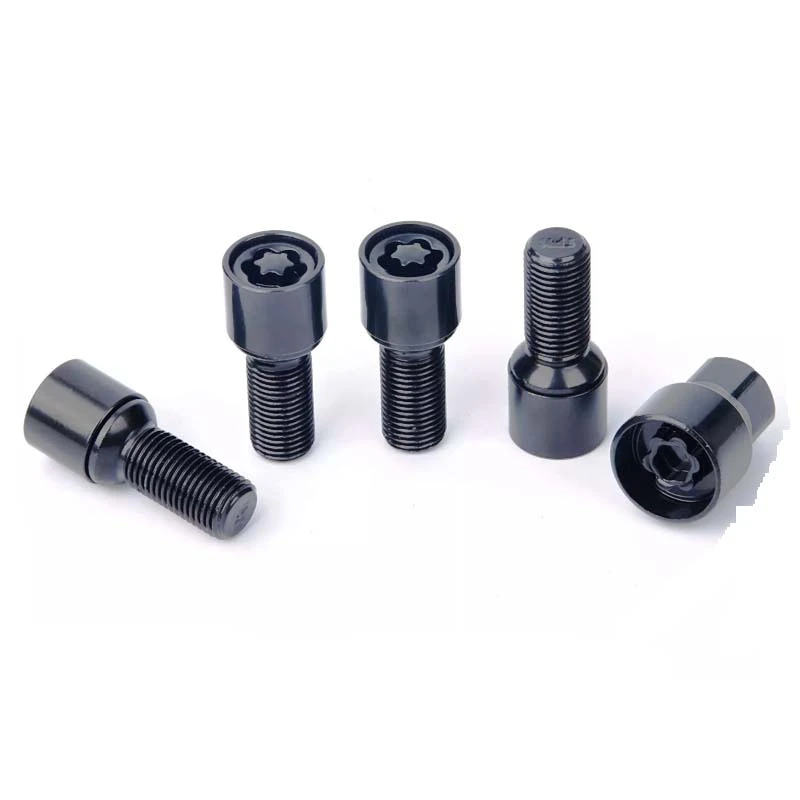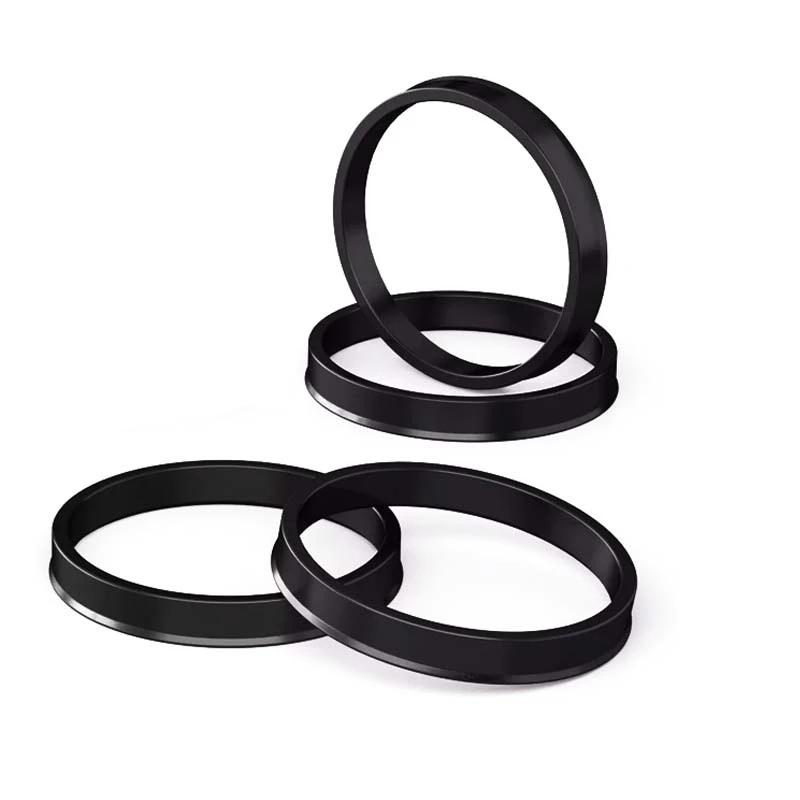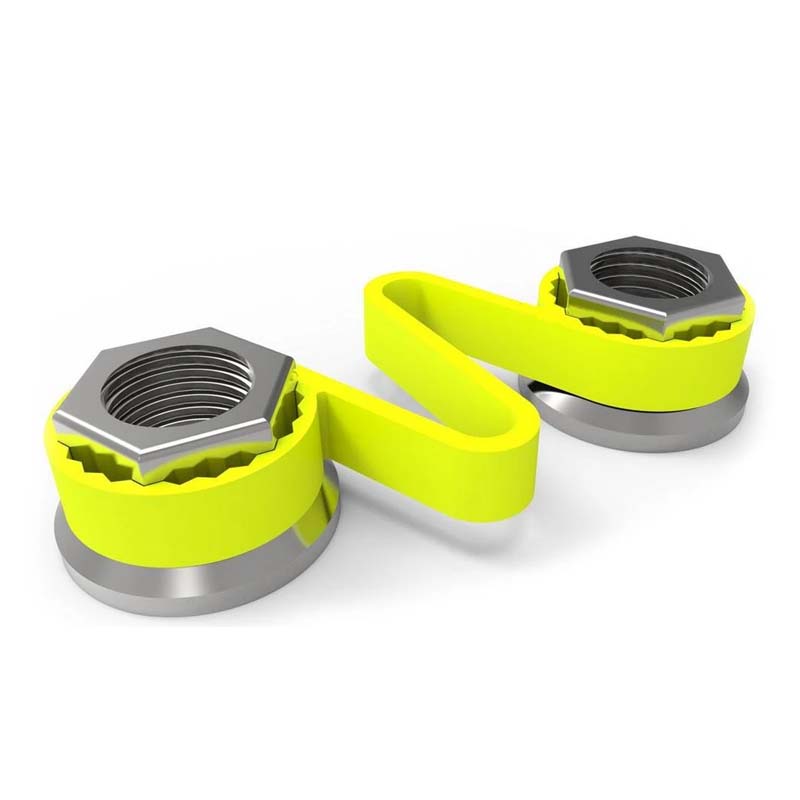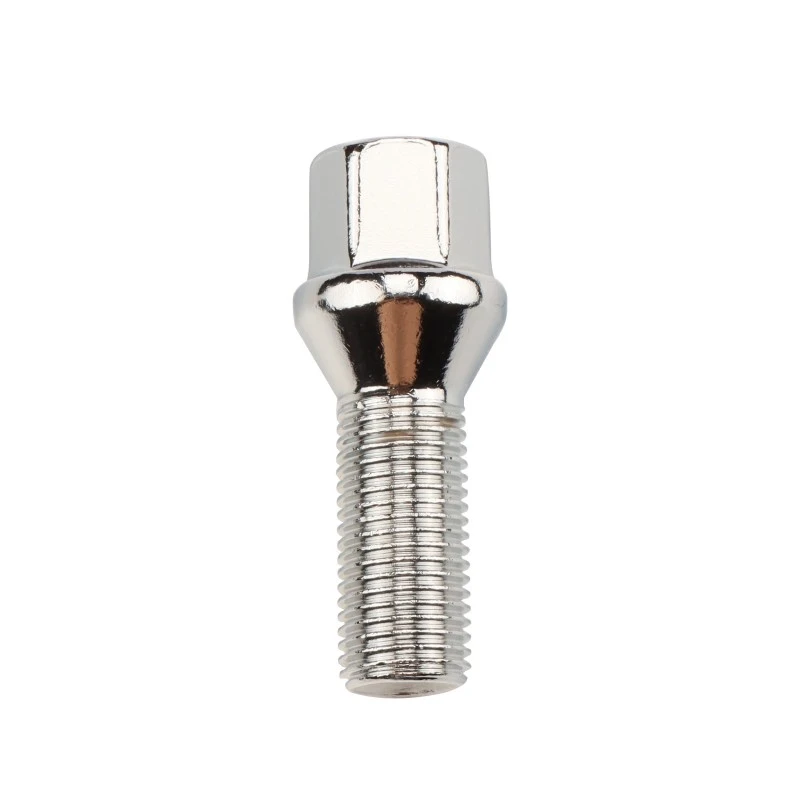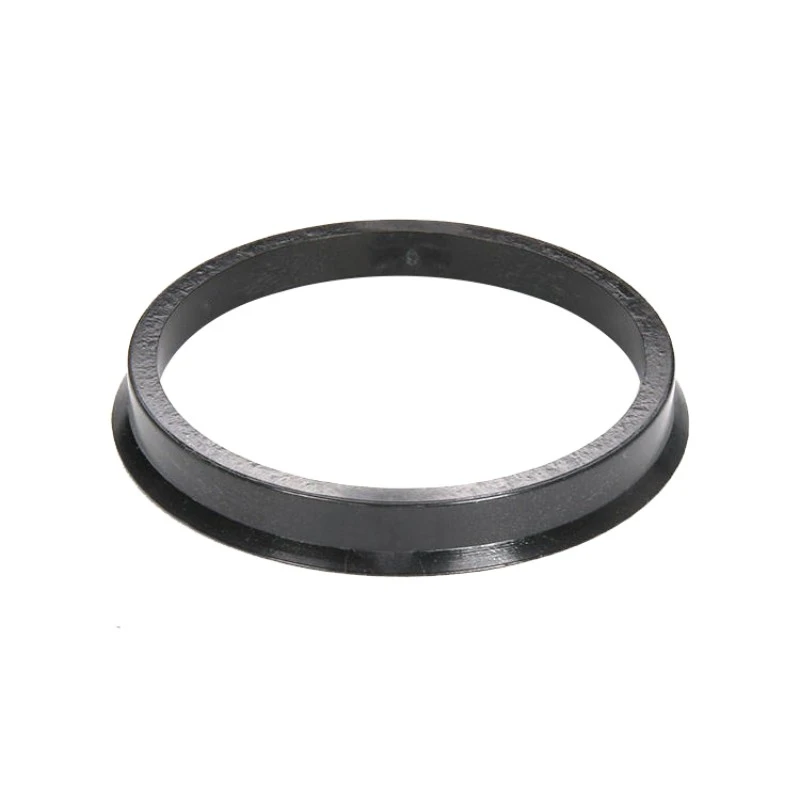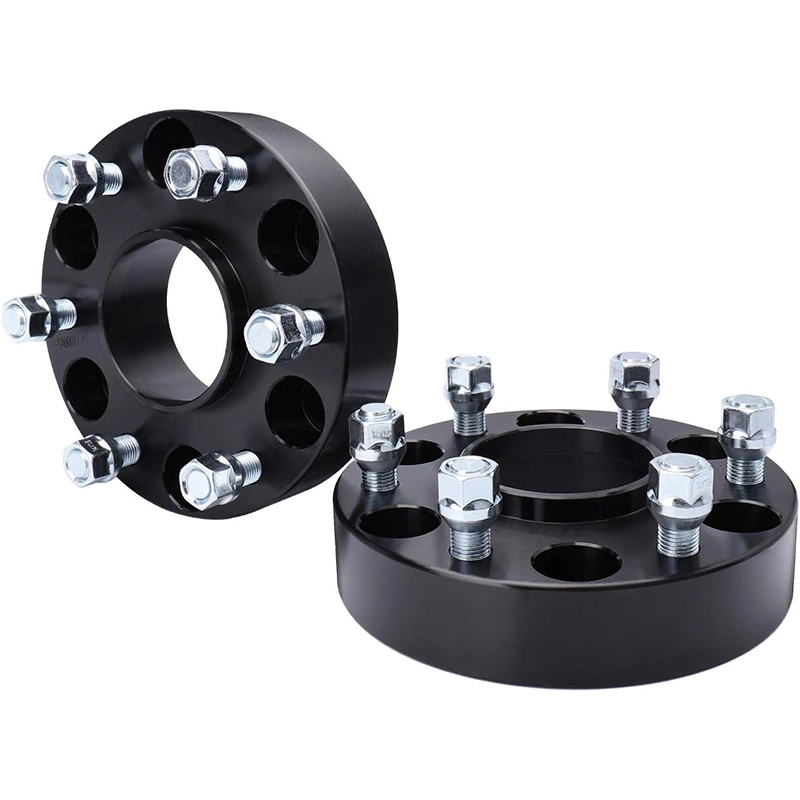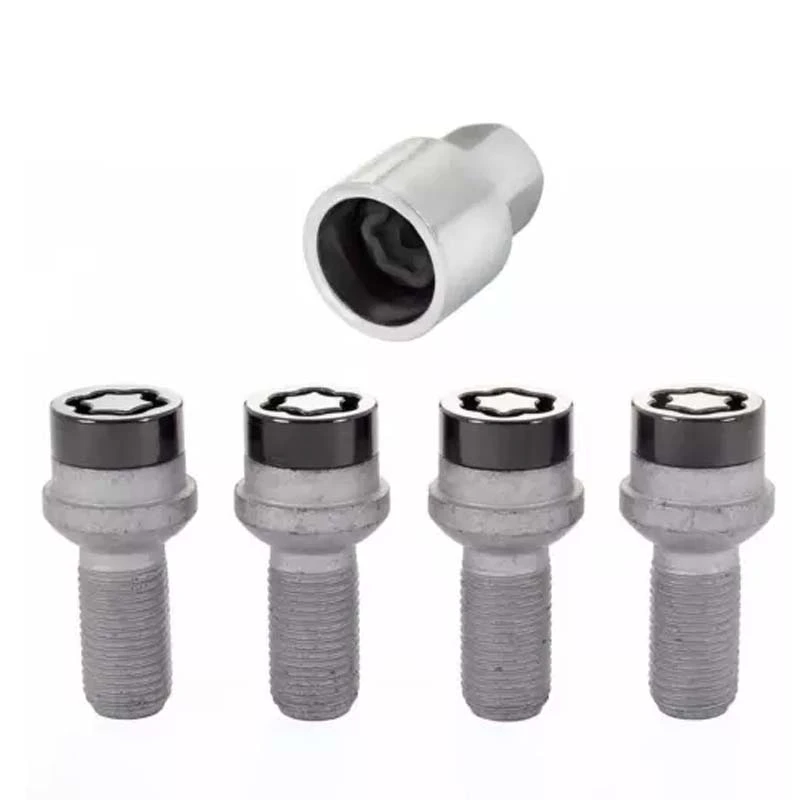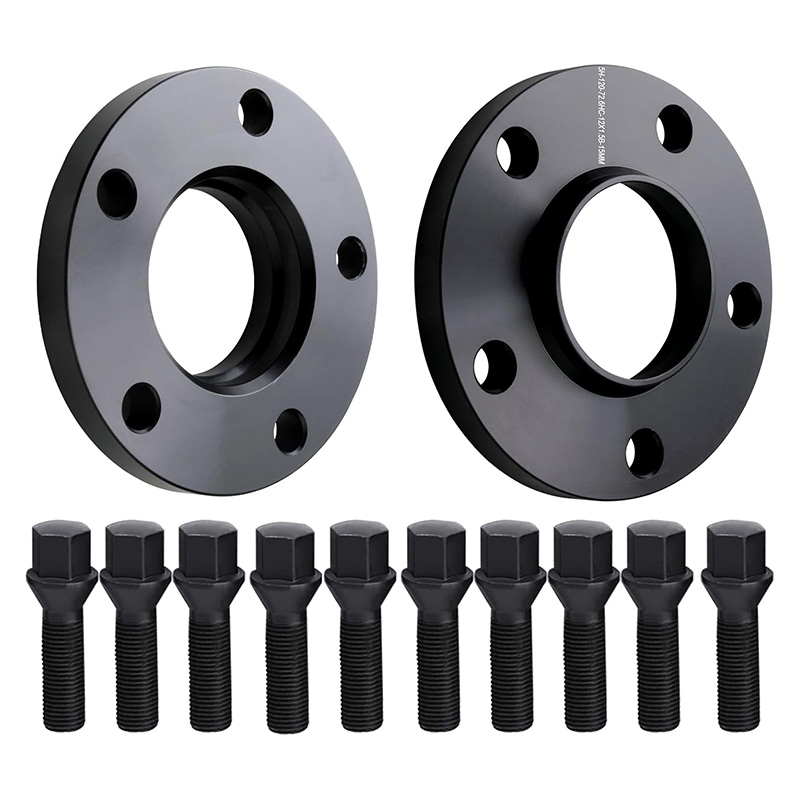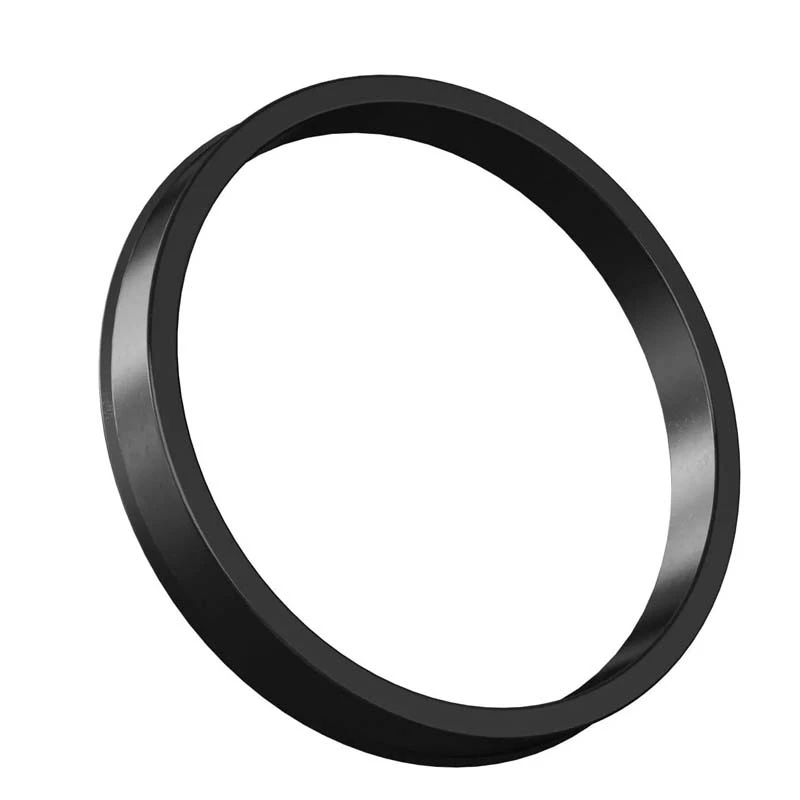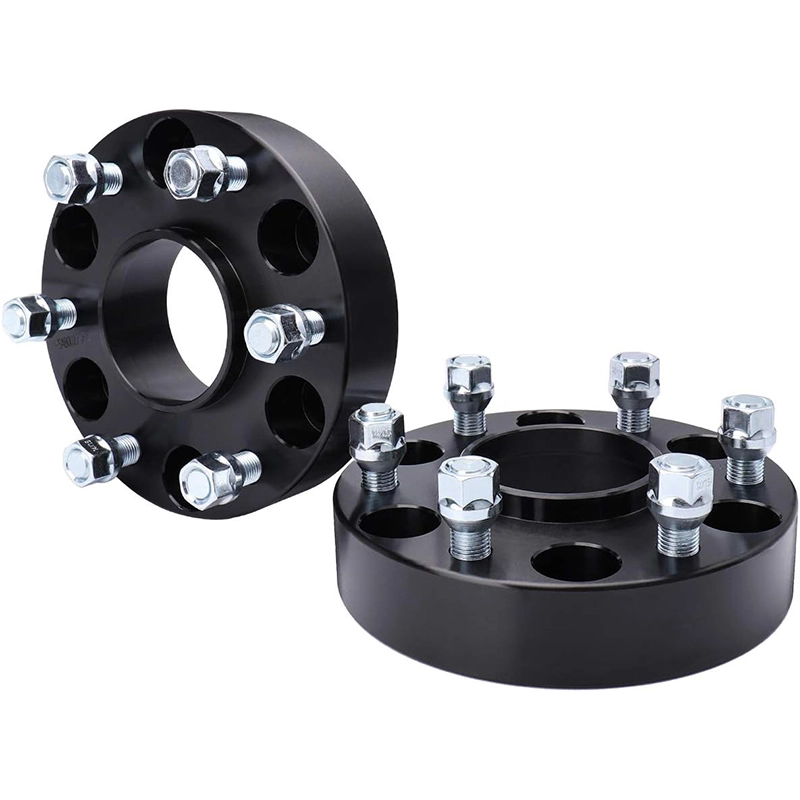
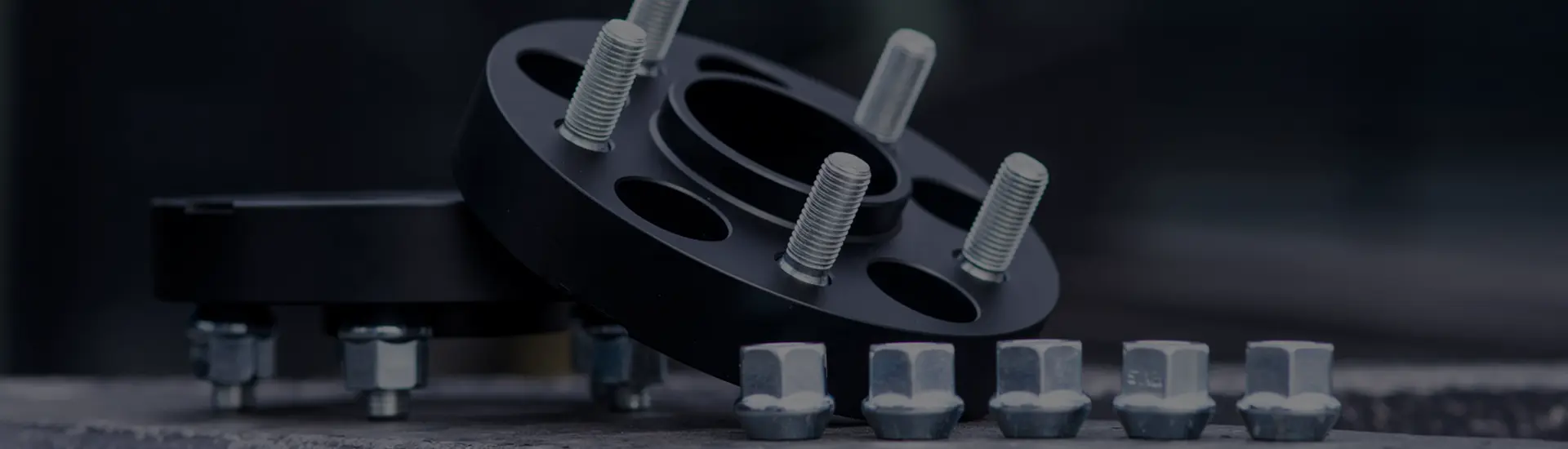

Choosing wheel spacer adapters involves more than pushing a wheel outward for appearance or clearance. The right part must match hub bore, bolt pattern, stud or bolt hardware, thickness, and load path, while also accounting for changes in track width, scrub radius, steering feel, and bearing stress. This article explains how spacer adapters differ from simple spacers, how to verify fitment on your vehicle, and which measurements matter before buying or installing. You’ll also see the main safety checks that help prevent vibration, fastener failure, and interference with brakes or suspension, so the rest of the guide can focus on informed selection and proper use.
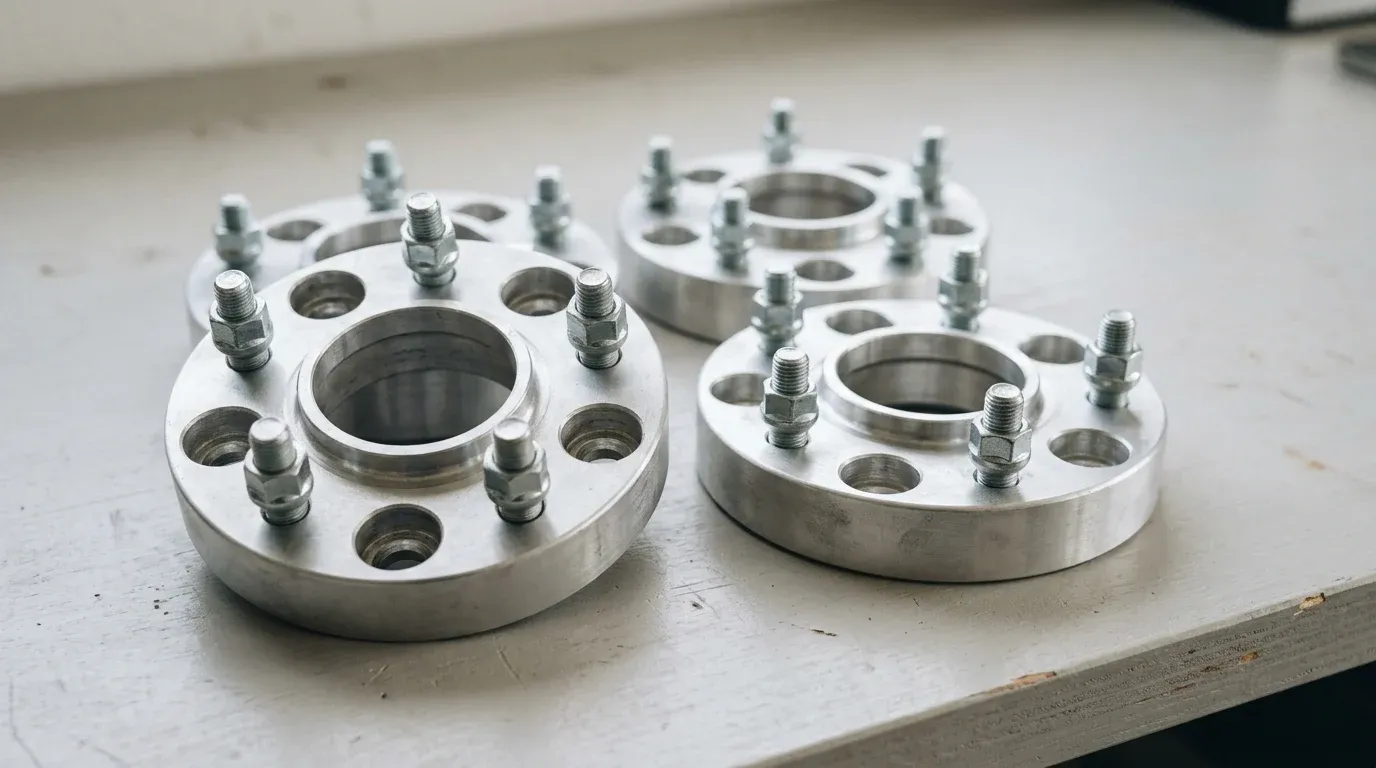
Wheel spacer adapters are critical chassis components designed to modify vehicle suspension geometry and wheel fitment. By physically repositioning the mounting surface of the wheel further away from the vehicle hub, these components alter both the static track width and the dynamic handling characteristics of the vehicle. Additionally, adapter variants can convert the original equipment manufacturer (OEM) bolt pattern to accommodate otherwise incompatible aftermarket wheels.
The installation of wheel spacers directly impacts the vehicle's track width and scrub radius. Increasing the track width by typical intervals of +20mm to +50mm per axle enhances lateral stability by reducing weight transfer during cornering. However, this outward shift simultaneously alters the scrub radius—the distance between the steering axis inclination (SAI) intersection with the ground and the center of the tire contact patch. Pushing the wheel centerline outward typically increases positive scrub radius by 10mm to 25mm. While a wider track width improves roll resistance, an excessive positive scrub radius can increase steering effort, amplify torque steer in front-wheel-drive platforms, and accelerate wear on suspension bushings.
In the aftermarket sector, spacer adapters are primarily used to achieve flush wheel fitments, clear upgraded big brake kits (BBKs), or mount wheels with high positive offsets. For instance, fitting a 6-piston brake caliper often requires a minimum of 15mm of additional spoke clearance, which a precisely machined spacer can provide. In commercial fleet applications, adapters are employed to standardize wheel inventories across mixed vehicle platforms. By converting disparate hub patterns (e.g., 8x165.1 to 8x170) to a uniform specification, fleet managers can reduce tire and wheel inventory overhead while maintaining consistent track widths on high-center-of-gravity utility vehicles.
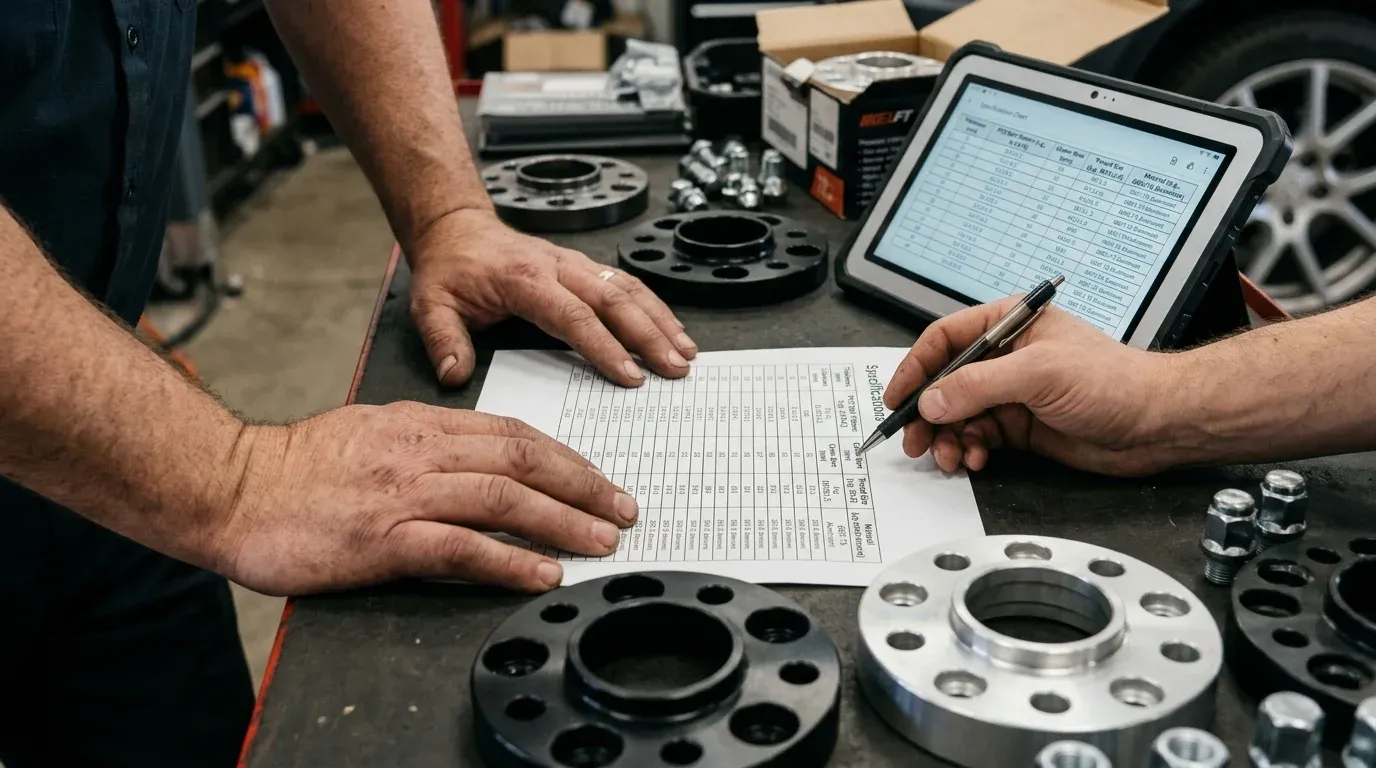
The structural integrity and compatibility of wheel spacer adapters rely entirely on precise dimensional specifications and material properties. Because these components endure immense shear forces and rotational stress, relying on exact engineering specifications rather than approximate measurements is non-negotiable for safe operation.
The four fundamental dimensions of any spacer adapter are the Pitch Circle Diameter (PCD), center bore (CB), thickness, and resulting offset. The PCD must match both the hub and the wheel, though adapter variants can feature dual PCDs (e.g., a 5x114.3 hub to a 5x120 wheel). The center bore must precisely match the vehicle's hub lip—commonly ranging from 54.1mm to 78.1mm—to ensure hub-centric load distribution. Thickness typically spans from 3mm clearance shims to 50mm heavy-duty adapters, directly subtracting from the wheel's original positive offset to determine the final effective offset.
High-quality adapters are predominantly CNC-machined from aerospace-grade aluminum billets, specifically 6061-T6 or 7075-T6 alloys. While 6061-T6 offers adequate performance with a tensile strength of approximately 310 MPa, 7075-T6 provides superior durability at roughly 573 MPa, making it ideal for heavy-duty applications or ultra-thin adapter profiles. Machining tolerances are critical; premium manufacturers maintain runout tolerances of ±0.02mm to prevent high-speed vibration. Surface finishes generally consist of Type II or Type III hard-coat anodizing, which protects the aluminum substrate from galvanic corrosion when mated against steel hubs.
The choice between slip-on spacers and bolt-on adapters dictates the installation method and maximum safe thickness. Slip-on spacers sandwich between the hub and wheel, utilizing the existing wheel studs. Bolt-on adapters secure directly to the hub using low-profile lug nuts, providing a secondary set of studs for the wheel.
| Specification | Slip-on Spacers | Bolt-on Adapters |
| Typical Thickness | 3mm – 12mm | 15mm – 50mm+ |
| Stud Requirement | Requires extended studs if >5mm | Utilizes integrated, pre-pressed studs |
| Pattern Conversion | Cannot change PCD | Can convert PCD (e.g., 5x100 to 5x112) |
| Load Distribution | Relies on hub lip extension | Features proprietary hub-centric rings |
Proper installation protocols and rigorous fitment evaluations are paramount when integrating wheel spacer adapters. Failures in this domain rarely result from material defects; rather, they stem from improper torque application, inadequate thread engagement, or mismatched mating surfaces.
Prior to installation, technicians must thoroughly clean the vehicle hub using a wire brush to remove rust and scale, ensuring a perfectly flat mating surface. The most critical pre-installation check involves verifying thread engagement. Automotive engineering standards mandate a minimum of 6 to 8 full turns of thread engagement for secure fastening. For a common M12x1.5 thread pitch, this equates to at least 12mm of engagement, while an M14x1.5 stud requires approximately 14mm to safely secure the clamping load.
Improper fitment introduces several severe risks. Lug-centric spacers—which rely solely on the lug studs rather than the hub lip for centering—frequently cause high-frequency vibrations at speeds exceeding 60 mph. Another prevalent risk is fastener loosening caused by thermal cycling and initial seating; thus, re-torquing all fasteners after the initial 50 to 100 miles is mandatory. Galvanic corrosion between the steel hub and aluminum spacer can cause the components to fuse, which is mitigated by applying a highly controlled, thin layer of anti-seize compound strictly to the hub face, never to the fastener threads. Finally, suspension interference must be checked at full steering lock and maximum suspension compression to ensure the wider track does not cause the tire to strike the fender or inner liners.
Regulatory compliance significantly influences the legality of wheel spacer adapters. In stringent jurisdictions, such as Germany under TÜV regulations, track width modifications are heavily restricted; increasing the track width by more than 2% typically requires extensive structural testing and specialized certification. In motorsport environments, many sanctioning bodies prohibit slip-on spacers exceeding 5mm unless accompanied by certified extended wheel studs, and some strictly forbid bolt-on adapters due to the hidden nature of the inner lug nuts during pit inspections. Fleet operators must also weigh liability considerations, as unauthorized modifications to track width can void OEM axle warranties.
Sourcing wheel spacer adapters requires evaluating manufacturing origin, quality control processes, and the balance between volume pricing and structural reliability. Given the critical safety nature of the product, procurement managers must prioritize supplier transparency and verified metallurgical data.
Assessing supplier capability begins with verifying ISO 9001:2015 certifications and requesting documented material test reports (MTRs) to confirm alloy composition. Capable suppliers should operate multi-axis CNC machinery and utilize Coordinate Measuring Machines (CMM) to validate the ±0.02mm runout tolerances. Furthermore, buyers should request documentation on stud quality; pre-pressed studs must meet ISO 898-1 Class 10.9 or 12.9 tensile strength standards, ensuring they can withstand repeated torque cycles without stretching or shearing.
In B2B procurement, Minimum Order Quantities (MOQs) for custom CNC-machined adapters typically range from 100 to 500 sets per SKU, depending on the complexity of the PCD and center bore specifications. Lead times for offshore production generally span 30 to 45 days, exclusive of freight transit. For distributors, private labeling is a common practice, with suppliers offering custom laser etching of brand logos and torque specifications directly onto the anodized surface. Sales channels are predominantly segmented into direct-to-consumer performance retailers, specialized off-road outfitters, and commercial fleet suppliers.
The market for wheel spacers is highly stratified by price and corresponding quality. Budget-tier products often sacrifice material integrity and precision, leading to severe safety risks, whereas premium tiers invest heavily in certified materials and hub-centric engineering.
| Market Tier | Price Range (per pair) | Material & Manufacturing | Key Characteristics |
| Entry-Level | $20 – $45 | Cast aluminum or unverified billet | Lug-centric, non-anodized, Class 8.8 studs. High vibration risk. |
| Mid-Range | $60 – $110 | Forged 6061-T6 Aluminum | Hub-centric, Type II anodized, Class 10.9 studs. Suitable for street use. |
| Premium/Race | $130 – $250+ | Forged 7075-T6 Aluminum | Hub-centric with precise lip, Type III hard anodized, Class 12.9 studs, FEA tested. |
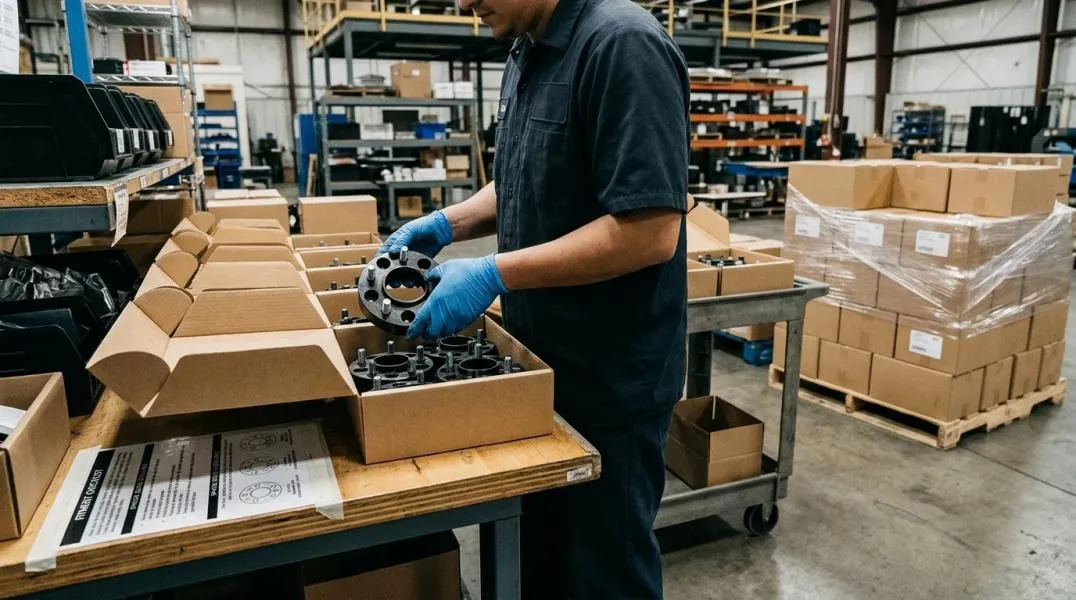
Implementing a rigorous selection framework ensures that the chosen wheel spacer adapters meet the mechanical requirements of the vehicle without compromising safety margins. A systematic approach prevents costly fitment errors and mitigates premature wear on surrounding chassis components.
The selection process follows a strict sequential order. First, technicians must measure the existing fender gap and caliper clearance to determine the exact thickness required; for example, if a brake caliper requires 12mm of clearance, a 15mm spacer provides a safe 3mm buffer. Second, the user must identify the vehicle's exact hub diameter and select a strictly hub-centric adapter to match. Third, the required thread pitch and stud length must be verified. If a slip-on spacer exceeding 5mm is selected, the procurement of corresponding extended wheel studs is mandatory. Finally, the effective offset must be calculated to ensure the scrub radius remains within acceptable limits for the specific steering rack.
Balancing performance enhancements against compliance and budget constraints requires evaluating the total cost of ownership. While aggressive offsets exceeding 25mm per side yield a pronounced aesthetic and wider stance, they exponentially increase the leverage applied to wheel bearings, potentially reducing bearing lifespan by 30% to 50%. Fleet managers and enthusiasts alike must weigh the initial cost of premium 7075-T6 adapters against the long-term savings realized by avoiding bearing replacements and mitigating the catastrophic risks associated with fastener failure. Ultimately, prioritizing certified materials and hub-centric designs ensures that the operational benefits of wheel spacer adapters are fully realized without compromising vehicular safety.
· The most important conclusions and rationale for Wheel Spacer Adapters
· Specs, compliance, and risk checks worth validating before you commit
· Practical next steps and caveats readers can apply immediately
A spacer mainly pushes the wheel outward while keeping the same bolt pattern. An adapter also changes the bolt pattern, such as 5x114.3 to 5x120, while adding thickness.
Match four specs exactly: hub bolt pattern, wheel bolt pattern, center bore, and thickness. Then confirm the new effective offset and fender, brake, and suspension clearance before ordering.
Use slip-on spacers for small clearance changes, typically 3mm to 12mm, and only with proper stud engagement. Use bolt-on adapters for 15mm+ thickness or any bolt-pattern conversion.
Yes. They widen track width and can improve stability, but they also increase scrub radius. Too much thickness may raise steering effort, torque steer, and wear on bearings and suspension parts.
Choose hub-centric, CNC-machined adapters in 6061-T6 or 7075-T6 aluminum, verify exact fitment, torque hardware to spec, and re-torque after the first 50 to 100 miles.