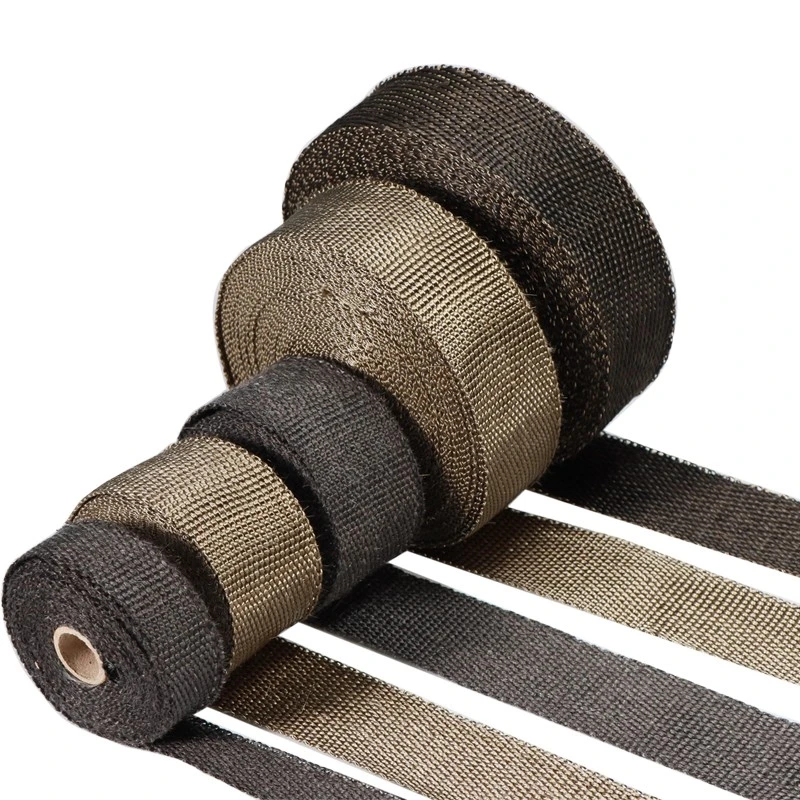

Exhaust wraps are essential for improving the performance of your vehicle, providing heat resistance, and enhancing safety. Among various types of exhaust wraps, fiberglass exhaust wrap is one of the most popular choices. But what exactly makes it stand out? In this article, we will explore the numerous benefits of using fiberglass exhaust wrap, how to install it, and why J&W Automotive Parts is your trusted partner for high-quality automotive parts.
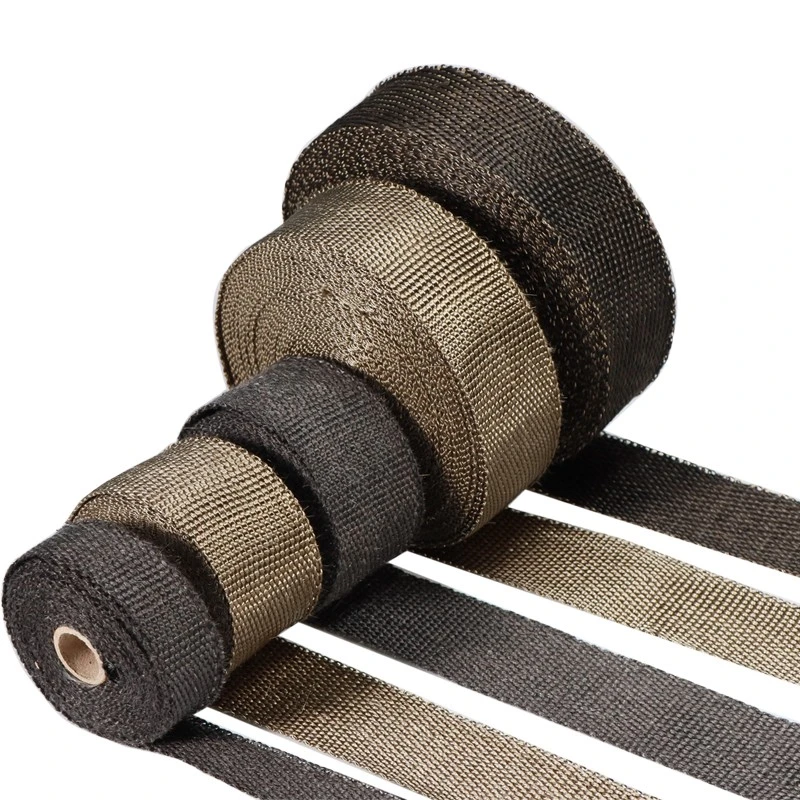
Fiberglass exhaust wraps are designed to protect exhaust components and improve vehicle performance. By wrapping the exhaust system with fiberglass material, you reduce heat loss, enhance the flow of gases, and prevent damage to surrounding components. In addition, the wrap can help increase horsepower, improve fuel efficiency, and provide safety benefits by reducing heat exposure. This article covers everything you need to know about fiberglass exhaust wraps, from their benefits to proper installation and maintenance tips.
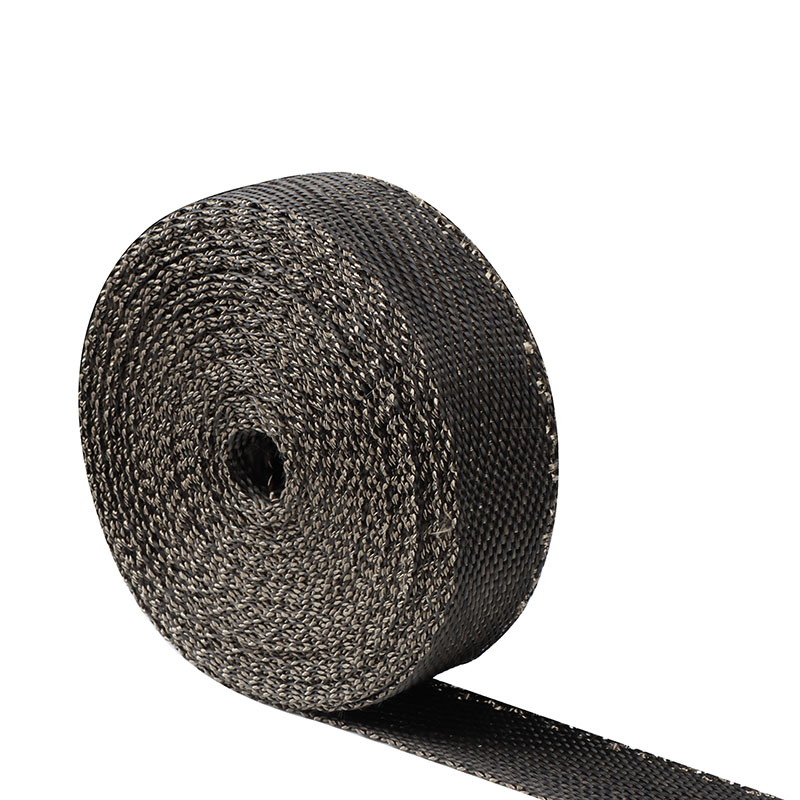
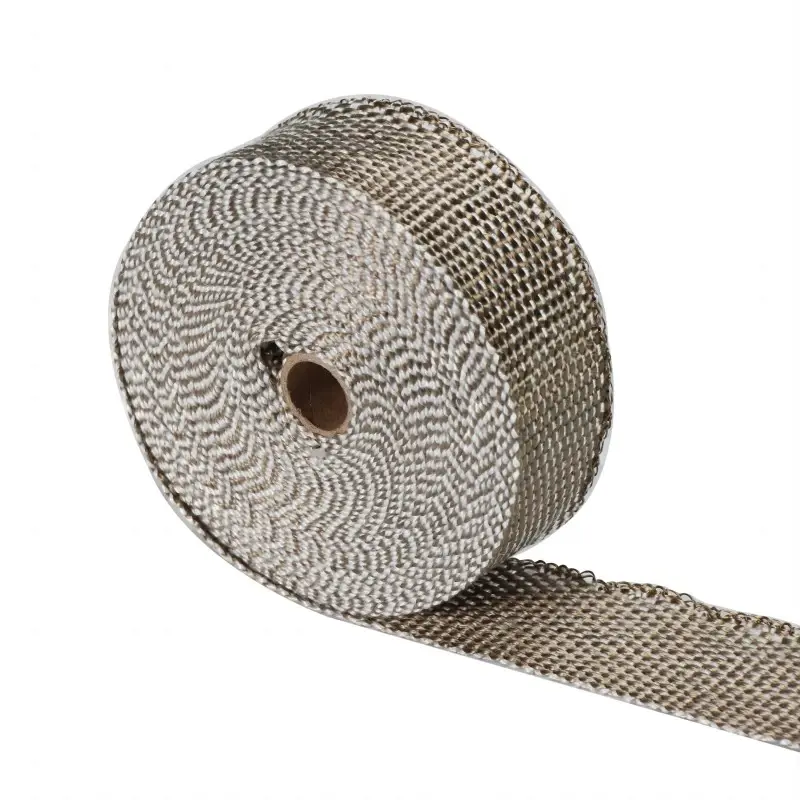
Fiberglass exhaust wrap is a high-performance material used to wrap the exhaust pipes of your vehicle. It is made of tightly woven fiberglass fibers that are resistant to high temperatures and thermal expansion. When installed on the exhaust system, the wrap retains heat inside the pipes and prevents it from radiating to other engine components. This helps maintain higher exhaust gas temperatures, which can improve engine efficiency and performance.
Fiberglass exhaust wrap provides numerous advantages for your vehicle. Below are the main benefits:
Installing fiberglass exhaust wrap is relatively simple, but it requires careful attention to detail. Here’s a step-by-step guide:
Once installed, make sure to check the wrap periodically to ensure it stays in place and remains intact. You can also use a protective spray to prolong the life of the wrap.
To maximize the effectiveness and lifespan of your fiberglass exhaust wrap, regular maintenance is essential. Here are some tips:
Both materials offer excellent heat resistance, but titanium wrap is typically more durable and can withstand higher temperatures. However, fiberglass wrap is often more cost-effective and still provides excellent performance for most vehicles.
Yes, fiberglass exhaust wrap can be used on a variety of vehicles, including cars, trucks, motorcycles, and race cars. It’s important to ensure that the wrap is suitable for the temperatures your vehicle’s exhaust system will generate.
The lifespan of fiberglass exhaust wrap depends on usage and environmental factors. On average, it can last 1-2 years before needing replacement, but with proper maintenance, it can last longer.
Yes, fiberglass exhaust wrap can be installed by most vehicle owners. It’s a relatively simple process, but make sure to follow the installation instructions carefully to ensure proper fitment and performance.
If you are interested in purchasing high-quality fiberglass exhaust wraps or need help with installation, feel free to reach out to us at J&W Automotive Parts. We offer a wide range of automotive products designed to improve vehicle performance and safety. Our expert team is here to assist you with all your automotive needs. Contact us today!