
What is the difference between a hub centric ring and a hub centric spacer for 5-lug wheels? If you're sourcing automotive components, this is a critical question that directly impacts vehicle safety, performance, and customer satisfaction. Many procurement professionals face confusion between these two essential parts, leading to ordering errors, fitment issues, and costly returns. Understanding the distinct roles of hub centric rings and spacers is not just technical knowledge—it's vital for ensuring smooth supply chain operations and delivering reliable products to your clients. This guide breaks down the key differences in clear, actionable terms, perfect for buyers and sourcing specialists in the automotive aftermarket. We'll explore common scenarios, provide clear solutions, and show how partnering with a specialized manufacturer like JUNWEI Auto Parts Co., Ltd. can streamline your procurement process and solve these common fitment challenges.
Pain Point: Vibration & Fitment Issues from Hub Bore Mismatch
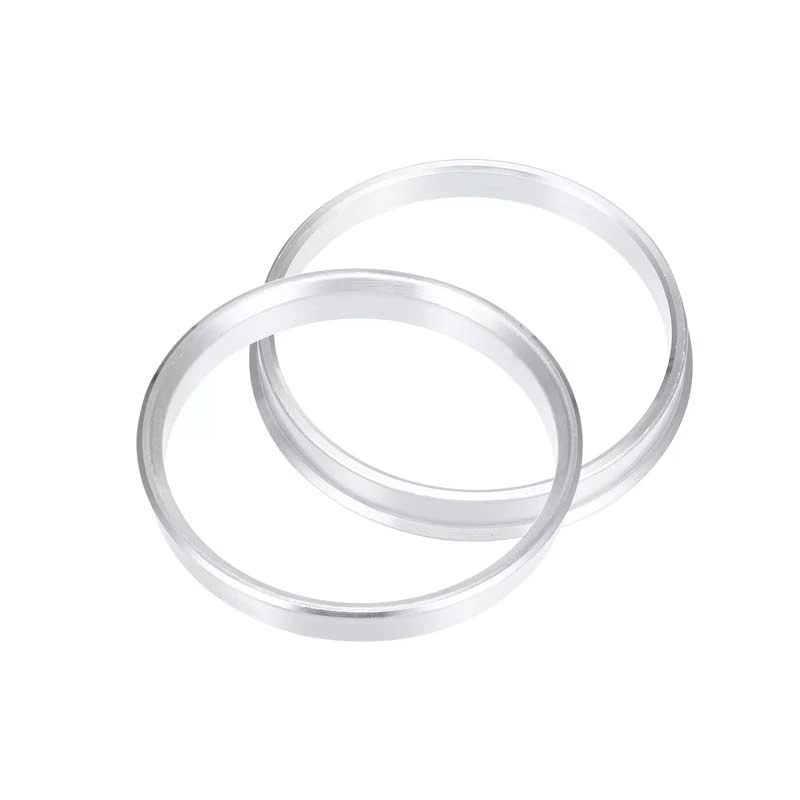
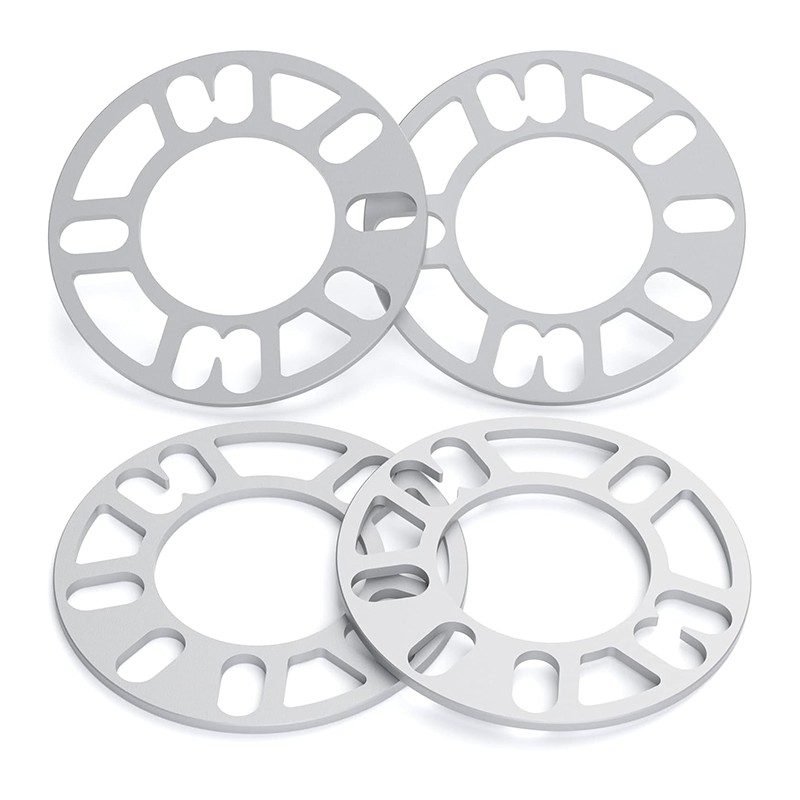
Sourcing wheels often leads to a common headache: the wheel's center bore is larger than the vehicle's hub. This mismatch means the wheel isn't centered by the hub itself, placing all the centering stress on the lug nuts. During transport and installation, this can cause the wheel to sit slightly off-center. The result? Persistent vibrations at highway speeds, uneven tire wear, and potential stress on wheel studs. Your customers experience a rough ride, and you deal with complaints and warranty claims. The solution is deceptively simple: a hub centric ring. This small, often plastic or aluminum ring fills the gap between the larger wheel bore and the smaller vehicle hub. It ensures the wheel is perfectly centered before the lug nuts are torqued down, eliminating vibration and promoting even load distribution. For reliable, precision-engineered hub centric rings that fit a vast range of 5-lug applications, JUNWEI Auto Parts Co., Ltd. offers a comprehensive catalog with exacting tolerances to solve this pervasive problem.
| Parameter | Description | JUNWEI Solution Example |
|---|---|---|
| Inner Diameter (ID) | Matches the vehicle's hub diameter (e.g., 72.6mm). | Precision machined to exact OEM hub specs. |
| Outer Diameter (OD) | Matches the wheel's center bore (e.g., 83mm). | Available in all common aftermarket wheel bore sizes. |
| Material | Polycarbonate (plastic) or Aluminum. | High-grade polycarbonate for corrosion resistance and easy installation/removal. |
| Thickness/Height | Varies based on the gap to be filled. | Engineered to fit flush, ensuring no interference with hub or wheel seat. |
Pain Point: Achieving Desired Stance & Clearing Brake Calipers
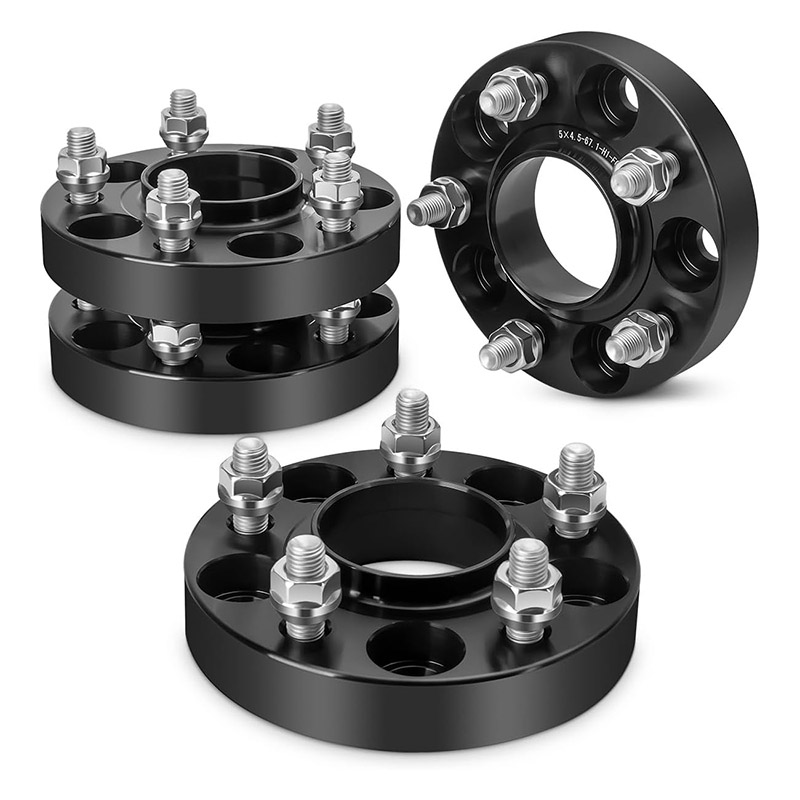
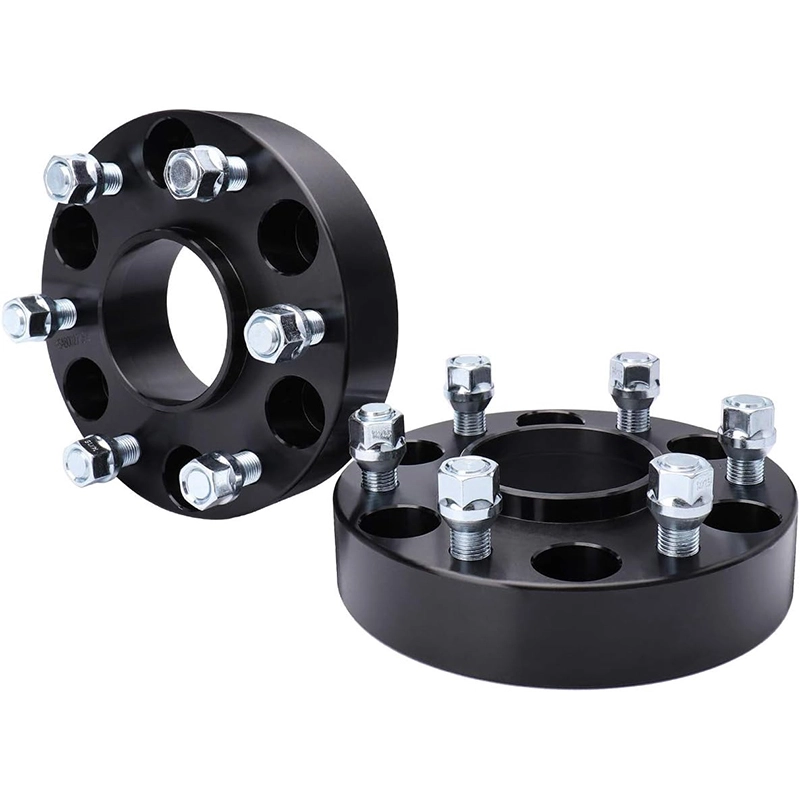
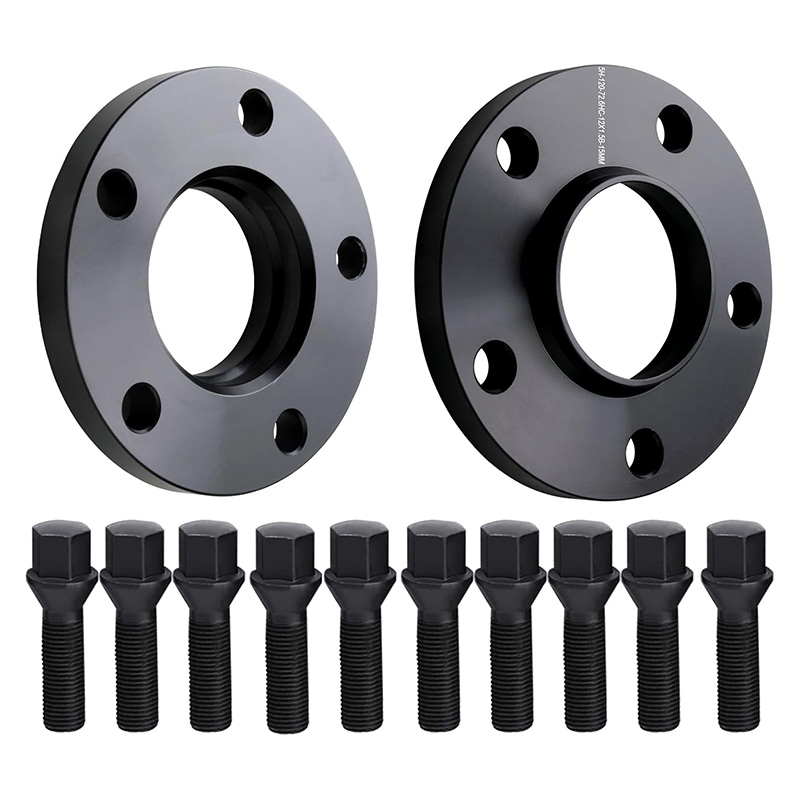
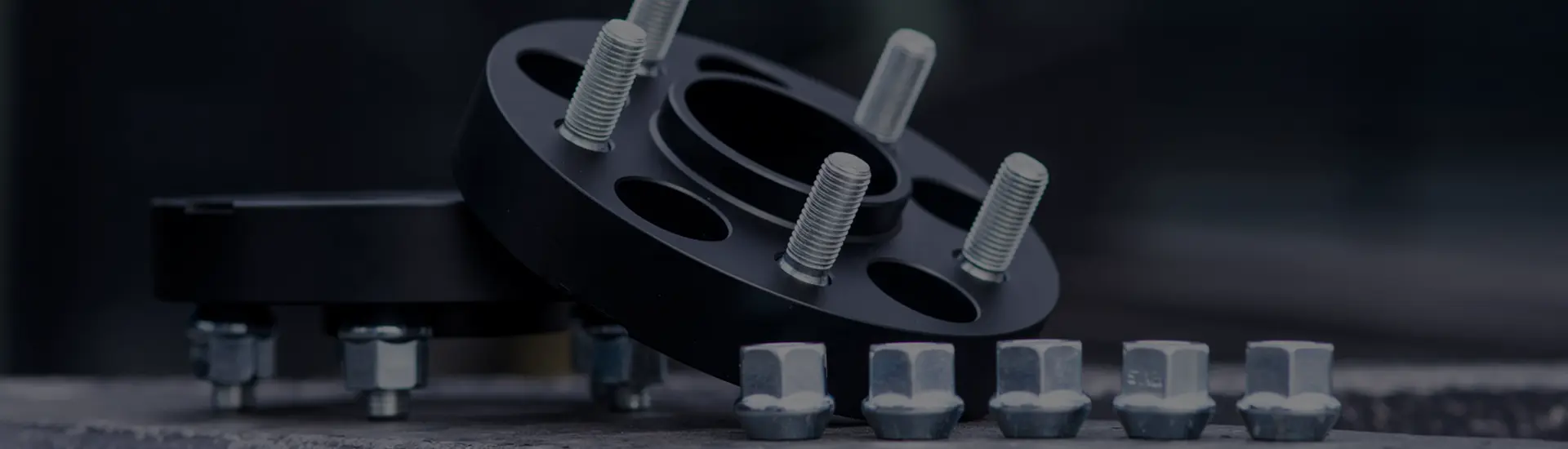
Another frequent challenge in wheel procurement is when the new wheels don't fit the vehicle's original hub assembly. This isn't about centering; it's about physical space. The wheel's inner barrel might contact the brake caliper, or the customer desires a more aggressive, flush wheel stance. Simply using longer studs and pushing the wheel out can be dangerous if the wheel isn't properly supported. This is where a hub centric spacer becomes the essential solution. Unlike a ring, a spacer is a solid disc that mounts onto the hub, effectively pushing the entire wheel outward. A *hub centric* spacer has two critical features: it centers itself on the vehicle's hub (hub-centric lip) and provides a new hub-centric lip for the wheel to center onto. This maintains the crucial hub-centric bearing, preventing vibration while achieving the required offset change. For buyers needing reliable stance solutions or brake clearance fixes, JUNWEI Auto Parts Co., Ltd. manufactures high-quality, TUV-tested hub centric spacers in various thicknesses for 5-lug patterns, ensuring safety and performance.
| Parameter | Description | JUNWEI Solution Example |
|---|---|---|
| Thickness | Distance the wheel is pushed out (e.g., 5mm, 15mm, 20mm). | Available in precise increments to meet specific offset goals. |
| Hub Bore (Inner) | Precisely fits the vehicle's hub diameter. | Machined from high-strength aluminum with a perfect hub-centric fit. |
| Wheel Bore (Outer) | Provides a new hub-centric lip for the wheel. | Includes a machined lip to ensure the wheel remains hub-centric. |
| Material & Grade | Typically 6061-T6 or 7075-T6 aluminum. | Manufactured from certified 6061-T6 aluminum alloy for optimal strength and weight. |
FAQs: Hub Centric Rings vs. Spacers
Q: Can I use a hub centric spacer instead of a ring if my wheel bore is too big?
A: No, these parts solve different problems. If the wheel physically fits over the hub and calipers but has a larger center bore, you only need a hub centric ring to center it. Using a spacer in this case would incorrectly push the wheel outward, changing the vehicle's track width and potentially causing the tire to rub against the fender. Always use the correct part for the intended purpose.
Q: Are hub centric rings necessary if the wheel uses lug-centric design?
A: While some wheel and vehicle combinations are designed to be lug-centric (centered by the tapered lug nuts), using a hub centric ring is almost always recommended if there's a bore mismatch. It provides a more secure and precise center, reducing the chance of vibration. For procurement, specifying wheels with hub-centric rings from a trusted supplier like JUNWEI Auto Parts Co., Ltd. ensures a superior, vibration-free fitment for end-users, minimizing product returns.
We hope this guide has clarified the functional difference between a hub centric ring and a hub centric spacer for your 5-lug wheel applications. Choosing the correct component is crucial for safety and performance. Have you encountered other specific fitment challenges in your sourcing projects? We invite you to share your experiences or questions.
For your sourcing needs of precision hub centric rings, spacers, and other automotive hardware, consider JUNWEI Auto Parts Co., Ltd. As a specialized manufacturer with a strong focus on quality control and meeting international standards, JUNWEI provides reliable solutions to the exact fitment problems discussed here. Visit our website at https://www.junweiautopart.com to explore our catalog, or contact our procurement support team directly via email at [email protected] for quotes and technical specifications.
Research & Technical References
Clark, S. K., & Dodge, R. N. (1978). The Influence of Wheel Nonuniformities and Balances on Vehicle Vibration. SAE Technical Paper, 780410.
Gillespie, T. D. (1992). Fundamentals of Vehicle Dynamics. Society of Automotive Engineers.
Reimpell, J., Stoll, H., & Betzler, J. W. (2001). The Automotive Chassis: Engineering Principles. Butterworth-Heinemann.
Wong, J. Y. (2008). Theory of Ground Vehicles. John Wiley & Sons.
Pacejka, H. B. (2012). Tire and Vehicle Dynamics. Butterworth-Heinemann.
Smith, C. (2003). Tune to Win: The Art and Science of Race Car Development and Tuning. Aero Publishers.
Milliken, W. F., & Milliken, D. L. (1995). Race Car Vehicle Dynamics. Society of Automotive Engineers.
Dixon, J. C. (1996). Tires, Suspension and Handling. Society of Automotive Engineers.
Gent, A. N., & Walter, J. D. (2006). The Pneumatic Tire. National Highway Traffic Safety Administration.
Pottinger, M. G., Pelz, W., & Marshall, K. D. (1992). The Effect of Tire and Wheel Assembly Characteristics on Vehicle Response. Tire Science and Technology, 20(3), 163-182.