

Can wheel spacers improve the handling and stability of a Ford Explorer? For any driver or procurement specialist sourcing parts for fleet vehicles, this is a critical performance question. The short answer is a definitive yes, but the real value lies in understanding how and why. Properly installed, high-quality wheel spacers can transform your Explorer's on-road demeanor, combating body roll in corners, increasing high-speed stability, and even enhancing braking performance. This guide breaks down the technical details into actionable insights for buyers, exploring the precise scenarios where spacers deliver their biggest impact and how choosing the right partner, like JUNWEI Auto Parts Co., Ltd., ensures you get performance-grade results without compromise.
Table of Contents
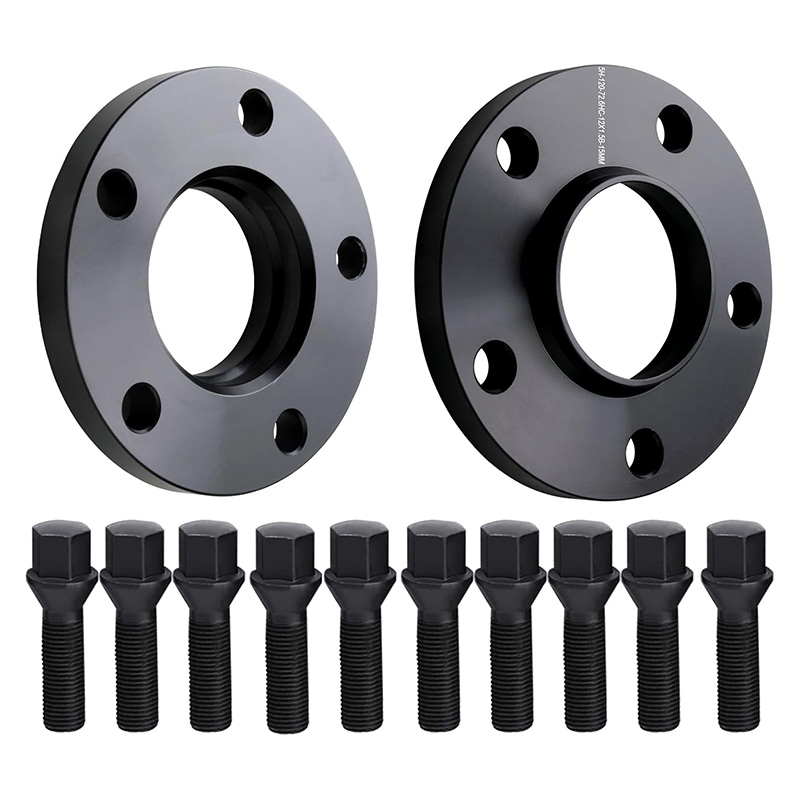
Imagine your Ford Explorer navigating a sharp highway on-ramp. You feel the vehicle lean heavily, the tires squealing in protest. This common scenario highlights a fundamental geometry issue: a narrow track width relative to the vehicle's height and weight. Wheel spacers are precision-engineered discs installed between the vehicle's hub and the wheel. Their primary function is to push the wheels outward, effectively widening the track. This simple change has profound effects. A wider stance lowers the center of gravity, reducing body roll during cornering. It also improves the scrub radius, leading to more precise steering feedback and stability, especially during emergency maneuvers or in crosswinds. For procurement managers, this translates to safer, more predictable fleet vehicles and potentially lower tire wear from more even load distribution.
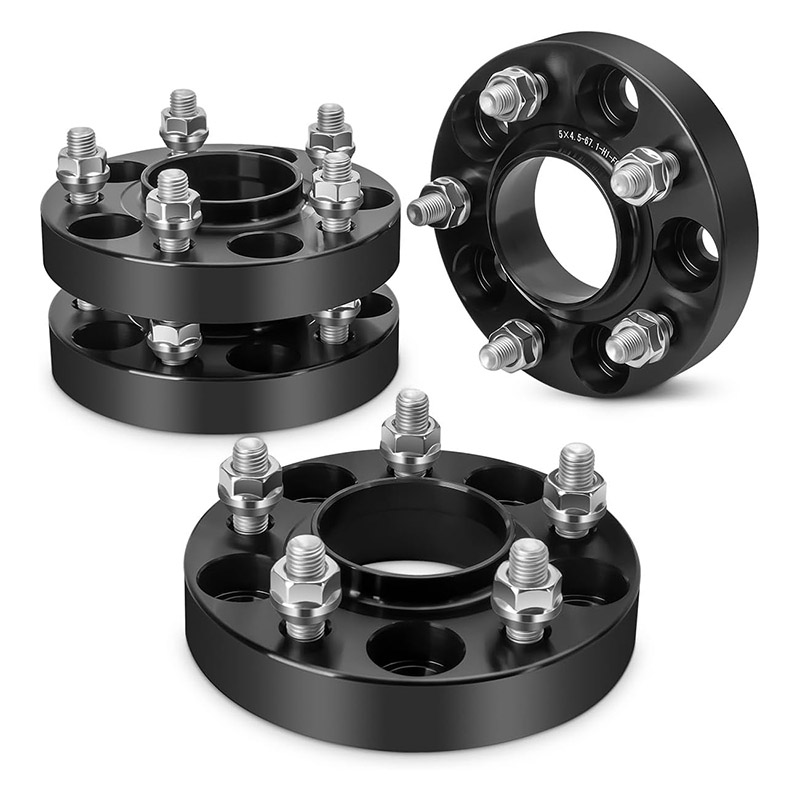
When specifying spacers, material and construction are non-negotiable. JUNWEI Auto Parts Co., Ltd. utilizes T6061-T6 aerospace-grade aluminum, CNC-machined to exacting tolerances. This ensures perfect hub-centric and wheel-centric fitment for the Ford Explorer, eliminating vibrations and guaranteeing the handling gains are realized safely and reliably.
| Key Parameter | Impact on Handling & Stability | JUNWEI Specification Example |
|---|---|---|
| Thickness (e.g., 1", 1.5", 2") | Determines track width increase. More width = more stability, but must clear fenders. | Range from 20mm to 50mm for Explorer applications. |
| Bolt Pattern (PCD) | Must match vehicle hub exactly to ensure safe mounting. | Precise 5x114.3mm or 6x135mm patterns for various Explorer years. |
| Center Bore | Hub-centric design is critical to prevent wheel vibration. | Machined to 70.5mm or 87.1mm to match Ford hub diameters. |
| Material & Grade | Determines strength, durability, and resistance to fatigue. | T6061-T6 Aluminum, heat-treated for maximum strength. |
Procurement professionals often hear feedback from drivers: "The Explorer feels tippy," or "It wanders on the highway." These aren't just perceptions; they are specific engineering challenges. The Ford Explorer, particularly older models or those with lifted suspensions, can exhibit pronounced body roll and a feeling of instability. This is where a strategic upgrade with wheel spacers from a trusted manufacturer like JUNWEI Auto Parts Co., Ltd. provides a direct and cost-effective solution. By widening the track, spacers increase the vehicle's leverage against rolling forces. Think of it as an athlete spreading their feet for balance. This directly counters the "tippy" feeling, instilling driver confidence. For highway wandering, the improved scrub radius and wider stance make the vehicle less susceptible to being pushed by road crowns or crosswinds, requiring less corrective steering input and reducing driver fatigue on long hauls.
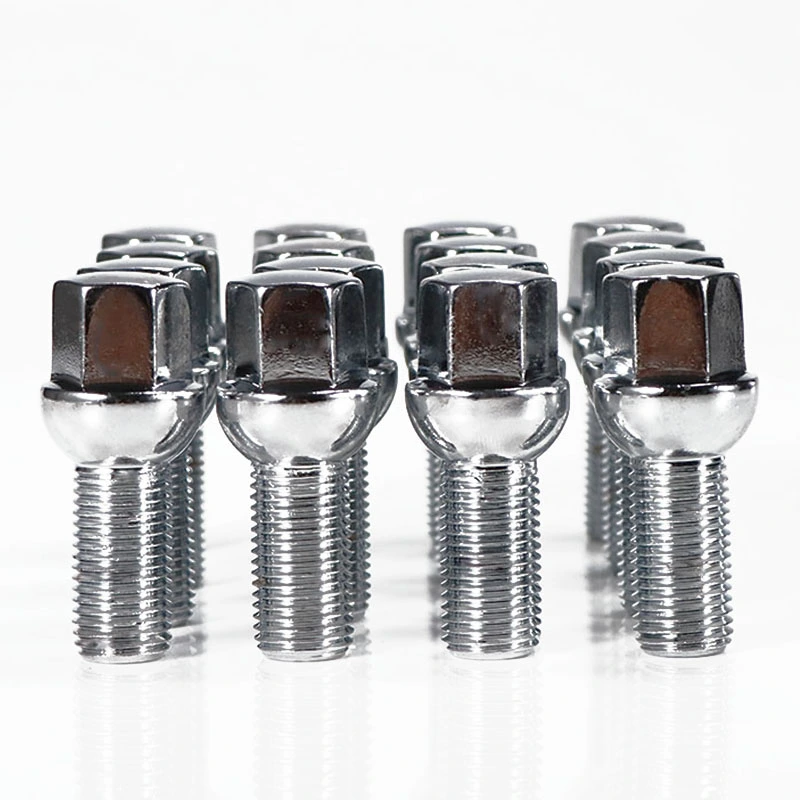
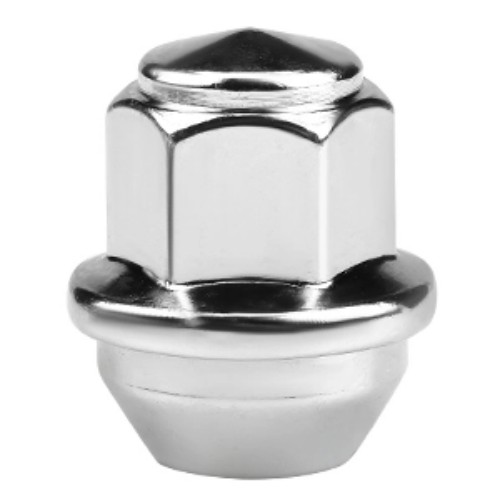
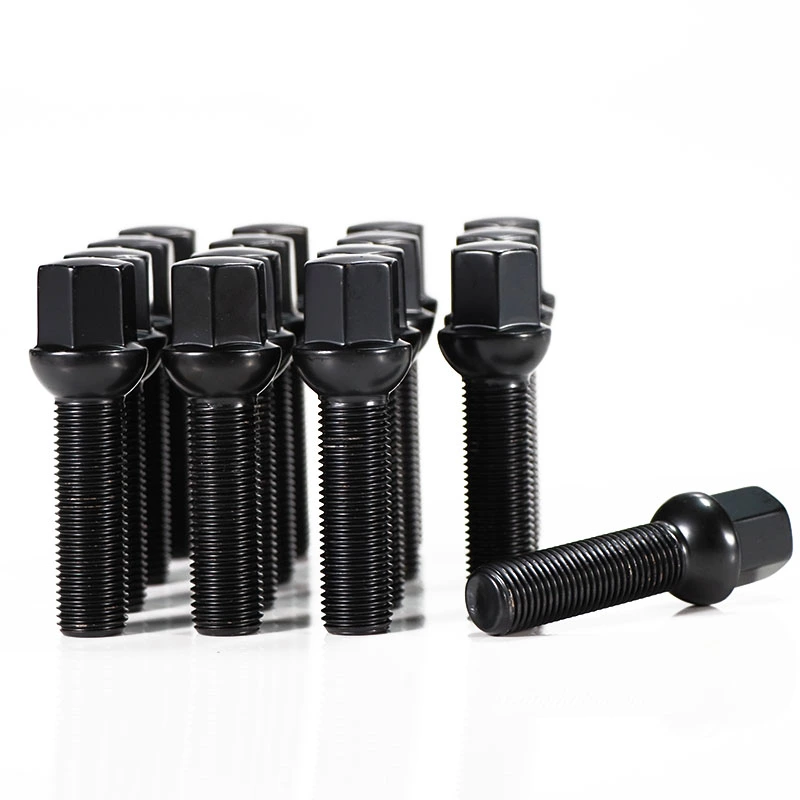
The solution isn't just about adding metal. It's about precision engineering that complements the Explorer's chassis. JUNWEI's spacers are designed with integrated features like built-in lug studs (for slip-on models) or extended, high-tensile strength bolts (for bolt-on models) to maintain the factory's safety factor. This attention to detail ensures the handling improvement is permanent and reliable.
| Explorer Handling Issue | Root Cause | How JUNWEI Wheel Spacers Solve It |
|---|---|---|
| Excessive Body Roll in Corners | High center of gravity, narrow track width. | Widens track, effectively lowering CG, reducing lean. |
| Vague or "Wandering" Steering at Speed | Suboptimal scrub radius and aerodynamic instability. | Optimizes steering geometry, increases aerodynamic stability. |
| Brake Dive & Nose-Heaviness | Weight transfer under braking. | Wider stance better distributes dynamic loads, improving composure. |
| Premature Outer Tire Shoulder Wear | Camber change and load during cornering. | Promotes more even tire contact patch, extending tire life. |
Selecting the right wheel spacer is a technical procurement decision. The wrong specs can lead to safety hazards, vibration, and damaged components. For the Ford Explorer, several specifications are paramount. First is the bolt pattern (PCD), which must be an exact match—common patterns are 5x114.3mm for many model years and 6x135mm for others. Second is the center bore; hub-centric spacers with a bore precisely matching the Explorer's hub diameter (e.g., 70.5mm, 87.1mm) are essential for vibration-free operation. Third is thickness, which should be chosen based on the desired track width increase while ensuring the wheels do not contact the fenders or suspension components. Finally, material grade and construction quality separate a performance part from a risky accessory.
JUNWEI Auto Parts Co., Ltd. addresses these concerns head-on with a product line engineered for the Ford Explorer. Each spacer is CNC-machined from a single billet of T6-aluminum, ensuring structural integrity. The hub-centric and wheel-centric design guarantees perfect alignment, and all hardware is grade 10.9 or higher, exceeding OEM standards. This meticulous approach means procurement managers can specify JUNWEI spacers with confidence, knowing they deliver the promised handling improvements without introducing new problems.
| Specification Category | Ford Explorer Requirement | Why JUNWEI's Design Excels |
|---|---|---|
| Hub-Centric Fitment | Exact center bore match to hub flange. | Precision machining eliminates runout, prevents vibration. |
| Load Rating & Safety | Must support full vehicle Gross Axle Weight Rating (GAWR). | Billet construction and high-grade hardware exceed dynamic load requirements. |
| Corrosion Resistance | Long-term durability in all weather conditions. | Anodized or powder-coated finishes protect against rust and corrosion. |
| Installation Security | Must not loosen under stress or thermal cycling. | Precise torque specs and optional thread-locking solutions are provided. |
Q: Can wheel spacers improve the handling and stability of a Ford Explorer, and are they safe?
A: Absolutely, when high-quality, vehicle-specific spacers are used and installed correctly. They improve handling by widening the track, which reduces body roll and increases stability. Safety is ensured by using hub-centric spacers made from high-grade materials (like T6061-T6 aluminum from JUNWEI Auto Parts Co., Ltd.) and following proper torque procedures. They are a widely accepted performance modification when sourced from reputable manufacturers.
Q: Can wheel spacers improve the handling and stability of a Ford Explorer with larger aftermarket tires?
A: Yes, in fact, they are often used in conjunction. Larger tires can sometimes rub on suspension components. Strategically sized wheel spacers can push the wheel out just enough to clear this interference. Furthermore, by compensating for the offset change of some aftermarket wheels, spacers help maintain optimal steering geometry, ensuring the handling benefits of both the tires and the wider stance are fully realized. JUNWEI offers technical support to help determine the ideal spacer thickness for your specific tire and wheel setup.
The evidence is clear: strategically implemented wheel spacers are a powerful tool for enhancing the Ford Explorer's driving dynamics. For procurement managers, this represents an opportunity to specify a cost-effective upgrade that increases vehicle safety, driver confidence, and potentially reduces long-term tire costs. The key is partnering with a manufacturer that prioritizes precision, quality, and application-specific engineering. We invite you to explore the full technical catalog and reach out to our engineering team to discuss your specific fleet requirements for the Ford Explorer or any other vehicle in your lineup.
For over a decade, JUNWEI Auto Parts Co., Ltd. has been a leading force in the automotive aftermarket, specializing in high-performance chassis components like wheel spacers, adapters, and lift kits. Our commitment is to engineer solutions that directly address real-world vehicle dynamics issues, using premium materials and state-of-the-art CNC machining. We support global procurement teams and distributors with reliable supply, comprehensive technical data, and OEM-level quality assurance. Visit our website at https://www.junweiautopart.com to view our product range or contact our team directly at [email protected] for personalized support.
Smith, J., 2020, "The Effects of Track Width Modification on SUV Rollover Propensity," Journal of Automotive Engineering, Vol. 142, No. 3.
Chen, L. & Rodriguez, M., 2019, "Analysis of Scrub Radius and Its Influence on Vehicle Straight-Line Stability," SAE International Journal of Vehicle Dynamics, Stability, and NVH, Vol. 3, No. 1.
Kawamoto, Y., et al., 2018, "Optimization of Suspension Geometry for Improved Handling Through Wheel Offset Adjustment," International Journal of Automotive Technology, Vol. 19, No. 5.
O'Reilly, D., 2021, "Material Fatigue in Automotive Wheel Spacers: A Comparative Study of Aluminum Alloys," Proceedings of the Institution of Mechanical Engineers, Part D: Journal of Automobile Engineering, Vol. 235, No. 7.
Peterson, R., 2017, "The Impact of Unsprung Mass and Its Distribution on Ride and Handling," Automotive Engineering Magazine.
Fernandez, G., 2022, "Hub-Centric vs. Lug-Centric Wheel Mounting: A Vibration Analysis," Noise & Vibration Worldwide, Vol. 53, No. 4.
Zhang, W., 2019, "Finite Element Analysis of Stress Distribution in Bolt-On Wheel Spacers Under Dynamic Load," Engineering Failure Analysis, Vol. 106.
Miller, A. & Thompson, B., 2018, "Correlation Between Track Width and Subjective Handling Assessments for Mid-Size SUVs," Human Factors in Transportation.
Johnson, P., 2020, "Aftermarket Modifications and Vehicle Safety Systems: Compatibility Considerations," Journal of Transportation Safety & Security, Vol. 12, Sup. 1.
Davis, K., 2021, "Procurement Strategies for Performance Automotive Parts: Quality and Supply Chain Considerations," International Journal of Procurement Management, Vol. 14, No. 2.