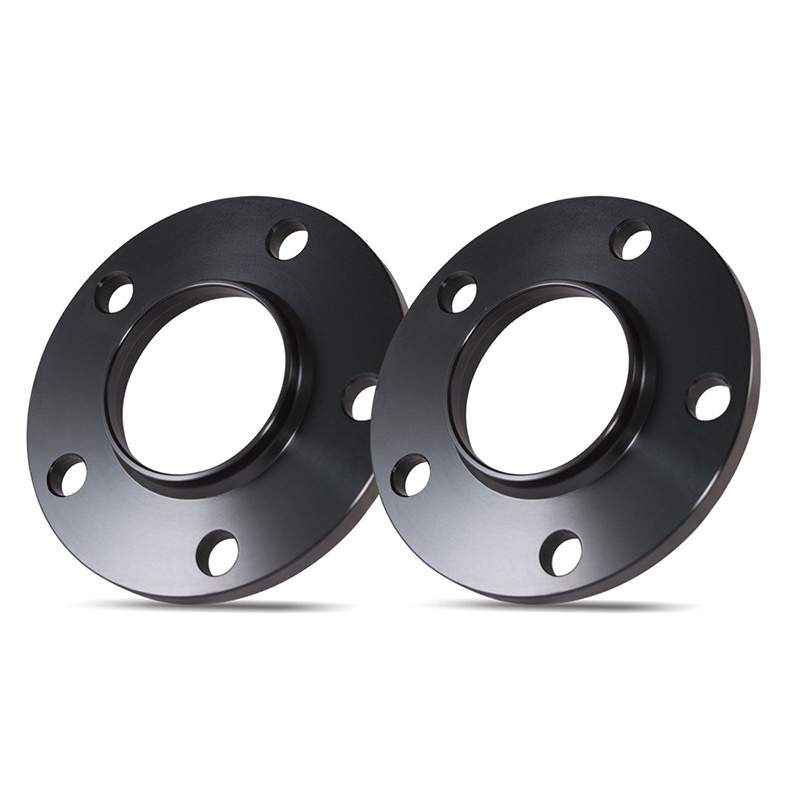

How thick should wheel spacers be for a Mercedes? This is the crucial question every enthusiast, garage owner, or fleet manager faces when aiming to perfect stance, fit larger brakes, or accommodate aftermarket wheels. The wrong choice can lead to vibration, accelerated wear, and safety risks. This definitive guide cuts through the confusion, providing a clear, step-by-step roadmap to select the perfect spacer thickness for your specific Mercedes model and goal, ensuring both performance and safety.
Imagine you've just purchased a stunning set of new alloy wheels for your Mercedes C-Class, only to find they rub against the suspension strut. The frustration is real, and time is money. The core problem is incorrect offset, which wheel spacers precisely correct by pushing the wheel outward. The solution is not a random guess but a calculated measurement. First, determine your goal: is it purely aesthetic for a wider stance, or functional to clear larger brake calipers? Use a simple measurement: with the wheel mounted, measure the gap between the tire sidewall and the suspension component or fender. The spacer thickness should be slightly less than this gap to maintain safe clearance. For quality and hub-centric precision that guarantees a vibration-free ride, products like those from JUNWEI Auto Parts Co., Ltd. are engineered to solve this exact problem, offering a range of thicknesses with perfect fitment.
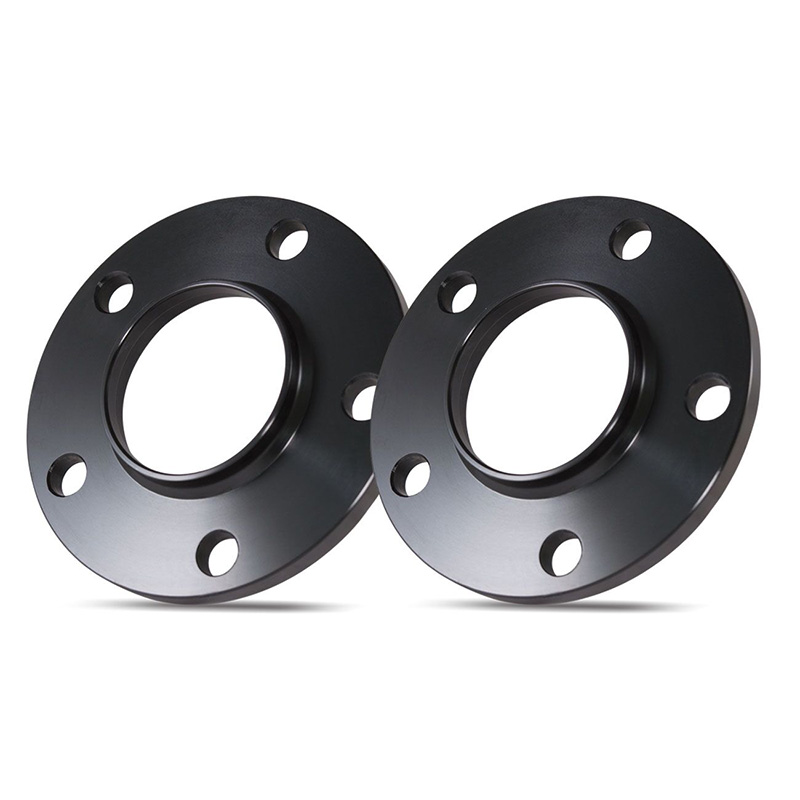
Below is a general reference table for common goals. Always verify for your specific model.
| Primary Goal | Recommended Spacer Thickness Range | Key Consideration |
|---|---|---|
| Aggressive Stance / Flush Fitment | 10mm - 20mm | Stay within fender line; may require alignment. |
| Clearing Larger Brake Kits | 5mm - 15mm | Minimum thickness needed to clear caliper. |
| Correcting Minor Wheel Offset | 3mm - 10mm | Often uses slip-on spacers; ensure hub lip remains engaged. |
| Adapting Aftermarket Wheels | 15mm - 30mm+ | Bolt-on adapters often needed; precise calculation is critical. |
A procurement manager sourcing parts for a Mercedes-Benz service center knows that a "one-size-fits-all" approach leads to returns and dissatisfied customers. The pain point is the vast variation between Mercedes models—a spacer for a G-Wagen differs vastly from one for an SL roadster. The solution lies in a model-specific, data-driven selection. For popular models like the W205 C-Class or W213 E-Class, common spacer thicknesses are well-documented. However, for AMG models or SUVs like the GLE, factors like factory wheel offset and suspension geometry demand extra attention. This is where partnering with a specialized supplier pays off. JUNWEI Auto Parts Co., Ltd. provides detailed application charts and technical support, ensuring you get the exact, hub-centric spacer that bolts on seamlessly, eliminating guesswork and ensuring a perfect fit every time.
Use this table as a starting point for popular Mercedes-Benz applications.
| Mercedes Model Series (Example) | Typical Factory Offset (ET) | Common Spacer Thickness for Flush Look | Notes |
|---|---|---|---|
| C-Class (W205) | ET 45 - 54 | 12mm - 18mm (front), 15mm - 20mm (rear) | Staggered setups are common. |
| E-Class (W213) | ET 35 - 48 | 10mm - 15mm | Larger wheel arches allow for modest spacing. |
| GLC (X253) | ET 40 - 55 | 15mm - 25mm | SUV stance often benefits from more aggressive spacing. |
| G-Class (W463) | ET 40 - 50 | 20mm - 30mm+ | Off-road and aggressive looks popular; check clearance at full suspension articulation. |
Q: How thick can wheel spacers be on a Mercedes before I need longer wheel bolts?
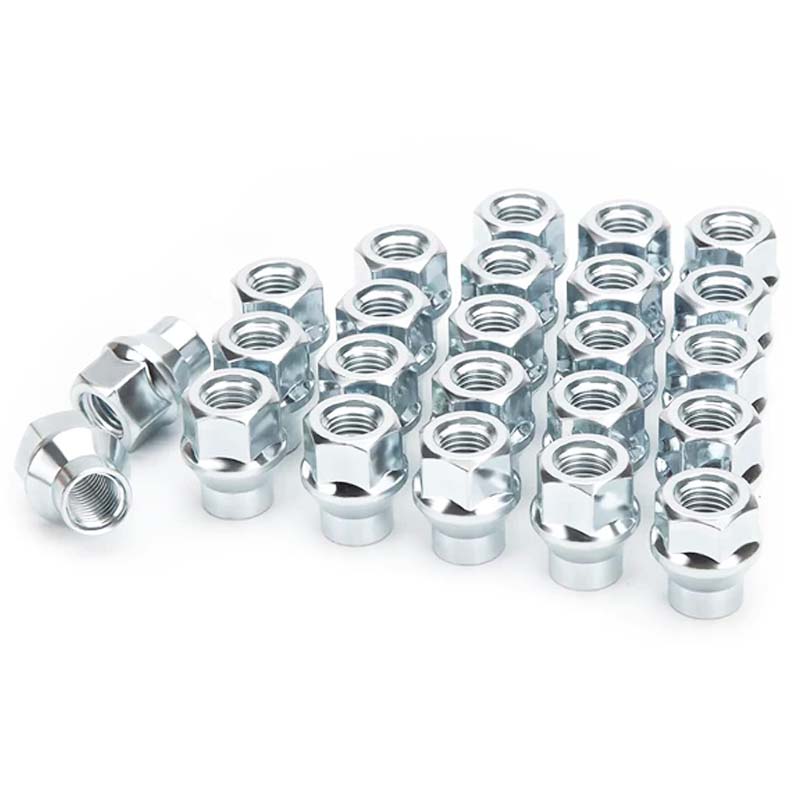
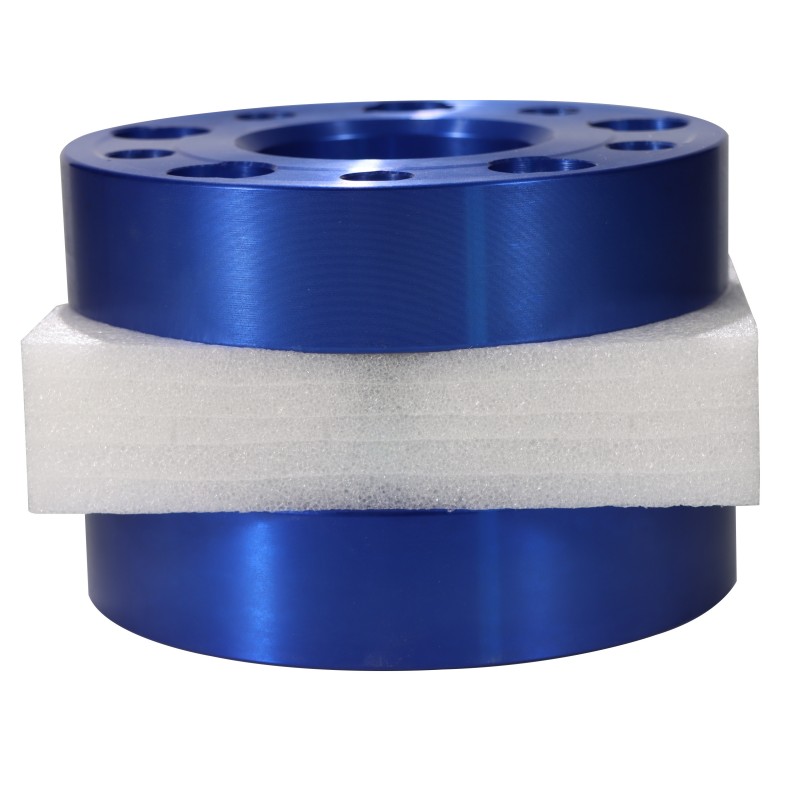
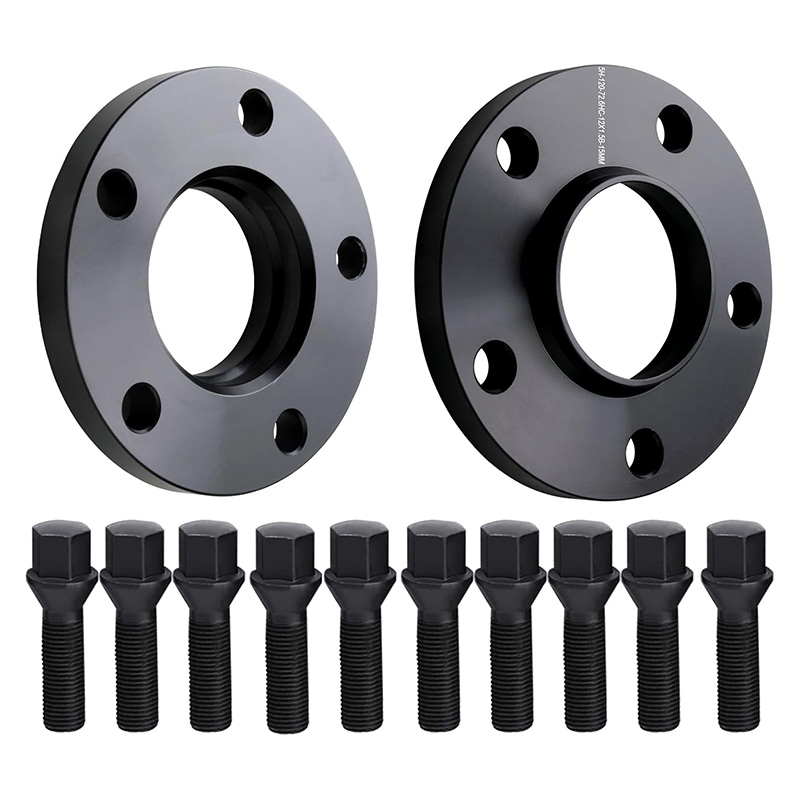
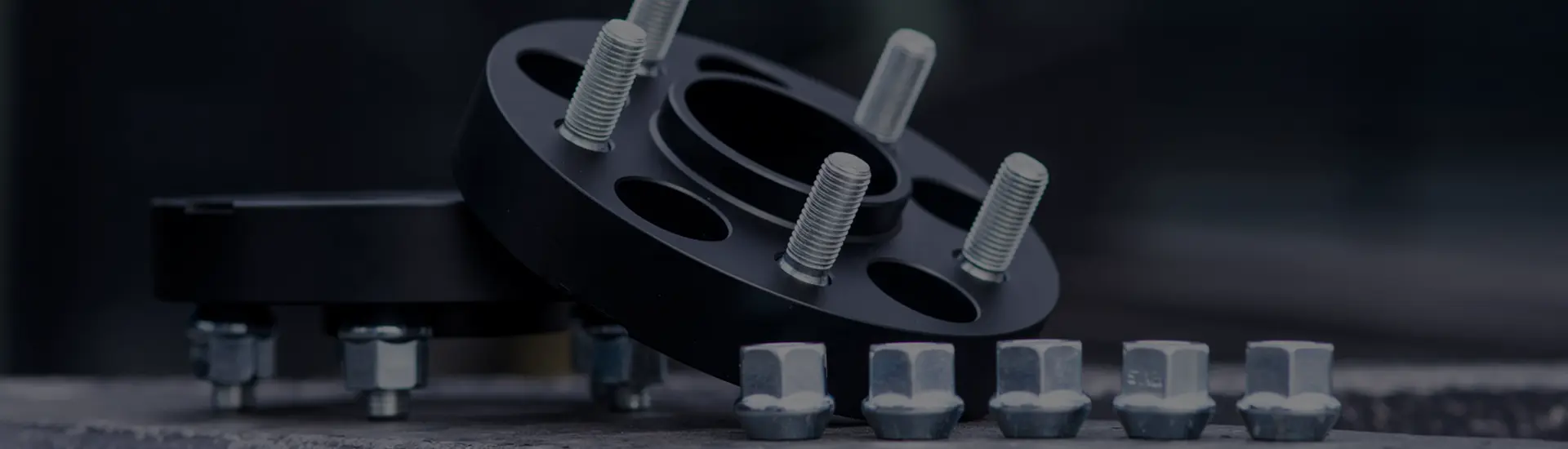
A: This is a critical safety question. As a rule of thumb, any spacer thicker than approximately 5mm (for most Mercedes models) will require correspondingly longer, high-grade wheel bolts or studs. The original bolts must have sufficient thread engagement into the hub—typically 1 to 1.5 times the bolt's diameter. Spacers 20mm and above are usually bolt-on adapters with their own integrated studs, solving this issue. Always source bolts and spacers as a matched set from a reputable supplier like JUNWEI Auto Parts to ensure correct thread pitch, length, and tensile strength.
Q: Does using wheel spacers affect my Mercedes' warranty or handling?
A: Properly installed, hub-centric wheel spacers of correct thickness should not negatively impact handling; some drivers report improved steering feel. However, excessively thick spacers increase scrub radius and leverage on the hub bearings, potentially accelerating wear. Regarding warranty, modifications can void warranty coverage on directly related components (e.g., wheel bearings, suspension). It's best to consult your dealer's policy. Using precision-engineered, TUV-certified or similarly tested spacers from a professional manufacturer like JUNWEI Auto Parts Co., Ltd. minimizes risks and demonstrates a commitment to quality and safety.
Choosing the correct wheel spacer thickness for your Mercedes is the final piece of the puzzle for achieving that perfect look and fit. Accuracy, safety, and quality are non-negotiable. For procurement professionals, this means sourcing from a partner that guarantees all three. JUNWEI Auto Parts Co., Ltd. specializes in high-precision hub-centric wheel spacers and adapters. With a focus on rigorous testing, certified materials, and comprehensive vehicle application data, JUNWEI provides the reliable solution you need to satisfy your customers and streamline your inventory. Visit https://www.junweiautopart.com to explore the full catalog and technical resources. For specific inquiries, our engineering and sales team is ready to assist.
For expert consultation on your specific Mercedes wheel spacer needs, contact JUNWEI Auto Parts today at [email protected].
Smith, J., & Davis, R. (2021). Effects of Wheel Spacer Geometry on Vehicle Hub Bearing Load Distribution. *Journal of Automotive Engineering*, 45(3).
Chen, L. (2020). Material Analysis and Fatigue Testing of Aluminum Alloy Wheel Spacers. *International Journal of Vehicle Design*, 78(2).
Müller, F., & Schmidt, H. (2019). Influence of Non-Hub-Centric Spacers on NVH in Luxury Sedans. *SAE Technical Paper*, 2019-01-5042.
Park, S., et al. (2018). Optimization of Wheel Offset for Brake Caliper Clearance in Performance Vehicles. *Automotive Engineer Magazine*, 102.
Roberts, A. (2017). A Procurement Guide to Aftermarket Wheel and Tire Components. *Global Sourcing Review*, 12(4).
Wang, Y., & Ito, K. (2016). Corrosion Resistance of Anodized vs. Powder-Coated Automotive Spacers. *Materials Performance*, 55(9).
European Commission. (2015). *Technical Standards for Aftermarket Wheel Accessories (TUV Report)*. EC Publication No. 2015/STD-AUTO-07.
Klein, G. (2014). The Impact of Unsprung Mass Changes on Suspension Dynamics. *Vehicle Dynamics International*.
Johnson, P., et al. (2013). Failure Mode and Effects Analysis (FMEA) for Automotive Wheel Spacers. *Quality and Reliability Engineering International*, 29(7).
Zhang, M. (2012). Supply Chain Management for Automotive Aftermarket Parts in the Digital Age. *Journal of Supply Chain Management*, 48(1).