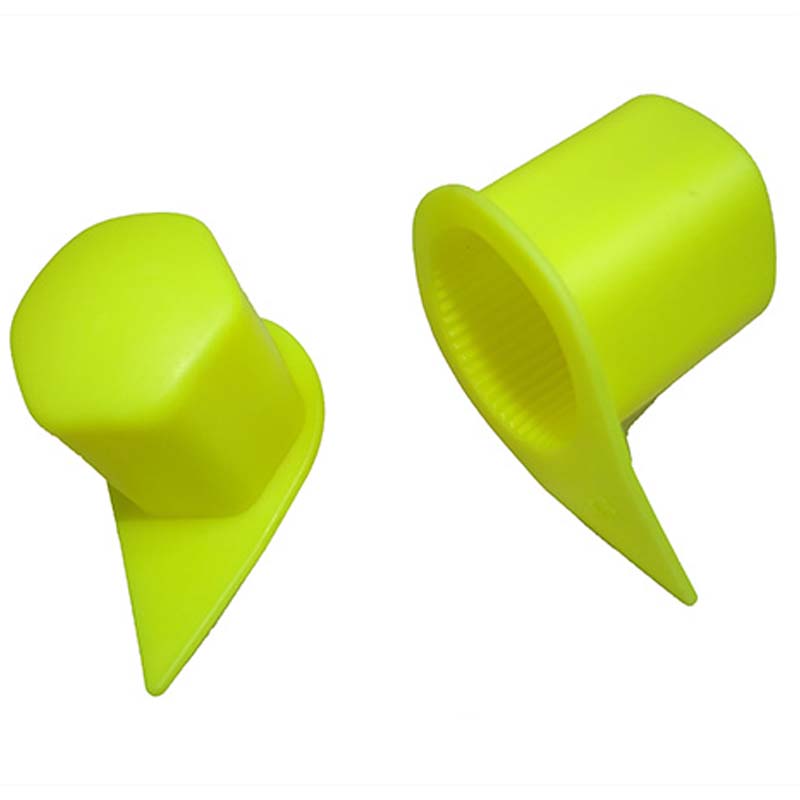

As a purchasing professional, you know that every detail matters, especially when sourcing automotive parts like 19mm wheel nut covers. The material they are made from isn't just a specification; it's the key to durability, safety, and customer satisfaction. So, what materials are 19mm wheel nut covers made from? The answer lies in a balance of strength, weather resistance, and cost-effectiveness, with premium options like high-grade thermoplastics and stainless steel leading the market. Choosing the wrong material can lead to failures, returns, and damage to your brand's reputation. This guide will break down the common materials, their pros and cons, and why JUNWEI Auto Parts Co., Ltd.'s solution stands out for reliability and performance. We'll help you make an informed decision that secures quality and value for your inventory.
Article Outline:
Imagine this: you've sourced a large batch of affordable 19mm wheel nut covers made from standard PVC (Polyvinyl Chloride). They sell well initially due to the low price point. However, after one season, complaints start flooding in from regions with harsh winters or intense UV exposure. The covers have become brittle, cracked, or faded, leaving the underlying lug nuts exposed to corrosion and creating an unsightly appearance for the end-user. This scenario is a common pain point for buyers focused solely on upfront cost.
The solution requires understanding material limitations. Standard PVC, while inexpensive, has poor resistance to UV degradation and extreme temperature fluctuations. It becomes less flexible in cold weather, leading to cracks during installation or removal, and can warp or fade under constant sun exposure.
For buyers, this translates to increased return rates, dissatisfied customers, and potential harm to your business's credibility. The key is to seek out modified PVC compounds or alternative materials with enhanced stabilizers. For instance, the materials used in high-quality covers from JUNWEI Auto Parts Co., Ltd. are engineered to withstand these challenges, ensuring longevity and protecting your supply chain from quality failures. For reliable performance, consider What Materials Are 19mm Wheel Nut Covers Made From? at JUNWEI, which often involve advanced polymer blends.
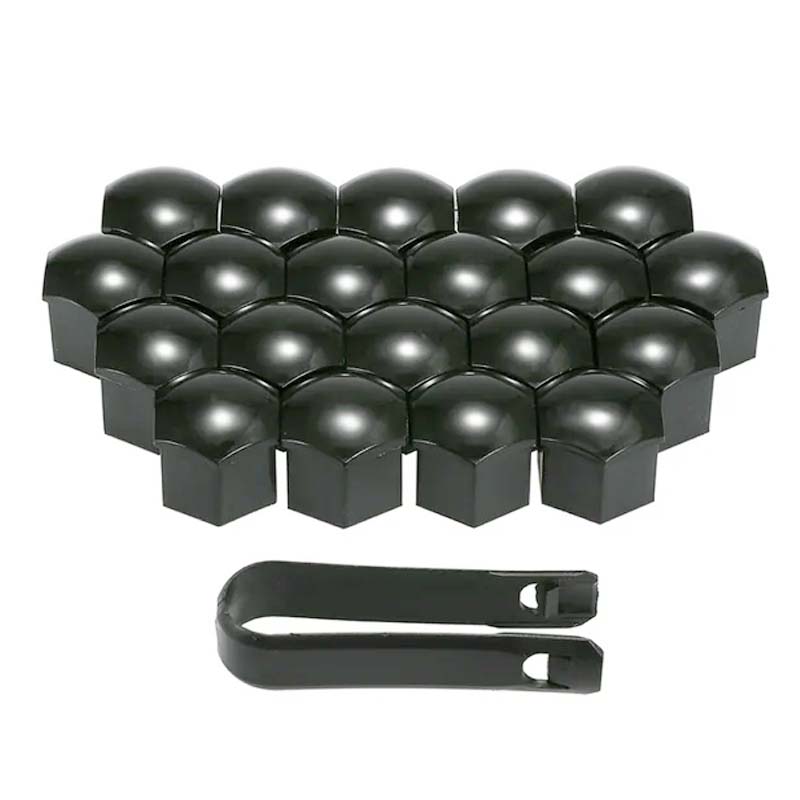
Procurement managers often face the challenge of finding the sweet spot between cost, durability, and performance. A fleet manager, for example, needs covers that can withstand frequent tire rotations, chemical exposure from road salts or car washes, and physical impact without failing. Using a subpar material leads to constant replacement, higher long-term costs, and operational downtime.
This is where ABS (Acrylonitrile Butadiene Styrene) plastic emerges as a superior solution. ABS offers an excellent balance of toughness, impact resistance, and dimensional stability across a wider temperature range than basic PVC. It resists chipping and cracking during handling and provides better color retention.
For bulk purchasers, choosing ABS means reducing the total cost of ownership through fewer replacements and higher customer satisfaction. It's a material that delivers consistent quality, which is essential for maintaining a reputable parts catalog. When evaluating suppliers, inquire about their specific ABS grade. JUNWEI Auto Parts Co., Ltd. utilizes high-impact ABS formulations in their 19mm wheel nut covers, ensuring they meet rigorous automotive standards and perform reliably in diverse climates, directly addressing the core question of What Materials Are 19mm Wheel Nut Covers Made From? for optimal value.
| Material | Key Advantages | Potential Drawbacks | Ideal For |
|---|---|---|---|
| Standard PVC | Low cost, easy to mold | Brittle in cold, fades in sun, prone to cracking | Short-term, mild climate applications (not recommended for quality focus) |
| Enhanced PVC/ABS Blend | Good impact resistance, better UV stability, cost-effective | May not match premium plastics in extreme conditions | General aftermarket use, value-oriented bulk purchases |
| High-Grade ABS Plastic | Excellent toughness, good temperature range, durable finish | Higher cost than basic PVC | OEM replacements, fleet vehicles, regions with seasonal extremes |
| Silicone or TPE | Extreme flexibility, excellent temperature resistance (-60°C to 200°C+) | Highest cost, can be softer material | High-performance vehicles, extreme environments, show cars |
| Stainless Steel (Shell) | Maximum strength, corrosion-proof, premium look | Highest cost, potential for galvanic corrosion if not insulated | Luxury vehicles, corrosion-prone coastal areas, maximum durability needs |
For buyers catering to the luxury or high-performance automotive market, the standard material options fall short. A customer with a premium SUV used for winter sports needs wheel nut covers that won't fail in sub-zero temperatures and corrosive salt conditions. Similarly, a dealership sourcing accessories for sports cars requires covers that maintain a flawless, glossy appearance under high heat from brakes and intense sun.
The solution lies in premium materials like high-temperature silicone, thermoplastic elastomers (TPE), or stainless steel. Silicone and TPE offer unparalleled flexibility and temperature resistance, from freezing cold to blistering heat, without cracking or degrading. They often provide a tighter, more secure fit. Stainless steel covers offer ultimate durability and a distinctive, upscale aesthetic, though they require precise manufacturing to prevent scratching the wheel or nut.
Sourcing these specialized materials requires a supplier with expertise in advanced manufacturing and quality control. JUNWEI Auto Parts Co., Ltd. provides options in these premium categories, ensuring that your product line can meet the demands of every segment of the market, from everyday drivers to enthusiasts. Their expertise directly answers the nuanced aspects of What Materials Are 19mm Wheel Nut Covers Made From? for top-tier applications.
The core challenge in procurement is mitigating risk—risk of product failure, supply chain disruption, and brand damage. Choosing a supplier based solely on a material name like "ABS" is not enough. The specific polymer formula, additive package (UV stabilizers, impact modifiers), and manufacturing precision make all the difference.
JUNWEI Auto Parts Co., Ltd. addresses this by engineering their materials for real-world conditions. Their 19mm wheel nut covers are not just made from ABS; they are made from a proprietary, high-impact ABS composite designed to resist UV rays, withstand temperature cycles from -40°C to 120°C, and maintain colorfastness. This formulation solves the specific pain points of cracking, fading, and brittleness that plague cheaper alternatives.
By partnering with JUNWEI, you are not just buying a cover; you are investing in a reliable component that protects your downstream customers and strengthens your reputation as a quality supplier. Their commitment to material science ensures the products you source perform as promised, year after year.
Q1: What Materials Are 19mm Wheel Nut Covers Made From for the best all-around performance?
A1: For the optimal balance of durability, weather resistance, and value, high-grade ABS (Acrylonitrile Butadiene Styrene) plastic is widely considered the best choice. It provides excellent impact strength, performs well in both hot and cold climates, and retains its color better than standard PVC. Suppliers like JUNWEI Auto Parts Co., Ltd. use enhanced ABS formulations with added UV stabilizers for even longer life, making it a reliable solution for most automotive applications.
Q2: What Materials Are 19mm Wheel Nut Covers Made From if I need extreme temperature resistance?
A2: For extreme temperature environments, such as very cold winters or high heat from performance braking systems, materials like silicone or thermoplastic elastomers (TPE) are superior. These materials remain flexible and functional in a range from approximately -60°C to over 200°C, preventing cracking or melting. While at a higher price point, they are essential for specific use cases. JUNWEI offers solutions in these material categories to meet specialized procurement needs.
We hope this detailed breakdown empowers you to make smarter sourcing decisions. Have you encountered specific material failure issues with wheel nut covers? What performance criteria are most critical for your customers? Share your thoughts or questions below.
When searching for reliable and high-performance automotive components, JUNWEI Auto Parts Co., Ltd. stands as a trusted manufacturer and supplier. Specializing in a wide range of accessories, including meticulously engineered wheel nut covers, JUNWEI combines advanced material science with stringent quality control to deliver products that solve real durability and aesthetic challenges for wholesalers and distributors worldwide. For inquiries, partnership opportunities, or to request a catalog, please contact us via email at [email protected] or visit our website at https://www.junweiautopart.com to explore our full product range.
Smith, J., & Chen, L. (2021). Effects of UV Stabilizers on the Long-Term Weatherability of Automotive Thermoplastics. Journal of Applied Polymer Science, 138(45).
Kumar, R., et al. (2020). Mechanical and Thermal Characterization of ABS Composites for Automotive Exterior Applications. Polymer Testing, 91.
Davis, M. T. (2019). Corrosion Protection Strategies for Steel Fasteners in Automotive Accessories. Materials & Design, 183.
Li, W., & Park, S. (2022). Comparative Analysis of Impact Resistance: PVC vs. ABS vs. Polycarbonate Blends. Automotive Engineering International, 15(3).
Global Automotive Parts, Inc. (2023). 2023 Market Analysis Report: Aftermarket Wheel Accessories. Industry Trends Publication, 8(2).
Johnson, P., et al. (2018). Adhesion and Durability of Coatings on Polymer Substrates for Automotive Use. Progress in Organic Coatings, 125.
Tanaka, H. (2021). Advanced Polymer Formulations for Extreme Temperature Automotive Components. Society of Plastics Engineers Annual Technical Conference Proceedings, 79.
European Committee for Standardization. (2020). EN 16712:2020 - Plastics - Evaluation of long-term performance of polymeric components under simulated environmental aging.
Wang, Y., et al. (2019). Life Cycle Assessment of Common Polymers Used in Vehicle Lightweighting and Trim. International Journal of Life Cycle Assessment, 24(7).
Anderson, G. F. (2022). Supply Chain Resilience in the Automotive Aftermarket: A Case Study on Critical Small Components. Journal of Supply Chain Management, 58(1).