
That's the short version. If you want the rest, keep reading.
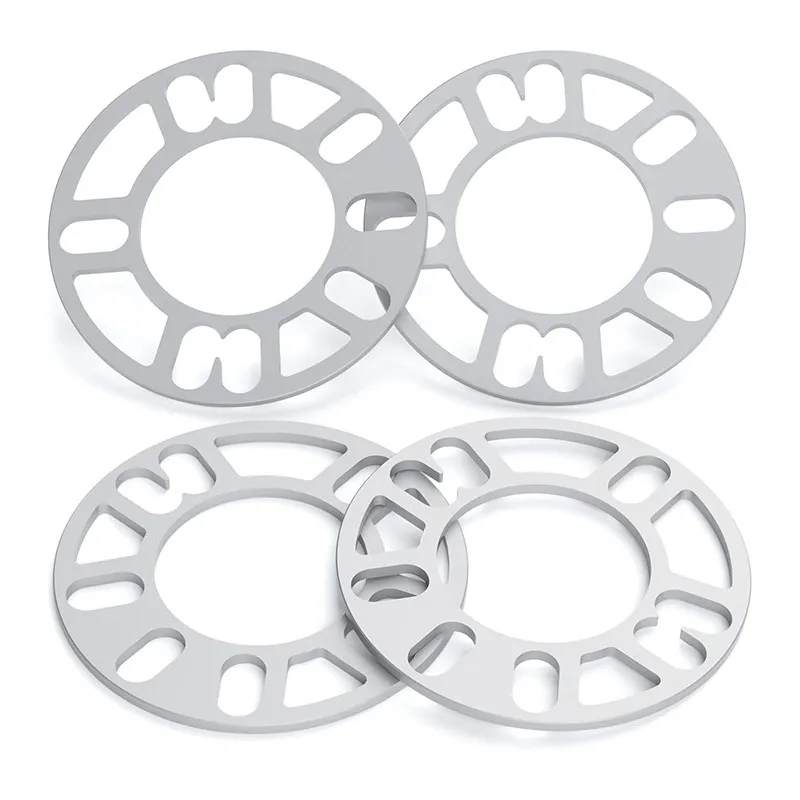
Look, I'll just say it: most of what's written about hub centric wheel spacers online is recycled. Someone wrote a blog post in 2014, twenty other sites paraphrased it, and now everyone's quoting the same Wikipedia-tier explanation. We get tired of seeing it.
So here's a different version. I work at J&W Auto Parts, a forging factory in Ningbo, China. We've been making spacers, lug nuts, and lug bolts since 2009. North America and Europe are our main markets. The stuff below is what we actually tell our own distributors when they ask "okay but what's the difference, really?"
Let's get into it.
What Is a Hub Centric Wheel Spacer, Really?
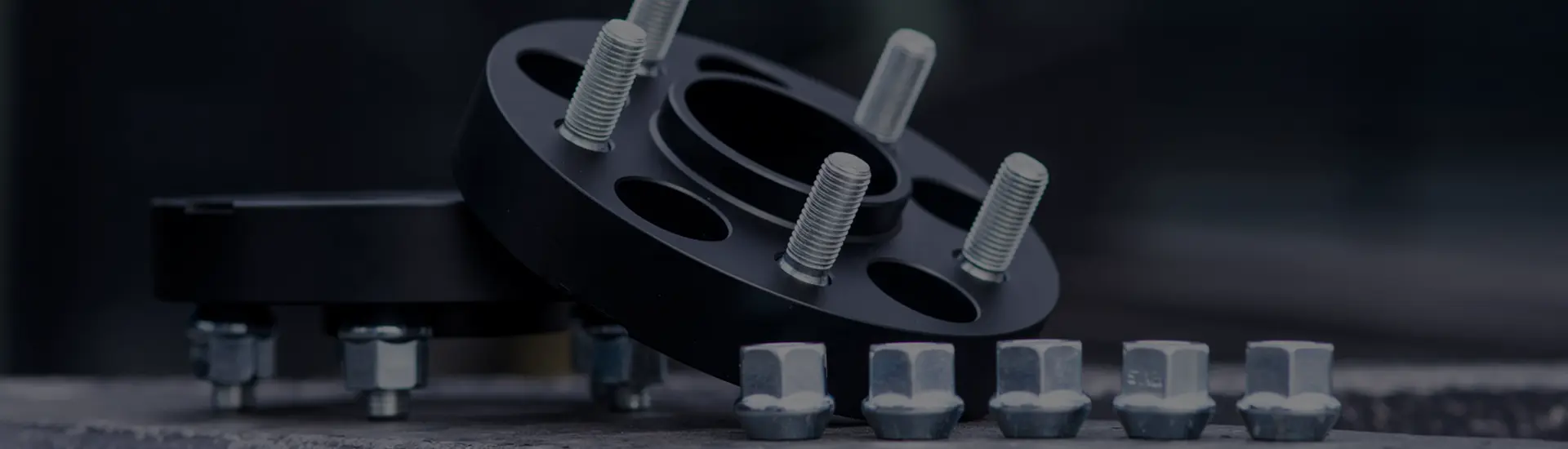
A hub centric wheel spacer is a forged aluminum ring. You sandwich it between the car's hub assembly and the back face of your wheel. Two things have to line up for it to count as "hub centric":
The inner bore of the spacer has to match the diameter of your vehicle's hub flange — the round metal stub sticking out from the brake rotor. And the outer lip on the spacer's wheel-side face has to match the center bore of your wheel.
When both align, everything stacks coaxially. Hub centers the spacer. Spacer centers the wheel. The studs or bolts only do clamping work — they don't carry shear load.
This is the part most buyers miss. On a proper hub centric setup, the studs aren't load-bearing in the shear direction. The hub flange and the spacer bore are. That's why people in the industry call hub centric the "OEM-equivalent" option.
What All Those Numbers Mean
Pull up any spacer product page — say, our PCD 5x100 CB57.1 Wheel Spacer Adapter — and you'll see specs that look like alphabet soup. Quick decoder:
- PCD is pitch circle diameter. "5x100" means 5 lug holes on a 100mm circle.
- CB is center bore. "CB57.1" means a 57.1mm center hole. (That size happens to fit a lot of VW and Audi hubs, in case you were wondering.)
- Thickness is how far the wheel gets pushed outward. Usually in mm. Sometimes inches.
- Stud/bolt thread spec — like M12x1.5 or M14x1.5 — has to match what your car uses.
Get any one of those wrong and the spacer either won't fit at all, or it'll fit loose. Loose is worse. Loose is how vibration starts and how studs fatigue.
How Hub Centric Wheel Spacers Actually Work
I'll skip the textbook stuff.
When you torque a wheel down, what you're really doing is clamping two flat surfaces hard enough that they behave as one rigid piece. Friction between those surfaces holds the wheel on. The bolts just supply clamping force. That's it.
Now think about your wheel at 70 mph. It's spinning around 800 RPM. Even a half-millimeter of offset between the wheel's center and the hub's center turns into a noticeable shimmy in the steering wheel. A hub centric spacer kills that offset by piloting the wheel directly onto the hub flange. Same way the factory designed it.
A lug centric spacer works differently. It uses the cone-shaped seats on each lug bolt to "find" center while you tighten the bolts in a star pattern. Works in theory. In practice? Not always. If one seat is a little worn, or the torque sequence is off, the wheel can sit slightly off-center. Doesn't take much to feel it.
Hub Centric vs Lug Centric: Just Tell Me Which One
This is hands-down the most common question we get. Straight answer:
| Hub Centric | Lug Centric | |
|---|---|---|
| Centering | Hub flange | Lug bolt cone seats |
| Highway vibration | None, when sized right | Possible |
| Load path | Through the hub | Through the studs |
| OEM-equivalent? | Yes | No |
| Best use case | Daily driving, performance, SUVs | Light show use only |
| Price difference | ~$5–$15 more per pair | Cheaper |
Hub centric. Almost every time. The price gap is small. The peace-of-mind gap is huge.
If you want the longer technical breakdown, we wrote it here: Hub-Centric vs Lug-Centric Wheel Spacers: The 2026 Buyer's Guide.
Why People Actually Buy Them
Forget the marketing copy. Here's what customers actually tell us — ranked by frequency on our sales calls:
The stance thing. Easily #1. A 15mm or 20mm spacer brings the wheel flush with the fender lip. Lowered cars especially. It just looks better.
Brake clearance. Going to Brembo or Wilwood big brakes? You'll probably need 5–10mm behind the spoke. Spacers solve it without buying new wheels.
Killing vibration. Counterintuitive, I know. But if your wheels have the wrong center bore for your hub, swapping to hub centric spacers can actually remove a shimmy you've been ignoring.
Better handling. Wider track = more lever arm in the suspension geometry. Less body roll. More grip in corners. Track-day guys know this already.
Bad offset on used wheels. Bought a sweet set of used rims and then realized the offset is too aggressive? Spacers push them back out where they should be. Saves you from reselling.
Are These Things Safe?
Yes. With qualifications.
A spacer is a structural part. It sits in the same load path as your hub. So three things have to be right.
Material. Cheap spacers are cast aluminum. Cast has internal porosity — tiny voids you can't see — and the strength varies batch to batch. The good ones are forged from 6061-T6 or 7075-T6 aircraft-grade aluminum. 7075-T6 has roughly double the tensile strength of standard 6061. We use it for heavier applications (trucks, SUVs, towing). All our parts pass SGS and TÜV certification — non-negotiable if you want to sell into Germany.
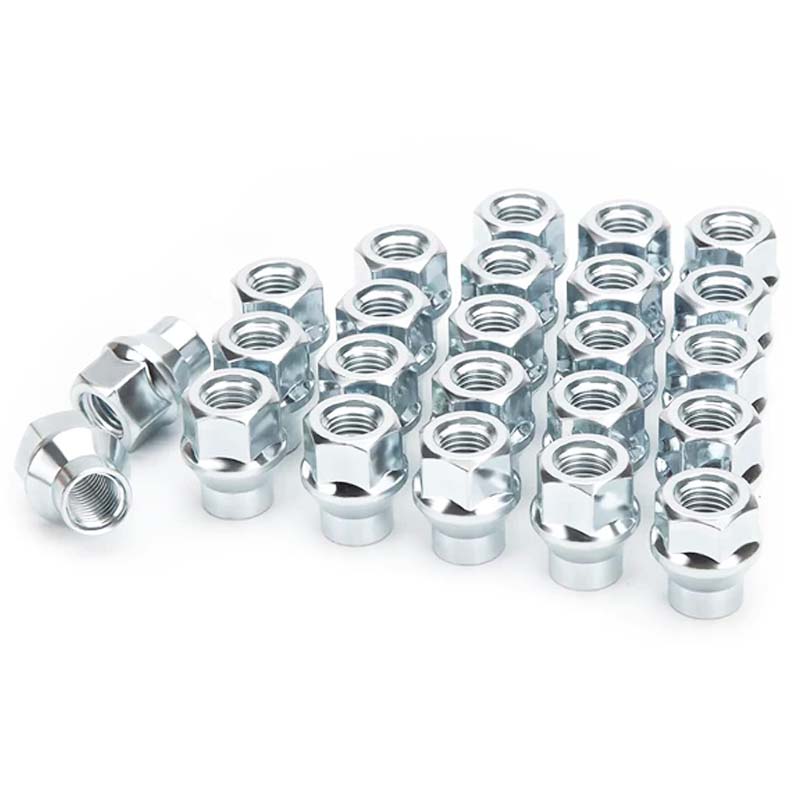
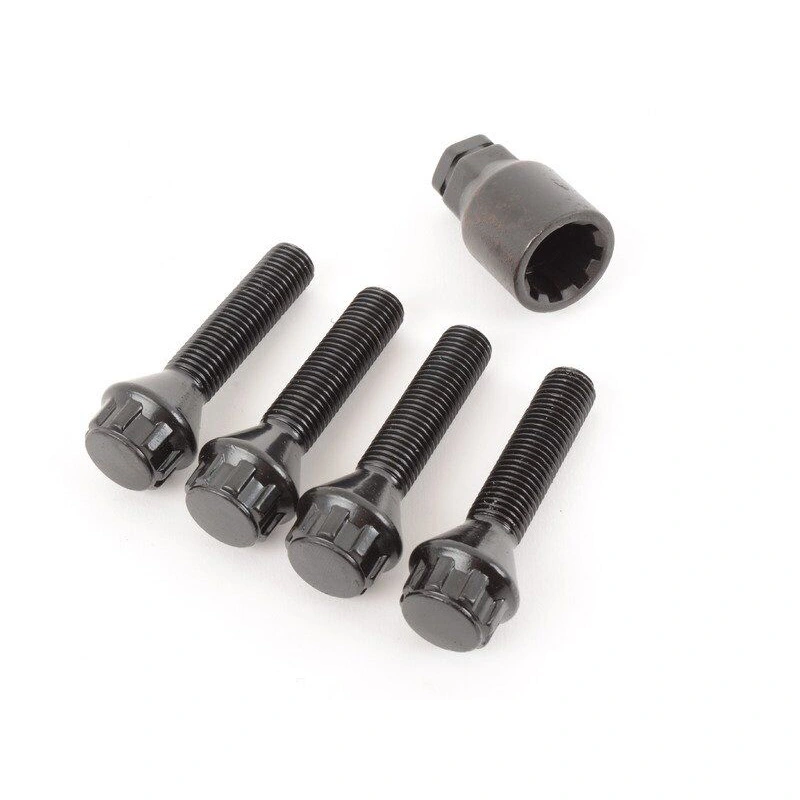
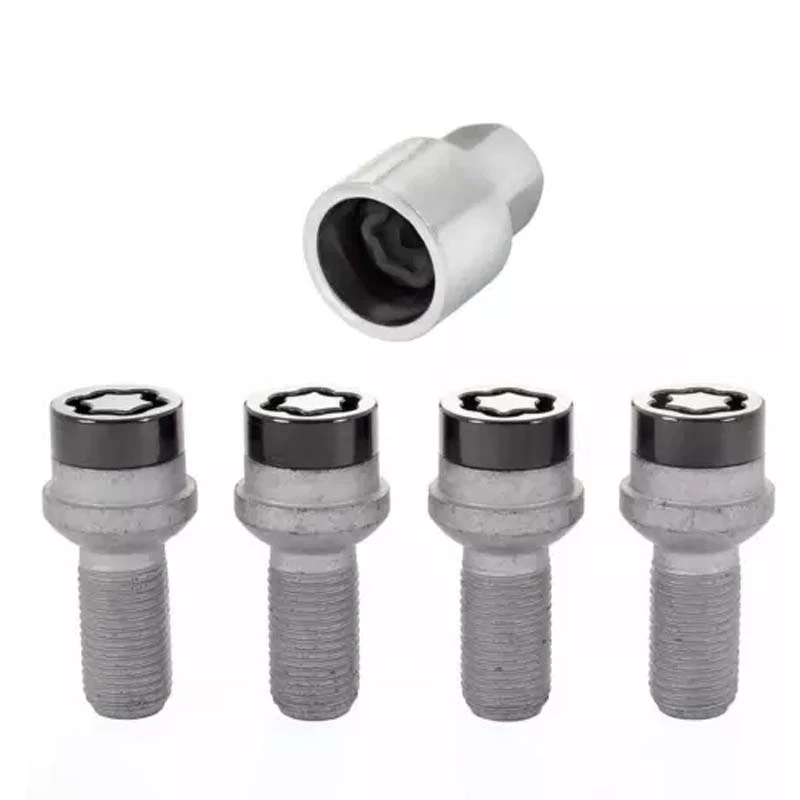
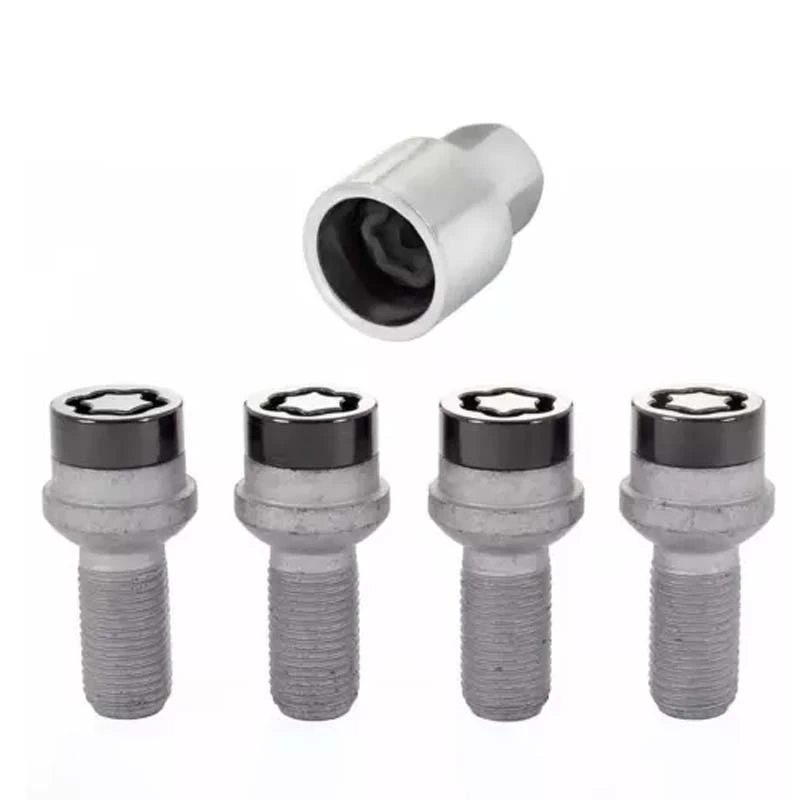
Stud engagement. Rule of thumb (also in SAE guidance): the lug bolt has to engage the threads by at least the diameter of the bolt. For M12, that's 12mm minimum. If your spacer is 20mm thick, you're going to need extended studs or longer bolts. We sell matching M12x1.5 wheel lug bolts and M14x1.5 lug bolts for exactly this reason.
Torque. Calibrated torque wrench. Star pattern. Re-torque after 50–100 miles. Every spacer-related accident we've heard about traced back to under-torqued bolts, not defective parts. It's almost always the human.
There's a longer safety writeup from our engineering side here: Are Wheel Spacers Safe? A Manufacturer's Honest Guide.
Types of Hub Centric Wheel Spacers
Not all hub centric spacers are the same animal. Here's how we sort them.
By mounting style. Slip-on slides over your existing studs. Thin profile — usually 3 to 12mm. Best for cars that came with long studs from the factory. Bolt-on style mounts to the hub with its own bolts and has new studs pressed into the spacer for the wheel to mount on. Stronger. Safer for anything 15mm+ and basically required for trucks and SUVs.
By lug pattern. Browse by what fits your car:
- 4-Hole Hub Centric Spacers — compact cars, hatchbacks
- 5-Hole Hub Centric Spacers — most sedans, SUVs, the majority of passenger cars
- Universal Hub Centric Spacers — multi-fitment, popular with shops keeping inventory
By material. 6061-T6 for daily drivers. 7075-T6 for trucks, performance, anything heavy. Steel for dually trucks and serious hauling.
By thickness. Quick guide:
| Thickness | Typical use |
|---|---|
| 3–10mm | Cosmetic, flush fitment |
| 12–20mm | Brake clearance, mild stance |
| 25–30mm | Aggressive stance, wider track |
| 30mm+ | Off-road, big brake conversions, dually |
How to Pick the Right Spacer (5 Steps)
This is the same checklist we walk B2B customers through every week.
- Find your PCD. Look it up on wheel-size.com, or measure stud center-to-center. The usual suspects: 4x100, 5x100, 5x10⁸, 5x112, 5x114.3, 5x120, 6x139.7.
- Find your hub bore (CB). Diameter of the hub flange, in mm. Common sizes: 54.1, 57.1, 60.1, 63.4, 66.1, 67.1, 71.5, 87.1, 95.1.
- Pick thickness. Most people overshoot here. If you're not sure how much you actually need, start at 15mm.
- Confirm thread pitch. Check your existing lug nuts or bolts. M12x1.5 and M14x1.5 cover most European cars. M12x1.25 is Japanese. 1/2-20 is American. Full thread spec range here: wheel lug nuts.
- Material and brand. This is where the EEAT thing actually matters. If a seller can't tell you whether their part is forged 6061-T6 or cast no-name aluminum, walk away. Period.
Want us to spec one for you? Send your year/make/model through the contact form. We usually reply within half a day.
Installation: Step by Step
Don't skip steps. Especially the re-torque.
- Park on level ground. Parking brake on. Chock the wheels you're not lifting.
- Crack the lug nuts loose before you jack the car — leverage is your friend.
- Jack up the car and put it on jack stands at the factory lift points. Hydraulic jacks fail. Stands don't.
- Pull the wheel off.
- Clean the hub face. Wire-brush off rust scale, old anti-seize, dirt. A dirty hub is the #1 reason spacers don't seat right.
- Slide the spacer onto the hub. Should seat flush. If there's any gap, stop — you've got a sizing issue.
- Bolt-on style: install the spacer's mounting bolts and torque to spec. Usually 70–90 ft-lbs for M12, 95–110 ft-lbs for M14.
- Mount the wheel on the spacer's new studs (or your original studs for slip-on).
- Hand-tighten the lug nuts. Then torque in a star pattern to factory spec.
- Drop the car back down and re-torque once more with weight on the wheels.
- Drive 50–100 miles. Re-torque again. This is the step everyone skips and the step that matters most. New parts settle on the first heat cycle and the torque drops.
Mistakes We See All the Time
In no particular order, the things that get people in trouble:
Confusing lug centric for hub centric. They look identical in photos. Always check the spec sheet for the CB measurement.
Using studs too short for the spacer thickness. Less than one bolt-diameter of thread engagement and you're rolling the dice.
Skipping the re-torque after 100 miles. Lug nuts always loosen a touch as new parts seat.
Stacking two thin spacers to get the thickness you need. Don't do this. Buy one spacer of the right thickness. Period.
Buying cast aluminum because it was $10 cheaper. Cast is brittle. Forged is grain-aligned and roughly 30–40% stronger. The savings aren't worth it.
Ignoring corrosion. If you're in a snow-belt state or anywhere they salt the roads, get anodized or coated parts.
Are Hub Centric Wheel Spacers Legal?
Jurisdiction-dependent. Don't take this as legal advice. Quick rundown:
United States. No federal DOT ban for passenger vehicles. Some states (California, for one) have inspection rules. But spacers themselves aren't illegal.
Canada. Generally fine. Varies a bit by province.
European Union. Need TÜV certification to be road-legal in Germany and several other countries. Our products carry it — ask for the certificate when you order.
United Kingdom. Legal. Just has to pass MOT with no fender protrusion.
Australia. Varies by state. Some require engineering certification above a certain thickness.
When in doubt, check with your local inspection authority before installing. Cheaper than a ticket.
FAQ
Do hub centric spacers cause vibration?
No — when sized right, they kill vibration. Vibration usually comes from a non-hub centric spacer or an out-of-balance wheel/tire combo.
How long do hub centric wheel spacers last?
A quality forged 6061-T6 or 7075-T6 spacer outlasts the vehicle if you install it properly. We've had customer feedback on parts still running after 10+ years.
Can I stack two hub centric spacers together?
No. Buy one spacer of the correct thickness. Stacking introduces extra interfaces that can shift under load.
Do I need longer wheel studs?
If your spacer is thicker than about 10mm, almost always yes. We supply matching wheel lug bolts in M12x1.5, M12x1.25, and M14x1.5 specifically for spacer use.
Will spacers void my warranty?
Powertrain warranty? Usually no. Suspension or wheel bearing warranty? Possibly — talk to your dealer first. In the US, the Magnuson-Moss Warranty Act protects you from blanket denials, but in practice it varies a lot.
Are 1-inch or 2-inch spacers safe?
Yes, when they're bolt-on style with their own studs, forged from quality aluminum, and installed with proper engagement. Thin slip-on spacers over 12mm thick are not recommended — original studs don't have enough thread left.
Spacer or hub centric ring — which do I need?
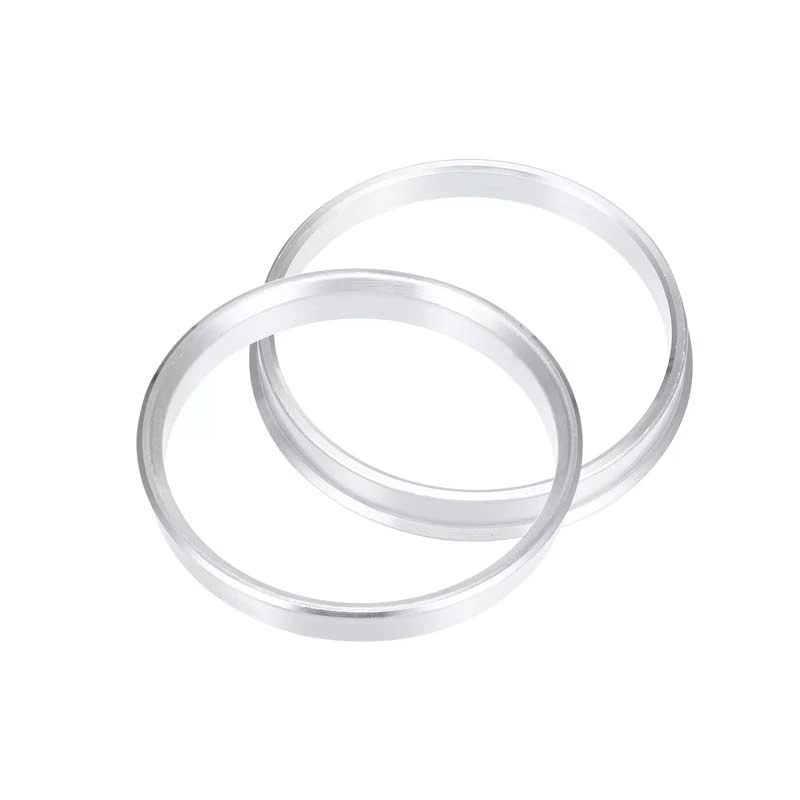
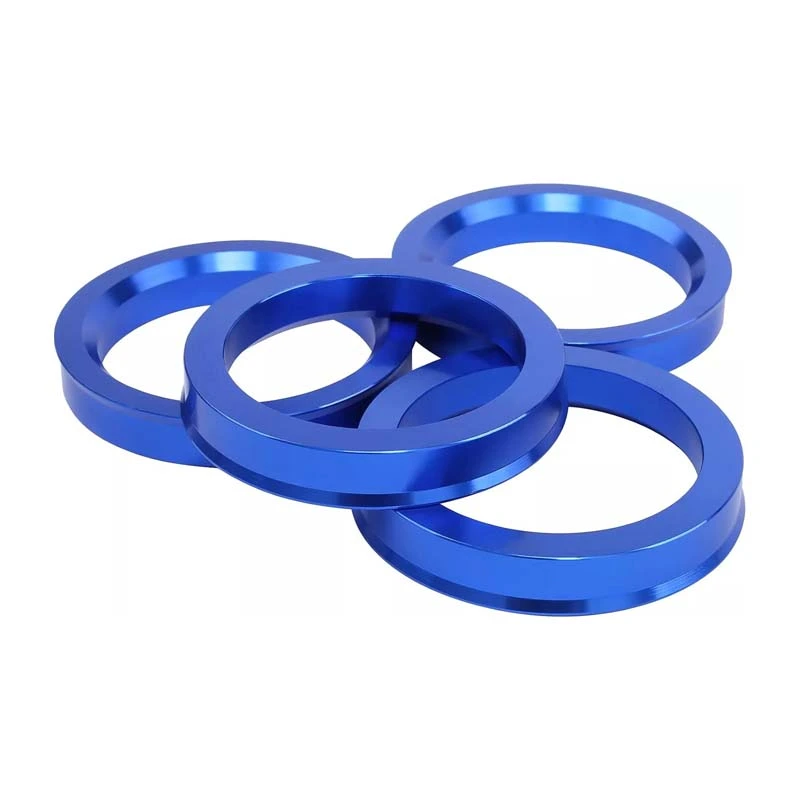
Different parts. A hub centric ring is just a sleeve that adapts an oversized wheel bore to your hub. Doesn't widen the track. A spacer pushes the wheel outward. Some people need both.
When to Pull the Trigger
If you're running aftermarket wheels, doing a big brake upgrade, or just want a cleaner stance — hub centric wheel spacers are the cleanest way to do it. OEM-grade fitment, no compromises.
Two things matter most. Buy from a manufacturer you can verify. And install them properly. Nail both and a good set of spacers will be the most quietly competent upgrade on the car.
At J&W Auto Parts we forge every spacer in our own Ningbo facility. SGS and TÜV certified. If you're a distributor, tuning shop, or e-commerce seller looking to source hub centric spacers in bulk, we offer custom PCD, center bore, and thickness with MOQ as low as 100 pairs.